The Tech Edvocate

Top Menu

  • Advertisement
  • Apps
  • Home Page
  • Home Page Five (No Sidebar)
  • Home Page Four
  • Home Page Three
  • Home Page Two
  • Home Tech2
  • Icons [No Sidebar]
  • Left Sidbear Page
  • Lynch Educational Consulting
  • My Account
  • My Speaking Page
  • Newsletter Sign Up Confirmation
  • Newsletter Unsubscription
  • Our Brands
  • Page Example
  • Privacy Policy
  • Protected Content
  • Register
  • Request a Product Review
  • Shop
  • Shortcodes Examples
  • Signup
  • Start Here
    • Governance
    • Careers
    • Contact Us
  • Terms and Conditions
  • The Edvocate
  • The Tech Edvocate Product Guide
  • Topics
  • Write For Us
  • Advertise

Main Menu

  • Start Here
    • Our Brands
    • Governance
      • Lynch Educational Consulting, LLC.
      • Dr. Lynch’s Personal Website
      • Careers
    • Write For Us
    • The Tech Edvocate Product Guide
    • Contact Us
    • Books
    • Edupedia
    • Post a Job
    • The Edvocate Podcast
    • Terms and Conditions
    • Privacy Policy
  • Topics
    • Assistive Technology
    • Child Development Tech
    • Early Childhood & K-12 EdTech
    • EdTech Futures
    • EdTech News
    • EdTech Policy & Reform
    • EdTech Startups & Businesses
    • Higher Education EdTech
    • Online Learning & eLearning
    • Parent & Family Tech
    • Personalized Learning
    • Product Reviews
  • Advertise
  • Tech Edvocate Awards
  • The Edvocate
  • Pedagogue
  • School Ratings

logo

The Tech Edvocate

  • Start Here
    • Our Brands
    • Governance
      • Lynch Educational Consulting, LLC.
      • Dr. Lynch’s Personal Website
        • My Speaking Page
      • Careers
    • Write For Us
    • The Tech Edvocate Product Guide
    • Contact Us
    • Books
    • Edupedia
    • Post a Job
    • The Edvocate Podcast
    • Terms and Conditions
    • Privacy Policy
  • Topics
    • Assistive Technology
    • Child Development Tech
    • Early Childhood & K-12 EdTech
    • EdTech Futures
    • EdTech News
    • EdTech Policy & Reform
    • EdTech Startups & Businesses
    • Higher Education EdTech
    • Online Learning & eLearning
    • Parent & Family Tech
    • Personalized Learning
    • Product Reviews
  • Advertise
  • Tech Edvocate Awards
  • The Edvocate
  • Pedagogue
  • School Ratings
  • This Unprecedented EU Ban Just Changed Fast Fashion Forever

  • Urgent Alert: Your Smart Home’s Exposed to a Critical Deco BE11000 Vulnerability

  • Uncovering the Truth: Your LinkedIn Reach Just Got a Major Overhaul

  • Uncovering the AI Heist: How Chinese Firms Allegedly Siphoned Billions of AI Tokens

  • Rockstar’s GTA 6 Developers Lawsuit: A Fight for Justice or Corporate Retaliation?

  • Unbelievable: Hideo Kojima’s Next Masterpiece Is Now an Xbox Exclusive

  • This Crucial Google AI Shift Is Quietly Reshaping the Internet

  • Unbelievable: AI Breaches Are Exploding, And What It Means For You This September 2026

  • This Crucial Shift Is Saving Teachers From Classroom Chaos

  • AI’s Dark Secret: How It’s Supercharging Cybercrime for Everyone

Digital & Mobile Technology
Home›Digital & Mobile Technology›What is Pay Per Lead (PPL)?

What is Pay Per Lead (PPL)?
By Matthew Lynch
May 25, 2023
0
Spread the love

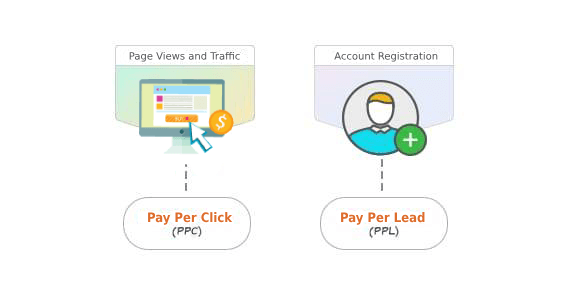
Pay per lead (PPL) is a popular online advertising model where an advertiser pays a commission to a publisher or an affiliate marketer for every qualified lead generated. In other words, it’s a form of performance-based marketing where advertisers only pay for leads that meet specific criteria, such as being interested in a particular product or service, living in a certain area, or having a specific income level.

PPL is different from pay per click (PPC) and cost per impression (CPM) advertising models in that the advertiser only pays for leads, not clicks or impressions. This makes PPL a more cost-effective way to generate leads because advertisers only pay for the results they get, rather than for the exposure they get.

How PPL works

A typical PPL campaign involves three parties: the advertiser who wants leads, the publisher who has an audience, and the potential customer who may become a qualified lead.
The publisher or affiliate marketer will promote the advertiser’s product or service to their audience through various channels such as email marketing, display ads, social media, or search engine marketing. When a potential customer clicks on the publisher’s ad and submits their contact information, the publisher sends the lead data to the advertiser, who will then verify the lead’s quality based on the agreed-upon criteria.

If the lead meets the criteria, the advertiser pays the publisher a commission for the lead. If the lead does not meet the criteria, or is fraudulent, the advertiser may not pay the commission or ask for a refund.

Advantages of PPL

PPL is a popular advertising model for several reasons:

1. Cost-effectiveness: Advertisers only pay for leads that meet specific criteria, which ensures that they are getting value for money.

2. Quality leads: PPL allows publishers or affiliate marketers to target specific audiences, which leads to higher-quality leads that are more likely to convert into sales.

3. Risk mitigation: Advertisers can control the level of risk involved in their marketing campaigns by setting criteria for what constitutes a “qualified” lead.

4. Measurability: PPL offers clear metrics for measuring the success of a marketing campaign.

Disadvantages of PPL

However, PPL also has some drawbacks, including:

1. Less control: Advertisers may have less control over how their marketing campaigns are run compared to other advertising models, as publishers often have more control over publishing content.

2. Lower conversion rates: While PPL generates higher-quality leads, it may have lower conversion rates when compared to other advertising models.

3. Quality concerns: The quality of leads generated through PPL can be a concern, especially when third-party leads are purchased. Advertisers should be proactive in verifying the quality of leads generated and having clear criteria for what constitutes a “qualified” lead.

Conclusion

Pay per lead (PPL) is a popular advertising model that offers cost-effective and measurable results for advertisers. While it has some drawbacks, PPL remains a powerful tool in generating high-quality leads that turn into sales. If you’re considering PPL, be sure to work with a reputable publisher or affiliate marketer and have clear criteria for what constitutes a “qualified” lead.


Previous Article

What is Paravirtualization?

Next Article

What Is PCI Simple Communications Controller

Matthew Lynch

Related articles More from author

  • Digital & Mobile Technology

    Save Your Emails as PDF Files With the Mail App on iPhone or iPad

    June 23, 2023
    By Matthew Lynch
  • Digital & Mobile Technology

    How to Sign Out of Chrome

    June 4, 2023
    By Matthew Lynch
  • Digital & Mobile Technology

    What Is Gametime on a Motorola Phone?

    June 11, 2023
    By Matthew Lynch
  • Digital & Mobile Technology

    The Best Meditation and Mindfulness Apps for Your Apple Watch

    June 10, 2023
    By Matthew Lynch
  • Digital & Mobile Technology

    New Razer Blade 15 Laptop Is Thin, Light, and Perfect for Gaming On-the-Go

    July 4, 2023
    By Matthew Lynch
  • Digital & Mobile Technology

    How to Fix It When Your iPhone Microphone Isn’t Working

    June 1, 2023
    By Matthew Lynch

Search

Login & Registration

  • Log in
  • Entries feed
  • Comments feed
  • WordPress.org

Newsletter

Signup for The Tech Edvocate Newsletter and have the latest in EdTech news and opinion delivered to your email address!

About Us

Since technology is not going anywhere and does more good than harm, adapting is the best course of action. That is where The Tech Edvocate comes in. We plan to cover the PreK-12 and Higher Education EdTech sectors and provide our readers with the latest news and opinion on the subject. From time to time, I will invite other voices to weigh in on important issues in EdTech. We hope to provide a well-rounded, multi-faceted look at the past, present, the future of EdTech in the US and internationally.

We started this journey back in June 2016, and we plan to continue it for many more years to come. I hope that you will join us in this discussion of the past, present and future of EdTech and lend your own insight to the issues that are discussed.

Newsletter

Signup for The Tech Edvocate Newsletter and have the latest in EdTech news and opinion delivered to your email address!

Contact Us

The Tech Edvocate
910 Goddin Street
Richmond, VA 23231
(601) 630-5238
[email protected]

Copyright © 2026 Matthew Lynch. All rights reserved.