How to paddle kayak
“`html
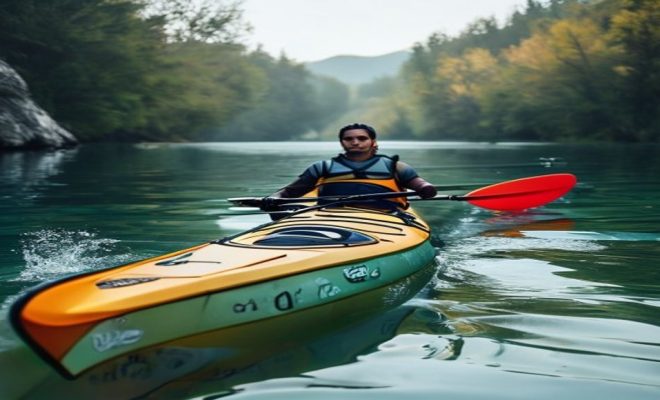
Kayaking is more than just a fun outdoor sport; it’s a blend of adventure, physical exercise, and a way to connect with nature. Whether you’re gliding across tranquil lakes or navigating through rushing rivers, knowing how to paddle a kayak is essential for both beginners and seasoned paddlers alike. This comprehensive guide will cover everything from the basic techniques to advanced tips that can transform your paddling experience.
1. The Basics of Kayaking
Before diving into the nitty-gritty of how to paddle a kayak, it’s crucial to understand what kayaking entails. At its core, kayaking involves propelling a small boat using a double-bladed paddle. The design of the kayak allows for easy maneuverability, making it suitable for various water conditions.
Kayaks come in different shapes and sizes, each tailored for specific purposes, such as touring, racing, or fishing. Knowing your kayak type can greatly influence how you paddle. For instance, touring kayaks are usually longer and narrower, which aids in straight-line speed, while recreational kayaks are wider and more stable, making them easier to handle for beginners.
2. Choosing the Right Equipment
To learn how to paddle a kayak effectively, you’ll need the right equipment. This includes not just the kayak and paddle but also safety gear. Here’s what you should consider:
- Kayak: Choose a kayak that matches your skill level and intended use. For beginners, a recreational kayak is often the best choice.
- Paddle: The right paddle length is crucial. Generally, paddles should be about 6 to 8 inches taller than the paddler while seated.
- Personal Flotation Device (PFD): A life jacket is non-negotiable. Make sure it fits well and is comfortable to wear.
- Other Gear: Depending on your trip, you might also want to consider a spray skirt, dry bags, and a whistle for safety.
Investing in quality equipment can make a significant difference in your paddling experience and safety.
3. Understanding Paddle Techniques
Once you have your gear ready, it’s time to focus on how to paddle a kayak effectively. The first thing to master is your paddle technique. It’s not just about using your arms; you need to engage your core and legs for effective paddling. Here are some key techniques:
- Draw Stroke: This technique is used to move your kayak sideways without turning. To perform it, lean slightly forward, extend your paddle out to the side, and pull the water towards you.
- Forward Stroke: This is the most common stroke. Keep your paddle vertical, and pull it through the water in a straight line. Rotate your torso to engage your core, which makes the stroke more powerful.
- Reverse Stroke: This stroke is essential for slowing down or moving backwards. Simply reverse your forward stroke to push the kayak backwards.
Practice these techniques in calm water before heading out to more challenging conditions.
4. The Importance of Posture
While learning how to paddle a kayak, one aspect that’s often overlooked is proper posture. Your sitting position can greatly influence both your comfort and paddling efficiency. Here are a few tips for maintaining good posture:
- Sit Up Straight: Keep your back straight and your shoulders relaxed. A straight back enhances your paddling power and reduces fatigue.
- Feet Position: Use the footrests to maintain stability. Your feet should be firmly positioned against the footrests, which helps you control the kayak better.
- Engage Your Core: Instead of relying solely on your arms, engage your core muscles to provide power during each stroke.
Posture not only impacts your paddling efficiency but also minimizes the risk of injury, making it crucial to focus on how you sit while kayaking.
5. Paddling in Different Conditions
Understanding how to paddle a kayak effectively involves adapting your techniques to various water conditions. Whether you’re facing calm lakes, choppy rivers, or ocean waves, you’ll need to adjust your approach. Here’s what to keep in mind:
- Calm Water: In calm conditions, focus on maintaining a steady rhythm. Utilize longer strokes to maintain speed.
- Choppy Water: In wavy conditions, lower your center of gravity by bending your knees and keeping your paddle lower in the water for stability.
- Strong Currents: When paddling upstream, use shorter strokes and angle your paddle slightly to help cut through the water.
Always assess the conditions before heading out and adjust your techniques accordingly to ensure a safe paddling experience.
6. Safety First: Essential Kayaking Tips
While paddling can be an exhilarating experience, safety should always be your top priority. Here are some crucial tips on how to paddle a kayak safely:
- Wear a PFD: Always wear your life jacket. Even if you’re a strong swimmer, a PFD is vital in emergencies.
- Stay Informed: Before heading out, check the weather and water conditions. Avoid paddling in storms or strong winds.
- Buddy System: Never kayak alone. Always paddle with a friend or at least inform someone about your plans.
- Know Your Limits: Understand your skill level and choose routes that match your experience. Pushing beyond your limits can lead to accidents.
By following these safety measures, you can enjoy your kayaking adventures with peace of mind.
7. Environmental Awareness in Kayaking
As a paddler, you’re often in close contact with nature. It’s essential to be environmentally conscious while out on the water. Here’s how you can minimize your impact: (See: Overview of kayaking techniques.)
- Leave No Trace: Always clean up after yourself. Pack out whatever you bring in, including trash and food waste.
- Respect Wildlife: Observe animals from a distance. Avoid disturbing their habitats, especially during nesting seasons.
- Stay on Established Paths: Stick to designated paddling routes to help preserve sensitive ecosystems.
Being kind to the environment ensures that future generations can also enjoy the beauty of kayaking and nature.
8. Advanced Techniques for Skilled Paddlers
Once you’ve mastered the basics of how to paddle a kayak, it’s time to explore advanced techniques that can enhance your skills. Here are some to consider:
- Stroke Variations: Experiment with different stroke techniques, such as the C-stroke for turning more efficiently.
- Rolling Techniques: Learning to roll your kayak can be a lifesaver. It allows you to right your kayak after capsizing without having to exit the boat.
- Edging: By leaning to one side, you can turn your kayak more effectively and navigate through tight spaces.
These advanced techniques require practice but can significantly improve your overall kayaking experience.
9. Join a Kayaking Community
One way to enhance your kayaking skills and meet like-minded individuals is by joining a kayaking community. Here are some benefits of engaging with fellow paddlers:
- Shared Knowledge: Learning from experienced kayakers can help you understand new techniques and safety measures.
- Group Activities: Many communities organize group paddles, which can be a fun way to explore new waterways.
- Conservation Efforts: Be part of initiatives that promote clean water and conservation efforts in your local area.
Being a part of a community not only enhances your skills but also fosters a sense of belonging and responsibility towards the environment.
10. Your Next Steps in Kayaking
Now that you have a comprehensive understanding of how to paddle a kayak, it’s time to put those skills into action. Here are some steps to consider for your kayaking journey:
- Take a Class: Consider enrolling in a kayaking class to further enhance your skills and gain confidence on the water.
- Plan Your Trips: Start by kayaking local lakes and rivers to get familiar with your gear and techniques.
- Stay Informed: Continuously educate yourself about water safety, environmental issues, and kayaking techniques through books, videos, or online forums.
Ultimately, the world of kayaking awaits you. With practice, knowledge, and a sense of adventure, you can become an expert paddler and enjoy everything this exhilarating sport has to offer.
11. Popular Kayaking Destinations
Choosing where to paddle can significantly enhance your kayaking experience. Here are some popular kayaking destinations worth considering:
- Lake Tahoe, California/Nevada: Known for its stunning clarity and breathtaking scenery, Lake Tahoe offers calm waters suitable for all skill levels.
- Everglades National Park, Florida: Explore the unique ecosystem of the Everglades. Paddling through mangroves and spotting wildlife like alligators and manatees makes for an unforgettable adventure.
- Clear Lake, Oregon: This lake is famous for its clear waters and beautiful backdrop, making it a perfect spot for both kayaking and photography.
- The Boundary Waters Canoe Area, Minnesota: This vast network of lakes and rivers provides endless opportunities for exploration and adventure.
Researching local conditions, regulations, and available services can help you select the best destination for your kayaking trip.
12. Kayaking Tips for Different Skill Levels
Regardless of where you are in your kayaking journey, knowing how to paddle a kayak effectively can differ significantly based on skill level. Here are tailored tips for beginners, intermediates, and advanced paddlers:
Beginners:
- Start with a stable kayak designed for beginners to build confidence.
- Practice basic strokes in calm water before advancing to rivers or waves.
- Take lessons to learn about safety and essential paddling techniques.
Intermediate:
- Work on improving your efficiency by refining your strokes and posture.
- Begin to explore different types of water conditions and practice adapting your techniques.
- Consider investing in a more specialized kayak based on your interests (e.g., sea kayaking, whitewater).
Advanced:
- Focus on mastering advanced techniques like rolling and edging to improve your agility.
- Challenge yourself by navigating through more difficult water conditions and practicing rescue techniques.
- Participate in races or long-distance paddling events to elevate your skills further.
13. Kayak Maintenance and Care
Proper maintenance of your kayak ensures it remains in great condition and extends its lifespan. Here are some important tips for kayak care:
- Cleaning: Rinse your kayak with fresh water after each trip to remove salt, dirt, or debris, especially if you’ve been in saltwater.
- Storage: Store your kayak out of direct sunlight and in a cool, dry place. Consider using a kayak rack or hanging it to prevent deformities.
- Regular Inspections: Check for any signs of wear or damage regularly, such as cracks or leaks, and repair them promptly to ensure safety.
By taking care of your kayak, you can ensure enjoyable and safe paddling experiences for years to come.
14. Getting Involved in Kayaking Events
Participating in kayaking events is a fantastic way to enhance your skills, meet new friends, and contribute to the kayaking community. Consider getting involved in:
- Kayak Races: Many regions host local races that cater to various skill levels. It’s a great way to challenge yourself and meet fellow enthusiasts.
- Clean-Up Initiatives: Join or organize local clean-up events to help maintain waterways and raise awareness about environmental issues.
- Workshops and Clinics: Look for workshops that focus on specific skills, such as rescue techniques, navigation, or advanced paddling methods.
These events not only improve your kayaking skills but also deepen your connection to the kayaking community and the environment.
15. Frequently Asked Questions
What’s the best way to get started with kayaking?
Start with a beginner-friendly kayak, consider taking a lesson, and practice basic strokes in calm waters to build your confidence.
How do I choose the right kayak for my needs? (See: National Park Service kayaking resources.)
Consider your intended use (recreational, touring, or fishing), your skill level, and the water conditions you’ll be paddling in. Test several kayaks if possible before making a decision.
Is kayaking safe?
Yes, kayaking can be safe as long as you wear a PFD, stay informed about weather conditions, and paddle within your skill level. Practicing proper techniques also enhances your safety.
How often should I clean and maintain my kayak?
Clean your kayak after each use, especially after being in saltwater. Regularly inspect it for damage and store it properly to prolong its life.
Can I kayak alone?
While it’s possible to kayak alone, it’s generally safer to paddle with a buddy, especially in unfamiliar or challenging waters. Always let someone know your plans if you do go out solo.
What should I pack for a day of kayaking?
Essentials include water, snacks, sunscreen, a first-aid kit, a map of the area, and anything necessary for your personal safety and comfort, like an extra layer of clothing.
How do I improve my paddling speed?
To increase your paddling speed, focus on refining your stroke technique, maintaining a consistent rhythm, and engaging your core effectively. Consider also practicing interval training where you paddle at a higher intensity for short bursts.
What are common mistakes to avoid when kayaking?
Some common mistakes include poor posture, overusing your arms instead of engaging your core, and failing to adjust your techniques according to water conditions. Always prioritize safety and be aware of your surroundings.
By understanding these aspects of kayaking, you’re not only preparing to paddle effectively but also to enjoy the journey that comes with it. Happy paddling! (See: CDC guidelines on water safety.)
16. Kayak Paddling Techniques by Water Type
Understanding how to paddle a kayak effectively includes knowing how to adjust your techniques based on the type of water you’re navigating. Here’s a breakdown of techniques for different water types:
Still Water:
Paddling on lakes or slow-moving rivers is relatively straightforward. Focus on the forward stroke for propulsion and maintain a steady rhythm. Keep your paddle blades fully submerged to maximize efficiency. Try to maintain a straight line by occasionally checking your kayak’s direction.
Moving Water:
When paddling in rivers with current, use your body position to your advantage. Keep your weight centered and anticipate changes in the current. Use short, quick strokes when moving upstream, while longer strokes are beneficial for going downstream. Always look for eddies and use them for resting and navigating around obstacles.
Ocean Kayaking:
In ocean waters, factors like tides, wind, and waves can greatly impact your paddling experience. Stay low in your kayak for stability and use a technique called the ‘sweep stroke’ to turn and steer in choppy conditions. Always be aware of incoming waves and practice your bracing techniques to prevent capsizing.
Whitewater Kayaking:
This is the most challenging type of kayaking and requires specific techniques. You’ll need to master strokes like the ‘draw stroke’ and ‘cross-bow draw’ to navigate through rough waters. Keep your knees tight against the cockpit to stabilize your kayak and learn how to read the river for safe passage.
17. Kayaking for Fitness
Did you know that kayaking can be an excellent workout? It’s not just about the thrill; it can also improve your strength, endurance, and flexibility. Here are some fitness benefits associated with kayaking:
- Upper Body Strength: Paddling works your shoulders, arms, and core muscles, leading to increased strength over time.
- Cardiovascular Health: Regular paddling sessions boost your heart rate, improving cardiovascular fitness and endurance.
- Stress Relief: Being on the water and engaging in physical activity has been shown to reduce stress and improve mental well-being.
- Caloric Burn: Depending on the intensity, kayaking can burn anywhere from 300 to 500 calories per hour, making it a fantastic way to stay fit while enjoying nature.
As you paddle, consider tracking your time and distance to set personal fitness goals and monitor your progress.
18. Kayaking and Mental Well-Being
Beyond physical fitness, kayaking has significant mental health benefits. The rhythmic motion of paddling can be meditative, allowing you to connect deeply with your surroundings and escape daily stresses. Spending time on the water promotes mindfulness and helps clear your mind.
Studies have shown that outdoor activities like kayaking can increase feelings of happiness and reduce symptoms of anxiety and depression. The combination of physical exertion and the tranquil environment of lakes or rivers creates a perfect setting for mental rejuvenation.
So, grab your kayak, set out on an adventure, and reap both the physical and mental benefits that come with paddling!
“`
Trending Now
Frequently Asked Questions
What do I need to start kayaking?
To start kayaking, you'll need a suitable kayak that matches your skill level, a double-bladed paddle, and essential safety gear like a Personal Flotation Device (PFD). Additional items such as a spray skirt, dry bags, and a whistle can enhance your kayaking experience and safety.
How do I choose the right kayak for me?
Choosing the right kayak depends on your skill level and intended use. Beginners often benefit from recreational kayaks, which are wider and more stable. For those looking for speed and distance, touring kayaks are a better fit due to their longer and narrower design.
What are the basic paddling techniques for kayaking?
Basic paddling techniques include proper grip on the paddle, using your core for power, and maintaining a balanced posture. Start with forward strokes for propulsion, and learn turning techniques like sweep strokes to navigate effectively in the water.
Is kayaking a good workout?
Yes, kayaking is an excellent workout that combines cardiovascular exercise with muscle strength. It engages your arms, shoulders, back, and core, providing a full-body workout while also allowing you to enjoy the beauty of nature.
What safety gear do I need for kayaking?
Essential safety gear for kayaking includes a properly fitting Personal Flotation Device (PFD), a whistle, and potentially a spray skirt and dry bags for gear protection. Always prioritize safety equipment to ensure a secure and enjoyable experience on the water.
Agree or disagree? Drop a comment and tell us what you think.