How to prevent blisters when running
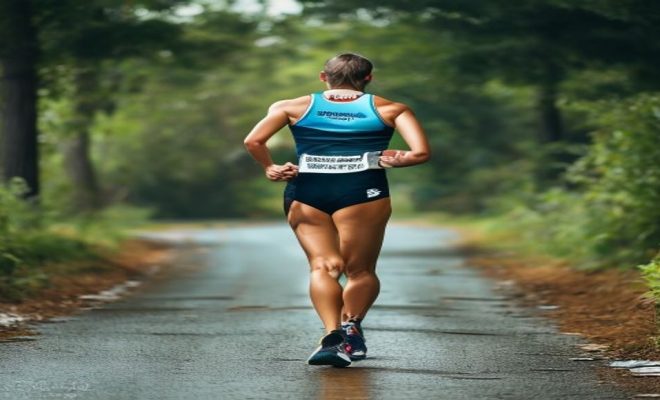
“`html
For avid runners, blisters can be a frustrating and painful reality, often sidelining even the most dedicated athletes. If you’ve ever found yourself wincing at every stride due to a nasty blister, you’re not alone. The good news is that there are effective ways to prevent blisters when running, allowing you to enjoy your runs without the discomfort. Let’s explore eight practical strategies that can help you keep blisters at bay.
1. Choose the Right Footwear
The foundation of blister prevention starts with your shoes. Selecting the right footwear is crucial not just for comfort but also for preventing blisters when running. Running shoes should fit well, allowing for about a thumb’s width between your longest toe and the front of the shoe. This ensures that your toes won’t jam during runs.
Additionally, consider the type of terrain you’ll be running on. Trail shoes often have more grip and additional features meant to handle uneven surfaces, while road shoes tend to be lighter and more cushioned for pavement. Pay attention to the width of your shoes as well; a snug fit can lead to friction and blisters. Don’t hesitate to visit a specialty running store where staff can help evaluate your foot type and gait.
Take the time to try on multiple pairs, and remember to wear the same type of socks you would use on your runs. Some brands even offer foot scanning technology to ensure you get the perfect fit. A good fit not only improves blister prevention but also enhances overall performance.
2. Wear Proper Socks
Your choice of socks can significantly impact blister prevention. Opt for moisture-wicking socks designed specifically for running. Cotton socks retain sweat, creating a damp environment that increases friction. In contrast, synthetic or merino wool materials help keep your feet dry and reduce the chance of blisters.
It’s also worth considering the thickness of your socks. Some runners prefer thin socks to reduce bulk, while others opt for thicker socks for additional cushioning. Experiment with different types until you find the perfect fit that minimizes blisters without compromising comfort. Make sure to replace your socks regularly, as worn-out socks can become less effective at moisture management.
Another option to explore is toe socks, which separate each toe and can minimize friction between them. These can be particularly helpful if you have a tendency to develop blisters between your toes. The right sock can make a world of difference, so don’t overlook this aspect of your gear.
3. Use Anti-Chafing Products
To prevent blisters when running, applying anti-chafing balms or creams can create a protective barrier between your skin and your shoes. Products like Body Glide or Vaseline can help reduce friction and keep your skin smooth. Focus on areas prone to blisters, such as heels, toes, and the sides of your feet.
Apply these products generously before your runs, and don’t be shy about reapplying during long runs. In addition to creams and balms, consider using blister prevention patches, which can provide extra cushioning and protection for areas that are particularly vulnerable. These patches can be a lifesaver for long-distance runners.
It’s also beneficial to maintain your skin’s overall health. Regularly moisturizing your feet can help keep the skin supple and less prone to blistering. Dry, cracked skin can be a breeding ground for blisters, so make this part of your routine.
4. Adjust Your Lacing Technique
The way you lace your shoes can affect how they fit and move with your feet. A too-tight lacing system can cause your foot to slide around within the shoe, increasing friction. Conversely, lacing too loosely can lead to excess movement and blisters. Experiment with different lacing techniques, such as the heel lock lacing method, which can help keep your heel secure and reduce movement.
Consider the following tips when lacing your shoes: when you lace up, ensure that your shoes are snug but not overly tight, and leave your toes enough room to wiggle. Additionally, if you notice specific areas on your foot that are prone to blisters, try adjusting your lacing to alleviate pressure on those spots. (See: Preventing Blisters in Athletes.)
Incorporating lock lacing techniques can also help if you have particularly narrow feet or a high arch. This technique secures the heel in place while allowing more comfort in the forefoot, which may prevent blisters from forming due to excessive movement. Don’t hesitate to experiment until you find the right balance that works for you.
5. Gradually Increase Your Mileage
One of the biggest mistakes runners make is increasing their mileage too quickly. Sudden changes in distance or intensity can lead to blisters as your feet adapt to the new demands. To prevent blisters when running, follow the 10% rule: increase your mileage by no more than 10% per week.
This gradual increase allows your skin to toughen up and adapt to the repeated friction of running. Additionally, ensure you’re giving your feet adequate rest and recovery time. Consider alternating between your running shoes to allow them to air out and reduce wear, which can contribute to blister formation.
Tracking your runs with a running app can help you monitor your mileage effectively and stay within safe limits. By keeping an eye on your progress, you can make informed decisions about when to increase your distance or intensity safely.
6. Keep Your Feet Dry
Moisture is one of the leading causes of blisters. Keeping your feet dry can significantly reduce the likelihood of encountering this painful issue. Consider using moisture-wicking insoles that can help absorb sweat and prevent it from accumulating within your shoes.
If you’re running in particularly wet conditions, waterproof footwear or gaiters may be beneficial. Additionally, carrying an extra pair of socks during long runs can be a smart strategy. If you start to feel dampness, take a quick break, change your socks, and start fresh to keep blisters at bay.
Utilizing foot powder can also be an excellent way to keep your feet dry during long runs. Look for powders that are specifically designed for athletes, as they can help absorb sweat and provide an extra layer of protection against friction.
7. Be Mindful of Your Running Surface
The surface on which you run can also play a role in blister formation. Softer surfaces like grass or dirt trails can be easier on your feet compared to hard, unforgiving asphalt. If you’ve been running primarily on hard surfaces and decide to switch to trails or softer paths, give your feet some time to adjust.
Exploring different terrains can provide relief from the constant pounding that comes from running on concrete, but remember that this transition can put a different kind of stress on your feet. Always be mindful of how different surfaces affect your feet and adjust your training accordingly.
Using softer surfaces occasionally can also enhance your foot strength and stability. Incorporate recovery runs on grass or dirt into your routine to give your feet a break and reduce the likelihood of blisters from repetitive stress.
8. Listen to Your Body
Finally, one of the most essential strategies to prevent blisters when running is simply to listen to your body. If you start to feel discomfort in your feet, don’t ignore it. A small hot spot can quickly turn into a blister if left unchecked. If you notice this, take a moment to assess your footwear, adjust lacing, or apply anti-chafing products.
It’s also helpful to check your feet regularly during long runs. If you feel any areas of increased friction, address them immediately, whether that means stopping to apply blister prevention products or adjusting your shoes. Remember, you’re in charge of your running experience, and taking preventive measures can make all the difference.
After your runs, take some time to inspect your feet for any signs of friction or irritation. This habit can help you catch potential issues before they become larger problems, ultimately keeping you healthy and blister-free.
9. Understanding Blister Formation
To effectively prevent blisters when running, it helps to understand how they form. Blisters develop as a result of repeated friction, heat, and moisture. When these elements combine, the outer layer of skin (the epidermis) can separate from the underlying tissue, creating a pocket of fluid. This development usually happens in areas where the skin rubs against your shoes or socks. (See: CDC Guidelines on Foot Health.)
Interestingly, the body has a natural response to blisters. The fluid inside serves as a cushion to protect the damaged skin, but since that can be painful, it’s best to prevent them in the first place. Paying attention to how your shoes fit, how much you sweat, and how well your skin holds up under stress will inform your preventative measures.
In addition, understanding skin vulnerability can guide your preventive measures. Areas like the heels and toes are typically more susceptible to blisters due to their consistent contact with shoes. Knowing this, you can focus more on protecting those areas through better sock choices or targeted application of blister prevention products.
10. Statistics on Blister Incidence Among Runners
Research indicates that nearly 30-50% of runners experience blisters at some point in their running journey. A survey conducted among marathon runners found that over 70% reported blisters as a common injury. Interestingly, the incidence of blisters tends to increase with longer distances. Understanding these statistics highlights the importance of prevention strategies for both casual and competitive runners.
Furthermore, studies show that blister formation can be influenced by external factors such as temperature and humidity. Warmer climates can lead to increased sweating, and therefore, a higher likelihood of blisters. In contrast, cold weather may dry out the skin, potentially leading to cracks and blisters as well. Keeping these factors in mind can help you take proactive measures based on your running conditions.
Additionally, research shows that blisters are more prevalent among novice runners who may be less familiar with proper techniques and gear. This highlights the importance of education and prevention measures, especially for those just starting their running journey.
11. Expert Perspectives on Blister Prevention
Experts in sports medicine emphasize the importance of individualizing blister prevention strategies. Dr. Chris Koutures, a sports medicine physician, notes that each runner’s body is unique. Factors such as foot shape, gait, and personal sweat levels can drastically affect blister development. He suggests keeping a training log that tracks not only your mileage but also your footwear, sock choices, and any blister occurrences. This data can help identify patterns and personalize your approach to prevention.
Additionally, Dr. Koutures advocates for using trial and error in experimenting with different anti-chafing products and socks. He emphasizes that what works for one runner may not work for another, making personal experience a critical component of effective blister prevention.
Another expert, Dr. Michael S. G. Bell, a podiatrist who specializes in running injuries, points out that runners should also consider their foot mechanics. A gait analysis can provide valuable insight into how you run and highlight specific areas where blisters might occur. By addressing these mechanical aspects, you can further reduce your risk.
12. Common Myths About Blisters
There are several myths surrounding blisters that can lead to misunderstandings about their prevention. One common myth is that blisters only occur in new shoes. In reality, even well-worn shoes can cause blisters if they no longer fit properly or if your foot mechanics change over time. Another myth is that you should pop a blister if it forms. Popping blisters can introduce bacteria and lead to infections, so it’s generally advisable to keep them intact unless they are painful or in danger of bursting on their own.
Another misconception is that only long-distance runners are at risk for blisters. In truth, any runner, regardless of distance, can develop blisters if proper precautions aren’t taken. This misunderstanding can lead to inexperienced runners neglecting essential prevention measures.
13. FAQs About Blister Prevention
What should I do if I get a blister while running?
If you develop a blister while running, it’s important to stop and assess the situation. If the blister is small and not causing significant pain, you may choose to continue your run but monitor it closely. However, if it’s painful or large, consider stopping to apply a blister bandage or dressing to protect it. Always clean the area afterward to prevent infection.
Can I prevent blisters with specific stretching exercises?
While stretching may not directly prevent blisters, it can improve overall foot mechanics, which can reduce friction. Focus on stretching your calves, hamstrings, and feet to ensure that your running form is efficient. A well-aligned body is less likely to experience excessive movement within shoes, which can lead to blisters.
How often should I replace my running shoes?
Running shoes typically last between 300 to 500 miles, depending on your running style and foot strike. Signs that it’s time to replace your shoes include visible wear on the sole, decreased cushioning, or any unusual discomfort during runs. Keeping track of your miles can help you determine when to invest in a new pair.
Are there specific socks that are better for blister prevention?
Socks made from synthetic materials such as nylon or polyester are often better for blister prevention than cotton. Look for seamless designs or those with reinforced heel and toe areas for added protection. Brands that focus on performance running typically have options tailored for blister prevention.
When should I seek medical help for a blister?
If you notice redness, swelling, or pus coming from a blister, it’s best to consult a healthcare professional. These symptoms may indicate an infection that requires treatment. Additionally, if blisters are persistent and affecting your ability to run, seeking advice from a physical therapist or sports medicine specialist can provide tailored solutions.
14. Additional Tips for Blister Prevention
Besides the strategies already mentioned, here are a few more tips that can further aid in blister prevention:
- Foot Hygiene: Keeping your feet clean and dry is essential. Wash your feet daily and dry them thoroughly, especially between your toes.
- Footwear Rotation: Avoid using the same pair of shoes for every run. Rotating between multiple pairs can give each pair time to decompress and dry out, reducing the chances of blisters.
- Foot Strengthening Exercises: Incorporate exercises that strengthen the muscles in your feet. Stronger feet are less likely to slide around in your shoes, resulting in less friction and fewer blisters.
- Adjust Your Running Form: Work on minimizing vertical movement in your running gait. Excessive bouncing can increase friction between your feet and shoes, leading to blisters.
- Be Aware of Weather Conditions: Pay attention to how hot or humid it is before heading out. Adjust your clothing and gear accordingly. For example, lightweight shoes or even sandals may be beneficial in extreme heat, allowing your feet to breathe better.
15. Tailoring Your Training Plan
Your running training plan plays a significant role in blister prevention. Incorporate variety into your runs, including different terrains, distances, and speeds. This variation not only prevents overuse injuries but also helps your feet adapt to different conditions, reducing the likelihood of blisters.
Long runs can be particularly challenging. Make sure to practice your race-day conditions during these runs, including the gear you plan to use. This practice helps identify potential blister issues before the actual day.
Furthermore, consider your running schedule. If you know that a certain day is going to be particularly hot or humid, opt for a shorter, easier run that day. Adjusting your schedule based on weather conditions can help maintain your foot health.
In summary, preventing blisters when running is a combination of proper footwear, effective techniques, and a bit of self-awareness. By implementing these strategies, you can enjoy your runs pain-free and focus on what you love most – the joy of running. Happy trails!
“`
Trending Now
Frequently Asked Questions
How can I prevent blisters when running?
To prevent blisters while running, choose the right footwear that fits well, wear moisture-wicking socks, and consider the type of terrain. Ensure there's enough room in your shoes, and opt for synthetic or merino wool socks instead of cotton. Additionally, try on shoes with the same socks you plan to run in and visit a specialty store for proper fitting.
What type of socks should I wear to avoid blisters?
To avoid blisters, wear moisture-wicking socks made from synthetic materials or merino wool. These fabrics help keep your feet dry by reducing sweat retention, unlike cotton socks that can create a damp environment. Choose the right thickness based on your comfort preference, as some runners prefer thinner socks while others like a bit more cushioning.
What shoes are best for preventing blisters?
The best shoes for preventing blisters are those that fit properly, allowing for about a thumb's width between your longest toe and the front. Consider your running terrain; trail shoes provide grip for uneven surfaces, while road shoes are lighter for pavement. Visiting a specialty running store can help you find the perfect fit for your foot type and gait.
Can blisters be caused by running shoes?
Yes, blisters can be caused by running shoes that don't fit properly. Shoes that are too tight or too loose can create friction, leading to blisters. It's essential to try on shoes with the socks you intend to wear during runs and ensure there's enough room for your toes to avoid jamming and friction.
Why do I get blisters when I run?
Blisters when running are typically caused by friction between your skin and footwear, often exacerbated by moisture. Poorly fitting shoes, inappropriate socks, and excessive sweating can all contribute to this issue. To minimize blister formation, focus on wearing well-fitted shoes and moisture-wicking socks, and consider the terrain you're running on.
Have you experienced this yourself? We'd love to hear your story in the comments.