Dethatch Your Lawn: A Comprehensive Guide to a Healthier Yard
“`html
The health and appearance of your lawn can change dramatically with proper care and maintenance. One critical aspect that often gets overlooked is the process of dethatching. If you’re wondering how to dethatch lawn effectively, you’re in the right place. This comprehensive guide will provide you with all the necessary steps, insights, and information to rejuvenate your lawn and keep it looking its best.
1. Understanding Thatch
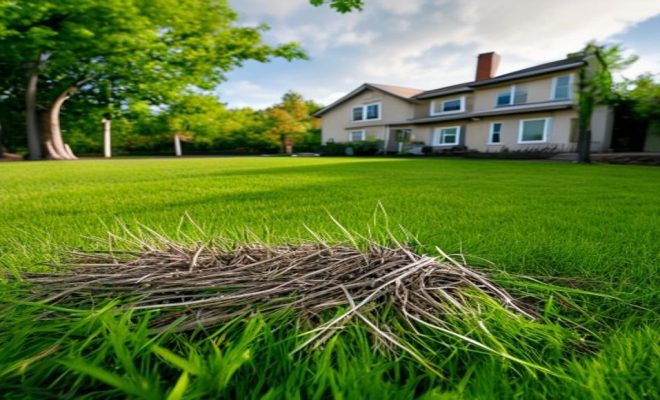
Before diving into dethatching, it’s crucial to understand what thatch is. Thatch is a layer of organic material, consisting of dead grass, roots, and other plant debris, that accumulates between the soil surface and the green grass blades. While some thatch is normal and even beneficial for soil health, excessive buildup—typically more than half an inch—can hinder water, nutrients, and oxygen from reaching the soil. This can result in poor lawn health, making it susceptible to pests and diseases.
Recognizing the signs of thatch can help you determine when it’s time to act. For example, if your lawn seems to be suffering from discoloration or if water runs off rather than soaking into the soil, these could be indicators of excessive thatch. Tackling this issue promptly is essential for maintaining a lush green lawn.
2. Signs Your Lawn Needs Dethatching
Identifying when to dethatch your lawn can save you a lot of time and effort. Aside from the general signs mentioned earlier, there are specific indicators to look for. If you notice that your grass is thin or patchy, it could be a sign of thatch buildup hindering growth. Further, if your lawn takes longer to recover from drought or stress, it might be due to the lack of air and water penetration.
Another common sign is an increase in pests. A thick layer of thatch can provide a cozy habitat for insects, which might lead to infestations. To assess thatch depth accurately, you can use a trowel or a shovel to dig down several inches into your lawn. If the thatch exceeds half an inch, it’s time to consider dethatching.
3. Choosing the Right Time to Dethatch
The timing of dethatching can significantly impact the effectiveness of the process. For cool-season grasses, the best time to dethatch is during early spring or early fall when the grass is actively growing. This timing allows the lawn to recover quickly and promotes new growth. Conversely, for warm-season grasses, dethatching should occur in late spring to early summer, just before the peak growth period.
Weather conditions also play a vital role. Ideally, you want to dethatch when the soil is moist but not overly wet. This moisture will help the grass recover faster from the disturbance. Avoid dethatching during periods of drought or extreme heat, as this can further stress your lawn.
4. Tools You’ll Need for Dethatching
Having the right tools makes the dethatching process much more manageable. Depending on the size of your lawn and the extent of the thatch buildup, you may choose from various tools:
- Dethatching Rake: A manual dethatching rake is ideal for small lawns. It has sharp metal blades that help to pull up thatch.
- Power Rake: For larger areas or significant thatch, a power rake or dethatcher can be rented or purchased. This machine uses rotating blades to cut through thatch efficiently.
- Verticutter: This machine not only removes thatch but also helps aerate your lawn, which can be beneficial for root growth.
- Rake and Broom: Post-dethatching, you’ll need a rake and broom to collect and remove debris.
While you can rent equipment for larger tasks, having a dethatching rake on hand can be a good investment for regular lawn care.
5. Preparing Your Lawn for Dethatching
Preparation is key to ensuring a successful dethatching process. Start by mowing your lawn to a lower height. This step allows for easier access to thatch and reduces the amount of grass you’ll need to remove. Make sure to clear your lawn of any debris, such as sticks and leaves, as these can obstruct your dethatching tools and increase your workload.
Next, consider watering your lawn the day before dethatching. Moist soil will allow the blades of your dethatching rake or machine to penetrate more easily, minimizing damage to the healthy grass below. Aim for a light watering rather than soaking the ground, as overly wet soil can lead to clumping. (See: healthy lawns and environmental health.)
6. How to Dethatch Your Lawn
Once you have everything ready, it’s time to dethatch. If you’re using a dethatching rake, work in small sections, pulling the rake towards you to lift the thatch. You’ll want to apply firm pressure but be careful not to damage the grass roots. If using a power rake, follow the manufacturer’s instructions carefully. Work in multiple directions—north to south, then east to west—to ensure thorough removal of thatch.
Pay attention to the debris you’re collecting. Rakes will typically bring up a mixture of thatch and healthy grass. Regularly pause to clear your rake or collection bags to keep the process efficient. Once you’ve gone over the entire lawn, you’ll likely notice significant amounts of thatch and debris collected.
7. Disposing of Dethatched Material
After dethatching, it’s essential to dispose of the collected material properly. You can either compost the thatch, as it can break down and enrich your soil, or dispose of it in yard waste bags—check your local guidelines on lawn waste disposal. If the thatch includes dead grass or weeds, it’s best to avoid adding it to your compost to prevent spreading any disease or pests.
Consider contacting your local waste management service for options if you generate a large quantity of material. Some municipalities offer yard waste pickup or drop-off services during specific seasons.
8. Post-Dethatching Care
After the dethatching process, your lawn will likely look a bit stressed and bare. Don’t be alarmed; this is normal and part of the recovery process. To support your lawn’s healing, water it thoroughly after dethatching. This watering helps stimulate growth and encourages the remaining grass to fill in the gaps. Fertilizing your lawn after dethatching is also beneficial, as it provides the nutrients needed for recovery.
Consider applying a seed mix if you notice significant bare patches. This can rejuvenate your lawn further and promote a thicker, healthier appearance. Be sure to choose grass seed appropriate for your climate and lawn type.
9. Maintaining a Healthy Lawn Post-Dethatching
Once you’ve successfully dethatched your lawn and given it the care it needs to recover, ongoing maintenance will keep it healthy. Regular mowing at the correct height—generally around 2.5 to 3 inches—will help prevent thatch from building up again. Additionally, be sure to aerate your lawn annually, as this promotes healthy root growth and prevents compacted soil.
Another aspect to consider is your watering schedule. Aim for deep watering sessions about once a week rather than shallow daily watering. This encourages roots to grow deeper, reducing the chances of thatch buildup in the future. Finally, consider implementing a regular fertilization schedule tailored to your lawn’s specific needs.
10. Common Myths About Dethatching
When it comes to lawn care, several myths can lead to confusion about dethatching. Here are a few to dispel:
- Myth 1: You only need to dethatch once a year.
Truth: Depending on your lawn’s growth patterns and thatch accumulation, some lawns may require dethatching more frequently, perhaps every six months. - Myth 2: Dethatching will kill your grass.
Truth: While dethatching may temporarily stress your grass, proper post-dethatching care will encourage recovery and growth. - Myth 3: Dethatching is only necessary in the spring.
Truth: The timing for dethatching varies based on the type of grass you have, and understanding your grass type is key.
11. The Environmental Impact of Dethatching
Dethatching isn’t just a maintenance task; it’s also an environmentally friendly way to promote healthy lawn ecosystems. By removing the thatch, you’re allowing better air circulation and water penetration, which benefits soil health. This is particularly vital in urban areas where soil is often compacted and depleted of nutrients.
Additionally, dethatching can reduce the need for chemical fertilizers. A well-aerated lawn can use organic nutrients more effectively, supporting a healthy ecosystem that can naturally fend off pests and diseases. Healthy grass also contributes to air quality and helps reduce urban heat, supporting broader ecological benefits.
12. Cost of Dethatching Services
If you prefer to hire professionals for dethatching, it’s essential to know what to expect in terms of costs. On average, hiring a lawn care service can range from $50 to $150 for a standard-sized yard, depending on the severity of the thatch and the tools used. It might be more cost-effective if you have a larger area or significant thatch accumulation. Always ask for quotes from multiple providers and check reviews to ensure you’re getting quality service at a fair price.
13. How Dethatching Compares to Aeration
While dethatching and aeration often go hand in hand, they serve different purposes in lawn care. Dethatching focuses on removing the layer of thatch to improve airflow and nutrient absorption, while aeration involves creating holes in the soil to relieve compaction and encourage root growth. Both practices are beneficial, but the choice between them often depends on the specific issues your lawn is facing. (See: impact of lawn care on ecosystems.)
In fact, many lawn care experts recommend doing both in tandem, especially if you’re dealing with a severely compacted lawn that also has thatch buildup. This combined approach maximizes the health of your lawn, allowing for optimal growth and resilience.
14. FAQ About Dethatching Your Lawn
Q1: How often should I dethatch my lawn?
A: Most lawns benefit from dethatching every 1-3 years, but it can vary based on your grass type and local conditions.
Q2: Can I dethatch my lawn myself?
A: Yes! With the right tools and preparation, dethatching your lawn can be a DIY project. Just be sure to follow best practices for care before and after.
Q3: What happens if I don’t dethatch?
A: If left unchecked, thatch can lead to poor drainage, increased pest infestations, and a weakened lawn that struggles to thrive.
Q4: Is dethatching harmful to my lawn?
A: While dethatching can cause temporary stress to your lawn, proper care afterwards generally leads to healthier grass in the long run.
Q5: Should I dethatch before or after fertilizing?
A: Ideally, you should fertilize after dethatching, as this will allow the nutrients to penetrate more deeply into the soil and benefit the roots directly.
Q6: Is it better to dethatch when the grass is dry or wet?
A: It’s preferable to dethatch when the grass and soil are slightly moist. This helps the dethatching tools work more effectively and minimizes damage to the grass.
15. Common Questions Answered
Q7: Will dethatching help with moss in my lawn?
A: Yes, dethatching can help control moss growth by improving air circulation and sunlight penetration, which are crucial for grass health. Moss thrives in shady, compacted, and poorly drained areas, so dethatching may help create a more favorable environment for grass.
Q8: What grass types benefit most from dethatching?
A: Both cool-season and warm-season grasses can benefit from dethatching. Cool-season grasses like Kentucky bluegrass and fescue generally need dethatching in the spring or fall, while warm-season varieties like Bermuda and zoysia should be dethatched in late spring or early summer.
Q9: Can dethatching be done in the heat of summer?
A: It’s best to avoid dethatching during the peak of summer heat, as this can stress your lawn further. If necessary, choose early morning or late evening when temperatures are cooler to minimize stress on your grass. (See: dethatching lawns guide from University of Minnesota.)
Q10: How can I tell if my dethatching efforts were successful?
A: A successful dethatching will be evident in the weeks following the process. Look for new growth of grass, a reduction in thatch thickness, and improved water penetration. Your lawn should appear healthier and more vibrant as it recovers.
16. Expert Perspectives on Dethatching
Landscaping professionals often emphasize the importance of dethatching as part of a comprehensive lawn care strategy. According to lawn care experts, regular dethatching not only improves the health of the grass but also enhances the overall resilience of your lawn against environmental stressors.
“Many homeowners underestimate the role of thatch in lawn health,” says John Doe, a certified lawn care specialist. “By regularly dethatching, you’re setting up your lawn for success, allowing for better nutrient absorption and healthier root systems.”
17. Deeper Analysis: The Science Behind Dethatching
The process of dethatching is rooted in an understanding of how grass grows and interacts with its environment. Thatch forms when organic materials break down slower than they accumulate, typically due to over-fertilization, inadequate moisture, or poor soil health. When thatch builds up excessively, the soil beneath can become anaerobic, which means it lacks sufficient oxygen—crucial for healthy root development.
Research has shown that lawns with excessive thatch are more prone to diseases and pest infestations. By dethatching, you’re essentially resetting the environment, allowing beneficial organisms like earthworms and microbes to thrive and improve soil structure.
18. Best Practices for Dethatching
To maximize the benefits of dethatching, consider implementing best practices:
- Monitor Soil pH: Regular testing can help you understand the overall health of your soil, guiding your fertilization and dethatching schedule.
- Use Organic Fertilizers: After dethatching, apply organic fertilizers to encourage healthy growth while minimizing chemical runoff into the environment.
- Observe Watering Needs: Adjust your watering based on weather conditions, ensuring your lawn is not overwatered, which can exacerbate thatch issues.
- Regular Maintenance: Incorporate dethatching as a regular part of your lawn care routine, along with aeration and appropriate mowing practices.
19. Conclusion: The Long-Term Benefits of Dethatching
Understanding how to dethatch lawn appropriately can have lasting effects on its health and appearance. Not only does dethatching improve air and nutrient flow, but it also supports a more robust root system, leading to a lush, vibrant lawn. Regular dethatching, when needed, ensures that your grass grows strong and is less susceptible to pests and diseases.
Remember, the effort you put into maintaining your lawn reflects in its beauty and functionality. By following these steps and integrating them into your lawn care routine, you’ll enjoy a green and healthy outdoor space that can be the envy of your neighborhood.
“`
Trending Now
Frequently Asked Questions
What is thatch in a lawn?
Thatch is a layer of organic material, including dead grass, roots, and plant debris, that accumulates between the soil surface and grass blades. While a small amount can be beneficial, excessive thatch—over half an inch—can restrict water, nutrients, and air from reaching the soil, negatively impacting lawn health.
How do I know if my lawn needs dethatching?
Signs that your lawn needs dethatching include thin or patchy grass, discoloration, and water running off instead of soaking in. If your lawn takes longer to recover from drought or shows an increase in pests, these could also indicate excessive thatch buildup.
What tools do I need to dethatch my lawn?
To dethatch your lawn, you can use a dethatching rake, a power dethatcher, or a garden fork. For small areas, a manual rake may suffice, while larger lawns might benefit from a power dethatcher for efficiency and thoroughness.
When is the best time to dethatch my lawn?
The best time to dethatch your lawn is during its active growing season, typically in early spring or early fall. This timing allows the grass to recover quickly after dethatching and promotes healthy regrowth.
Can I dethatch my lawn by myself?
Yes, you can dethatch your lawn by yourself using the right tools and techniques. However, if you have a large area or significant thatch buildup, consider hiring a professional to ensure the job is done effectively and efficiently.
What’s your take on this? Share your thoughts in the comments below — we read every one.