Car Battery Acid & Plastic Waste: Powering a Green Future
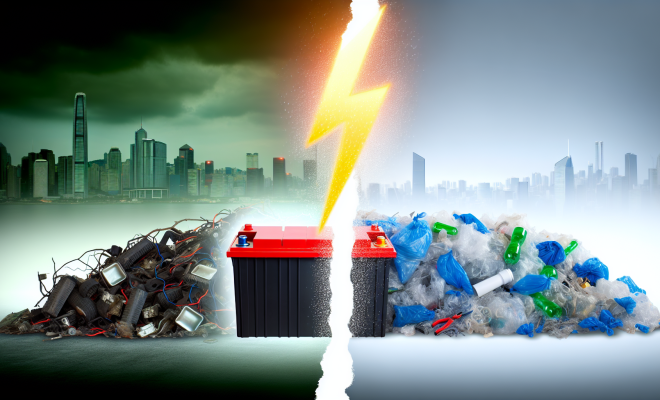
In a groundbreaking development that addresses two significant environmental issues, researchers have unveiled a pioneering process that transforms car battery acid and plastic waste into clean hydrogen fuel and recyclable new plastic. This innovative approach not only demonstrates remarkable efficiency but also offers a sustainable solution to the pressing problems of plastic pollution and fossil fuel dependency.
The Science Behind the Breakthrough
The research team, comprising leading scientists from prestigious institutions, has successfully harnessed the chemical properties of sulfuric acid found in car batteries alongside discarded plastics. This combination yields hydrogen gas, a clean energy source that emits only water vapor when used.
Efficient Conversion Process
Utilizing advanced chemical reactions, the researchers have achieved impressive conversion rates. The process can efficiently break down plastic waste—an issue that plagues landfills and oceans globally—while simultaneously producing hydrogen fuel. According to the team’s findings, they can process tons of plastic waste annually, thus significantly reducing the environmental footprint associated with both plastic disposal and hydrogen production.
Addressing Environmental Challenges
The dual challenge of plastic pollution and the search for sustainable energy sources has become increasingly urgent. According to recent statistics, approximately 300 million tons of plastic are generated globally each year, with a substantial portion ending up in oceans and natural habitats. Concurrently, the world’s reliance on fossil fuels has pushed climate change to the forefront of global concerns.
This new technology presents a viable solution to these challenges by producing hydrogen—an energy source that can potentially replace fossil fuels in various applications, including transportation and power generation. By evolving existing waste into valuable resources, this initiative promotes a circular economy.
Implications for Sustainable Energy
The ability to produce hydrogen from waste materials is not just a theoretical concept; it holds realistic practical applications. Hydrogen fuel cells are increasingly used in vehicles and industrial processes, and as the technology continues to advance, the demand for clean hydrogen is expected to surge.
Moreover, the process creates zero-emission hydrogen, aligning with global goals to reduce greenhouse gas emissions. As countries strive to meet their climate targets, such innovative solutions could play a pivotal role in transitioning to greener energy systems.
Recyclable Plastics: A Sustainable Future
In addition to generating clean fuel, the process also produces new plastic materials that are recyclable. This aspect is crucial because recycling plastic has become increasingly important in mitigating environmental damage. Traditional recycling methods often fall short, leading to a significant quantity of plastic waste that cannot be reused effectively.
The Benefits of New Plastic Production
- Reduction in Waste: By utilizing plastic waste, the process directly reduces the volume of trash that ends up in landfills.
- High-Quality Output: The new plastic produced is intended to meet high industry standards, ensuring it can effectively replace virgin materials.
- Economic Opportunities: The technology may also open avenues for new markets and job creation within the recycling and hydrogen production sectors.
Future Prospects and Challenges
While the research presents a promising future, several challenges remain. Scaling the technology for widespread adoption will require significant investment in infrastructure and technology development. Additionally, the regulatory landscape will need to evolve to accommodate new recycling and energy production methods.
Nonetheless, the potential benefits are substantial. If this approach can be scaled effectively, it could lead to a substantial reduction in plastic waste while simultaneously providing a cleaner energy source. The researchers are optimistic about the next steps, including pilot programs and collaborations with industry leaders to advance the technology.
Collaborative Efforts in Research
This innovative project reflects a collaborative spirit in the scientific community, with researchers pooling resources and expertise to tackle complex environmental issues. It highlights the importance of interdisciplinary approaches, combining chemistry, environmental science, and engineering to develop effective solutions.
Conclusion
The conversion of car battery acid and plastic waste into clean hydrogen and recyclable new plastic represents a significant leap towards sustainable practices. As the world grapples with pollution and energy crises, breakthroughs like this one could pave the way for a cleaner, more sustainable future. Continued investment in research and innovative technologies will be crucial to unlocking the full potential of these findings and ensuring a healthier planet for generations to come.