Homemade Dog Food: A Healthier Choice for Your Pet
“`html
Making homemade dog food is becoming increasingly popular among pet owners seeking to provide their furry friends with a healthier, more nutritious diet. The trend is fueled by growing concerns over the quality of commercial dog foods, which have been linked to health issues in pets. This article will delve into the reasons behind this shift, how to create balanced meals for your dog, and practical tips for making homemade dog food a part of your routine.
1. The Rise of Homemade Dog Food
In recent years, many pet owners have begun to question the ingredients found in commercial dog foods. High-profile recalls and scandals involving pet food companies have raised red flags about what we’re feeding our dogs. As a result, a significant number of dog owners are now choosing to cook for their pets. According to a survey conducted by the American Pet Products Association, over 60% of pet owners have expressed interest in making homemade dog food.
This rise can also be attributed to the increasing awareness of the benefits of fresh, unprocessed foods. Just like humans, dogs thrive on a balanced diet rich in nutrients. By preparing meals at home, you can better control your pet’s nutritional intake and avoid harmful additives that often lurk in commercial products.
2. Understanding Your Dog’s Nutritional Needs
Before you start whipping up meals in your kitchen, it’s crucial to understand what constitutes a balanced diet for dogs. Dogs require a mix of proteins, carbohydrates, fats, vitamins, and minerals to maintain their overall health. Generally, the following guidelines will help you create balanced homemade dog food:
- Proteins: Sources like chicken, beef, fish, and eggs should make up a significant portion of your dog’s diet.
- Carbohydrates: Ingredients such as brown rice, oats, and sweet potatoes provide energy and are easy for dogs to digest.
- Fats: Essential fatty acids, found in fish oils or flaxseed oil, are important for skin and coat health.
- Vitamins and minerals: A variety of vegetables like carrots, peas, and broccoli can provide the necessary micronutrients.
Consulting with a veterinarian or a pet nutritionist can help ensure that your homemade meals meet your dog’s specific needs, especially if they have any health concerns.
3. Basic Ingredients for Homemade Dog Food
The beauty of homemade dog food lies in its versatility. You can customize meals based on your dog’s preferences and dietary restrictions. Here are some staple ingredients you might consider:
- Meats: Chicken, turkey, beef, lamb, and fish.
- Grains: Brown rice, quinoa, barley, and oats.
- Vegetables: Carrots, peas, spinach, zucchini, and sweet potatoes.
- Fruits: Apples (without seeds), blueberries, and bananas.
- Supplements: Fish oil, vitamin E, and calcium supplements may be necessary depending on the recipe.
Always ensure meats are cooked thoroughly and vegetables are prepared in a way that makes them easily digestible for your dog. Avoid toxic foods like grapes, raisins, onions, and garlic.
4. Simple Recipes for Homemade Dog Food
Now that you have a better understanding of the ingredients, let’s look at some simple recipes that you can try at home. These meals are designed to be nutritious and satisfying for your dog.
Recipe 1: Chicken and Rice
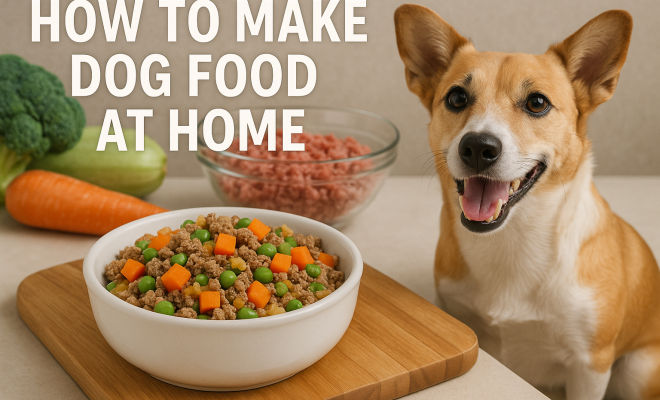
Ingredients: 2 cups of brown rice, 1 pound of ground chicken, 1 cup of carrots (chopped), and 1 cup of peas.
Instructions: In a large pot, cook the rice according to package instructions. In another pan, cook the ground chicken until no longer pink. Combine the chicken, cooked rice, carrots, and peas in the pot. Stir well and let it cool before serving.
Recipe 2: Beef and Sweet Potato Stew
Ingredients: 1 pound of ground beef, 1 sweet potato (cubed), 1 cup of spinach, and 1 cup of carrots. (See: CDC on home-cooked pet food.)
Instructions: In a large pot, cook the ground beef until browned. Add the cubed sweet potato and carrots, and cover with water. Simmer until the sweet potatoes are tender. Stir in the spinach and let it wilt. Allow to cool before serving.
These recipes can be stored in the fridge for about 3-5 days, and can easily be made in larger batches and frozen for later use.
5. Adjusting for Special Dietary Needs
If your dog has specific health concerns, such as allergies or sensitivities, you may need to adjust recipes to accommodate their requirements. For instance, dogs with grain sensitivities could benefit from a grain-free recipe focusing on proteins and vegetables. Always consult your vet before making significant changes to your dog’s diet.
Additionally, senior dogs may require food that’s easier to chew or digest, while active dogs may need more protein and fats to support their energy levels. Tailoring homemade dog food to suit these needs can enhance your dog’s quality of life.
6. Balancing Homemade Dog Food with Supplements
Even the best homemade dog food recipes may lack certain essential nutrients. This is why adding supplements can be beneficial. Omega-3 fatty acids, found in fish oil, help with skin health, while calcium is essential for strong bones. Including a multivitamin designed for dogs can also help fill in any nutritional gaps.
Before introducing any supplements, consult your veterinarian to determine what your dog might need, based on their specific health and dietary requirements. This approach ensures that your dog receives a well-rounded diet.
7. Common Mistakes to Avoid
While making homemade dog food can be rewarding, it’s easy to make mistakes that could affect your dog’s health. Here are some common pitfalls to watch out for:
- Not consulting a veterinarian: Always discuss your plans with a professional to ensure your recipes are nutritionally complete.
- Using harmful ingredients: Avoid foods that can be toxic to dogs, such as chocolate, grapes, and onions.
- Neglecting variety: Feeding your dog the same meal repeatedly can lead to nutritional deficiencies. Rotate ingredients and recipes.
- Ignoring portion sizes: Overfeeding can lead to obesity, while underfeeding can cause malnutrition. Check guidelines based on your dog’s size and activity level.
Being aware of these common issues will help you provide a safe and healthy diet for your canine companion.
8. Budgeting for Homemade Dog Food
One of the concerns many pet owners have about making homemade dog food is the cost. While it can be more economical than high-end commercial foods, budgeting is important. Here are some tips to keep costs manageable:
- Buy in bulk: Purchasing grains and proteins in larger quantities can save money over time.
- Use seasonal produce: Vegetables and fruits that are in season are often cheaper and fresher.
- Plan meals: Create a weekly menu to reduce waste and ensure you’re using ingredients efficiently.
- Consider leftovers: Utilize leftovers from your meals as a way to create dog food, reducing overall food waste.
With some planning, you can create healthy, homemade dog food without breaking the bank.
9. Making the Transition to Homemade Dog Food
Switching your dog from commercial food to homemade dog food should be done gradually. Start by mixing a small amount of the new food with their current food. Over the course of a week, slowly increase the proportion of homemade food while decreasing the commercial food. This gradual transition can help prevent digestive upset.
Monitor your dog’s health throughout the process. Look for signs of discomfort or allergies, and consult your vet if you notice any adverse reactions. With care and patience, you can successfully transition your pet to a fresh, nutritious diet that supports their health. (See: Nutrition.gov on pet food safety.)
10. Popular Myths About Homemade Dog Food
As more pet owners consider switching to homemade dog food, some myths have emerged that may mislead well-intentioned caregivers. Here are a few common myths and the truths behind them:
- Myth 1: Homemade dog food is always healthier. While home-cooked meals can be nutritious, they can also be unbalanced if not prepared correctly. It’s essential to research and consult professionals to create balanced meals.
- Myth 2: All human food is good for dogs. Not all human food is safe for dogs. Foods like chocolate, avocados, and certain nuts can be toxic. Always check what is safe to include.
- Myth 3: Homemade dog food is too time-consuming. While it requires some planning, many recipes are quick to prepare, and batch cooking can save time. Plus, the joy of seeing your dog thrive can be worth the effort.
11. Comparing Homemade Dog Food to Commercial Options
When considering homemade dog food, it’s useful to weigh the pros and cons against commercial dog food options. Here’s a breakdown of some key differences:
Homemade Dog Food
- Control over ingredients: You choose exactly what goes into each meal, which can be beneficial for dogs with allergies or sensitivities.
- Freshness: Homemade meals are often fresher than store-bought options, which may sit on shelves for extended periods.
- Customization: Meals can be tailored to your dog’s specific needs, preferences, and health concerns.
Commercial Dog Foods
- Convenience: Store-bought food is often easier and quicker, requiring no preparation time.
- Formulation: Many commercial foods are scientifically formulated to meet specific nutritional guidelines, which can be beneficial for ensuring a balanced diet.
- Variety: The vast array of commercial options allows you to easily switch flavors and formulas to keep mealtime interesting for your dog.
12. Expert Perspectives on Homemade Dog Food
To gain deeper insights, we reached out to veterinarians and pet nutritionists for their thoughts on homemade dog food. Here are some key takeaways:
Dr. Jane Smith, a veterinary nutritionist, emphasizes, “While homemade dog food can be incredibly beneficial, it’s crucial that dog owners do their research. Balancing the diet is key to avoiding deficiencies.” She recommends using a variety of protein sources and incorporating a range of vegetables for optimal nutrition.
Another expert, Dr. Michael Johnson, points out, “Many owners are realizing that commercial food isn’t always the best option due to recalls and questionable ingredients. Homemade meals provide peace of mind, but owners must ensure they meet their dog’s nutritional needs.”
13. Frequently Asked Questions About Homemade Dog Food
Q1: Can I feed my dog exclusively homemade meals?
A: Yes, but it’s essential to ensure that the meals are well-balanced and meet all of your dog’s nutritional requirements. Consulting a vet is recommended.
Q2: How long can I store homemade dog food?
A: Homemade dog food can be stored in the refrigerator for 3-5 days. If you need to keep it longer, consider freezing it in individual portions.
Q3: Are there specific ingredients I should avoid?
A: Yes, certain foods are toxic to dogs, including chocolate, grapes, onions, garlic, and macadamia nuts. Always research ingredients before including them in meals.
Q4: How can I tell if my dog is allergic to a specific ingredient?
A: Signs of food allergies can include itching, skin problems, gastrointestinal upset, and ear infections. If you suspect an allergy, consult your veterinarian to perform tests and guide you in eliminating potential allergens.
Q5: How do I start making homemade dog food?
A: Start by researching recipes that suit your dog’s needs. Gradually introduce the new food into your dog’s diet while monitoring for any adverse reactions, and consult your vet for guidelines.
14. Enhancing Flavor: Adding Variety to Homemade Dog Food
Just like us, dogs can get a little bored with their meals if they’re always the same. Adding variety not only keeps mealtime exciting but can also provide different nutritional benefits. Consider incorporating the following to spice things up:
- Herbs: Fresh herbs like parsley, basil, and cilantro can enhance flavor and offer various health benefits. For instance, parsley is known to freshen breath and is rich in antioxidants.
- Broth: Adding low-sodium chicken or beef broth can elevate your dog’s meal and encourage hydration. Just ensure that it doesn’t contain harmful additives like onion or garlic.
- Different Cooking Methods: Try baking, slow cooking, or steaming ingredients. Each method can bring out different flavors and textures that your dog might enjoy.
- Rotating Proteins: Instead of sticking with one meat source, rotate between chicken, beef, lamb, and fish. This not only adds flavor but also provides different nutrients that can be beneficial for your dog.
15. Tracking Your Dog’s Health: Important Metrics to Monitor
Transitioning to homemade dog food requires some adjustment, and it’s important to monitor how your dog is responding to their new diet. Keep an eye on several health metrics:
- Weight: Check your dog’s weight regularly to ensure they’re not gaining or losing too much too quickly. Adjust portion sizes or ingredients accordingly.
- Energy Levels: Note any changes in your dog’s energy. A healthy dog should be active and playful. If they seem lethargic, it may indicate an imbalance in their diet.
- Coat Condition: A shiny coat is a sign of good nutrition. If your dog’s coat appears dull or dry, you may need to adjust their diet to include more healthy fats.
- Digestion: Monitor your dog’s stool quality. If they experience diarrhea or constipation, it could signal that the diet needs tweaking.
16. Special Considerations for Puppies and Senior Dogs
Your dog’s age can greatly influence their nutritional needs, so it’s crucial to tailor your homemade dog food accordingly:
Puppies
Puppies require a diet higher in calories and protein to support their rapid growth and development. Consider incorporating:
- Higher protein sources: Options like chicken liver and turkey can provide the necessary nutrients.
- Calcium-rich ingredients: Yogurt or cottage cheese can help support bone development.
- Small, easily digestible meals: Serving smaller portions multiple times a day can help prevent digestive upsets.
Senior Dogs
Senior dogs may have different dietary needs due to slower metabolism and potential health issues. Focus on:
- Lower calorie options: If your senior dog is less active, opt for lean meats and fewer grains to avoid weight gain.
- Added fiber: Incorporating pumpkin or sweet potato can aid digestion and help maintain a healthy weight.
- Joint-supporting supplements: Ingredients like glucosamine can help support joint health in older dogs.
17. How to Organize Your Homemade Dog Food Preparation
Staying organized can simplify the process of making homemade dog food. Here are some tips to streamline your efforts:
- Batch cooking: Prepare large batches at once and portion them into daily servings for easy access throughout the week.
- Labeling: Use labels to mark the date and contents of each batch, ensuring you use older meals first.
- Using a meal planner: Designate a specific day for meal prep each week, so it becomes a part of your routine.
- Involving the family: Make it a family activity where everyone helps, making it a fun bonding experience.
Creating homemade dog food can be a rewarding experience that strengthens the bond between you and your pet. By understanding your dog’s nutritional needs, using quality ingredients, and avoiding common mistakes, you can provide a diet that promotes their health and happiness.
“`
Trending Now
Frequently Asked Questions
What ingredients do I need to make homemade dog food?
To make homemade dog food, you need a balance of proteins (like chicken, beef, or fish), carbohydrates (such as brown rice, oats, or sweet potatoes), and healthy fats (like fish oil or flaxseed oil). Additionally, incorporating vegetables and supplements can help meet your dog's nutritional needs.
Is homemade dog food better than commercial dog food?
Many pet owners believe homemade dog food is better than commercial options due to concerns about ingredient quality and potential additives. Homemade meals allow for better control over your dog's diet, ensuring they receive fresh, unprocessed ingredients tailored to their health needs.
How do I ensure my homemade dog food is balanced?
To ensure your homemade dog food is balanced, include a mix of proteins, carbohydrates, fats, vitamins, and minerals. Consulting with a veterinarian or a pet nutritionist can provide guidance on proper ratios and necessary supplements to meet your dog's specific dietary requirements.
Can dogs eat human food in homemade dog food?
Yes, dogs can eat certain human foods when prepared correctly as homemade dog food. Ingredients like lean meats, vegetables, and grains can be healthy options. However, avoid toxic foods like chocolate, onions, and grapes, and always check for safety before including new ingredients.
How often should I feed my dog homemade food?
The frequency of feeding homemade dog food depends on your dog's age, size, and activity level. Generally, adult dogs are fed twice a day, while puppies may require more frequent meals. Always consult with your veterinarian to determine the best feeding schedule for your pet.
What did we miss? Let us know in the comments and join the conversation.