Jump Start Your Car: A Comprehensive Guide
“`html
If you’ve ever found yourself stranded with a dead battery, you know how frustrating and stressful that situation can be. Fortunately, knowing how to jump start a car can save you from a sticky situation. Whether you’re a seasoned driver or a new car owner, understanding the process is essential. In this comprehensive guide, we’ll cover everything from the basics of jump-starting to safety tips and troubleshooting common issues. Let’s dive into the world of automotive batteries and learn how to revive them!
1. Understanding Car Batteries
To effectively jump start a car, it’s crucial to understand how car batteries work. Most vehicles utilize a lead-acid battery, which stores electrical energy in lead and sulfuric acid. This energy powers the starter motor, lights, and other electrical components when the engine is off.
Car batteries come in different sizes and capacities, typically rated in cold cranking amps (CCA) and amp-hours (Ah). CCA measures a battery’s ability to start an engine in cold temperatures, while Ah indicates how long the battery can supply power. Knowing these specifications can help you choose the right battery for your vehicle and understand its limitations, particularly in extreme weather conditions.
An interesting fact is that car batteries can be affected by climate. For example, in cold temperatures, a battery’s capacity can decrease significantly, sometimes by as much as 50%. This means that if you’re living in a colder region, you may want to invest in a battery with a higher CCA rating to ensure reliable starts even in frigid weather.
2. Recognizing a Dead Battery
Before jumping into the process of reviving a dead battery, it’s vital to identify the signs that indicate your battery is failing. Common symptoms include:
- Engine cranks slowly or not at all
- Dashboard lights are dim or non-functional
- Electrical components like headlights and radio have reduced performance
- Unusual clicking noise when turning the key
If you experience any of these symptoms, it’s time to consider a jump start. However, ensure that the issue really is the battery and not a problem with the starter or alternator.
It’s also worthwhile to note that some batteries have a “battery health indicator,” which is a small colored dot on the battery. If it shows green, your battery is healthy; if it’s black or red, you may need to replace it.
3. Gathering the Right Equipment
Before you attempt to jump start your car, you’ll need a few essential tools. Having the right equipment can make the process smoother and safer:
- Jumper Cables: A good quality set of jumper cables is essential. Look for cables with heavy gauge wiring and insulated clamps.
- Another Vehicle: You’ll need a functioning vehicle with a compatible battery to jump-start your car.
- Safety Gear: Wear gloves and goggles for protection, as batteries can produce harmful gases.
It’s also wise to keep a flashlight handy, especially if you find yourself in an emergency situation at night. (See: Lead-acid battery overview.)
Additionally, consider carrying a portable jump starter in your trunk. These small devices can jump start your vehicle without needing another car, making them a convenient option for solo drivers.
4. Steps to Jump Start a Car
Once you’re prepared, it’s time to jump start your car. Follow these steps to do it safely:
- Position the Vehicles: Park the working vehicle close to the dead car, ensuring the batteries are within reach but the vehicles do not touch.
- Turn Off Both Cars: Ensure both engines are off, and remove keys from the ignition.
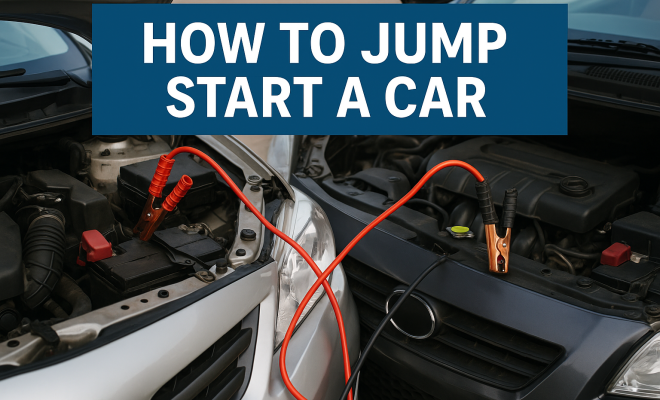
- Connect the Jumper Cables: Attach the red clamp to the positive terminal (+) of the dead battery. Then, connect the other end of the red cable to the positive terminal of the working battery. Next, attach the black clamp to the negative terminal (-) of the working battery, and finally, secure the other end of the black cable to an unpainted metal surface on the dead vehicle (this acts as a ground).
- Start the Working Vehicle: With the cables connected, start the engine of the functional vehicle and let it run for a few minutes.
- Start the Dead Vehicle: Attempt to start the vehicle with the dead battery. If it doesn’t start immediately, wait a few more minutes before trying again.
- Remove the Cables: Once the dead car starts, carefully remove the cables in reverse order: black cable from the ground, then from the working battery. Finally, remove the red cable from the working battery and then from the revived battery.
Let the revived car run for at least 15-30 minutes to recharge its battery.
5. Safety Precautions
Jump starting a car can be dangerous if not done correctly. To ensure your safety, follow these precautions:
- Check for Damage: Inspect the battery and cables for any signs of damage, leaks, or corrosion.
- Keep Metal Objects Away: Avoid having metal tools or jewelry near the battery terminals to prevent accidental short circuits.
- Don’t Lean Over the Battery: Stand clear while someone else is starting the engine to avoid injury from sparks or explosions.
- Know When to Call for Help: If the car doesn’t start after a couple of attempts, it might be time to seek professional assistance instead of continuing to try.
Following these safety precautions can significantly reduce the risk of accidents while jump starting a car.
6. Troubleshooting Common Issues
What if your car refuses to start after you jump it? Here are some common problems that could be causing the issue:
- Bad Battery: If your battery is old or damaged, it might not hold a charge even after a jump. Most car batteries last about 3-5 years.
- Faulty Alternator: If your car starts but dies shortly after, there might be an issue with the alternator that prevents the battery from recharging.
- Starter Issues: A malfunctioning starter can prevent your car from starting. If you hear a clicking noise but the engine doesn’t crank, this may be the problem.
Understanding these common issues can help you identify when it’s time to consult a mechanic rather than attempting further jump starts.
It’s also wise to periodically check your battery’s voltage with a multimeter. A healthy battery should show around 12.6 volts or higher. If it’s below 12.4 volts, it’s time to consider recharging or replacing it.
7. When to Seek Professional Help
While knowing how to jump start a car is a valuable skill, there are times when it’s best to call in the pros. If you’ve tried jump starting your vehicle multiple times with no success, it’s a clear sign that there’s a deeper issue at play. Here are some situations where professional assistance is warranted: (See: Chemical safety information.)
- Repeated Battery Failures: If you find yourself repeatedly needing a jump, it may indicate a failing battery or electrical system.
- Unusual Sounds: Any strange noises during the jump attempt could be a sign of a mechanical issue that needs expert attention.
- Inexperienced with Cars: If you’re uncomfortable or unfamiliar with the process, don’t hesitate to call for roadside assistance.
In these cases, having a professional assess the situation can save you time and avoid potentially hazardous mistakes.
8. Maintenance Tips for Your Battery
Preventative maintenance can save you from having to deal with a dead battery in the first place. Here are some battery care tips to keep in mind:
- Regular Inspections: Check your battery for corrosion and loose connections regularly. Cleaning terminals can enhance performance.
- Keep It Charged: If your vehicle remains idle for long periods, consider using a trickle charger to keep the battery charged.
- Temperature Considerations: Extreme temperatures can affect battery performance. If you live in an area with harsh winters or sweltering summers, take extra care of your battery.
By properly maintaining your battery, you can extend its lifespan and prevent unexpected dead battery situations.
9. Frequently Asked Questions (FAQ)
Q: Can I jump start a hybrid or electric vehicle?
A: Yes, you can jump start a hybrid or electric vehicle, but it’s important to follow the manufacturer’s guidelines. Some hybrids have specific requirements for jump starting due to their complex electrical systems.
Q: How long should I run the car after a jump start?
A: It’s recommended to run the revived car for at least 15-30 minutes to allow the alternator to recharge the battery adequately.
Q: What happens if I connect the jumper cables incorrectly?
A: Connecting jumper cables incorrectly can cause serious damage to the vehicle’s electrical system, including blowing fuses or damaging the alternator. In severe cases, it can even lead to battery explosion.
Q: How can I tell if my battery is beyond repair?
A: If your battery is bulging, leaking, or has a corrosion buildup that can’t be cleaned, it’s likely time to replace it. Additionally, if your battery is consistently failing to hold a charge or is over three years old, consider getting it tested or replaced.
Q: Is it safe to jump start a car in the rain?
A: Yes, you can jump start a car in the rain, but take extra precautions to ensure your safety. Avoid standing in puddles and ensure that the jump cables do not touch each other or any metal surfaces during the process. (See: How to jump start a car.)
10. Jump Starting Different Types of Vehicles
When it comes to jump starting, the approach can vary a bit depending on the type of vehicle you’re dealing with. Here’s a quick guide on jump starting various types of vehicles:
10.1 Jump Starting a Motorcycle
Jump starting a motorcycle is similar to a car, but you’ll need to take extra care due to the smaller battery. The process involves:
- Position the donor vehicle close to the motorcycle.
- Connect the positive terminal of the motorcycle battery to the positive terminal of the donor vehicle.
- Connect the negative terminal of the donor vehicle to a metal ground on the motorcycle (not directly to the negative terminal).
- Start the donor vehicle and allow it to run for a few minutes before attempting to start the motorcycle.
10.2 Jump Starting a Truck
Trucks usually have larger batteries, and the jump starting process is the same as with cars. However, if the truck has dual batteries, make sure to connect to the correct battery, typically the one closest to the front. If you’re using a smaller vehicle to jump start a larger truck, make sure that the jumper cables are rated for the higher amperage.
10.3 Jump Starting a Diesel Vehicle
Diesel engines require more power to start than gasoline engines, making jump starting a diesel vehicle a bit more demanding. Here’s what to keep in mind:
- Use a heavy-duty set of jumper cables, preferably at least 1 gauge.
- Connect the cables as you would normally, but be cautious of the high amperage required.
- Consider letting the donor vehicle run for a longer period before attempting to start the diesel vehicle.
11. Innovations in Battery Technology
As technology advances, so does the design and functionality of car batteries. Here are some noteworthy innovations:
- AGM Batteries: Absorbent Glass Mat (AGM) batteries are more efficient than traditional lead-acid batteries, providing better performance and longevity. They are also less prone to leaking and can withstand deeper discharges.
- Lithium-Ion Batteries: Common in electric vehicles, lithium-ion batteries are lighter and more efficient than lead-acid batteries. They have a longer lifespan and offer faster charging times.
- Smart Batteries: Some modern batteries come with integrated sensors that monitor battery health, charge levels, and temperature, alerting drivers to potential issues before they become serious.
12. Conclusion: Empower Yourself with Knowledge
Knowing how to jump start a car is not just a useful skill; it can be a lifesaver in an inconvenient scenario. With the right knowledge and tools, you can handle a dead battery with confidence. Always prioritize safety and understand when to seek professional help. By following the tips outlined in this guide, you can ensure that you’re well-prepared for any automotive emergencies that may arise. Don’t let a dead battery keep you from your journey; take charge and get back on the road!
“`
Trending Now
Frequently Asked Questions
How do you jump start a car?
To jump start a car, you'll need jumper cables and a working vehicle. Connect the red cable to the positive terminal of the dead battery, then to the positive terminal of the good battery. Next, connect the black cable to the negative terminal of the good battery and attach the other end to an unpainted metal surface on the dead car. Start the working vehicle, then attempt to start the dead car.
What are the signs of a dead car battery?
Common signs of a dead car battery include the engine cranking slowly or not at all, dim or non-functional dashboard lights, and reduced performance of electrical components like headlights and the radio. If you hear an unusual clicking noise when trying to start the engine, it's also a strong indicator that the battery may be failing.
Can you jump start a car with a bad battery?
You can jump start a car with a bad battery, but if the battery is severely damaged or has a dead cell, it may not hold the charge. It's essential to assess the battery's condition after jump starting. If the car doesn't start or the battery drains quickly, it may need replacement.
What should you do before jump starting a car?
Before jump starting a car, ensure both vehicles are turned off and parked close enough for the jumper cables to reach. Check the battery terminals for corrosion and ensure the cables are in good condition. Familiarize yourself with the battery's positive and negative terminals to avoid mistakes during the process.
How can climate affect car batteries?
Climate can significantly affect car batteries, particularly in cold temperatures. A battery's capacity can decrease by as much as 50% in cold weather, making it harder to start the engine. In colder regions, it's advisable to choose a battery with a higher cold cranking amps (CCA) rating to ensure reliable performance during winter months.
What’s your take on this? Share your thoughts in the comments below — we read every one.