How to reduce nitrates in aquarium
“`html
Nitrates are a common concern for aquarium enthusiasts, often causing stress for both fish and plant life as they can lead to algae blooms and overall poor water quality. If you’re looking to reduce nitrates in aquarium, you’ve come to the right place. This guide will delve into eight effective strategies that can help maintain a healthy aquatic environment while keeping those pesky nitrates in check. Let’s explore these methods in detail!
1. Regular Water Changes: A Basic Yet Crucial Step
One of the most straightforward ways to reduce nitrates in aquarium setups is through consistent water changes. By regularly replacing a portion of the water—usually 10-15% weekly—you can effectively dilute the nitrates present in the tank. This method doesn’t just lower nitrates; it also removes other harmful substances that accumulate over time, such as chlorine, heavy metals, and organic waste.
It’s essential to use dechlorinated water when performing changes. Moreover, be mindful of your tank’s specific needs; for heavily stocked tanks, you may need to change water more frequently. Many seasoned aquarists find that a regular schedule helps maintain stable water parameters, leading to healthier aquatic life.
2. Invest in Quality Filtration Systems: The Backbone of Your Aquarium
A robust filtration system plays a critical role in keeping your aquarium clean. Filters not only remove physical debris but also facilitate beneficial biological processes that can help reduce nitrates in aquarium environments. Look for filters that include both mechanical and biological filtration options.
Canister filters are particularly effective due to their higher capacity and efficiency. They can house specialized media that encourages the growth of denitrifying bacteria, which convert nitrates into nitrogen gas that escapes harmlessly into the atmosphere. Regular maintenance of your filter—like cleaning or replacing filter media—is essential to ensuring it functions optimally.
3. Introduce Live Plants: Nature’s Natural Nitrate Reducers
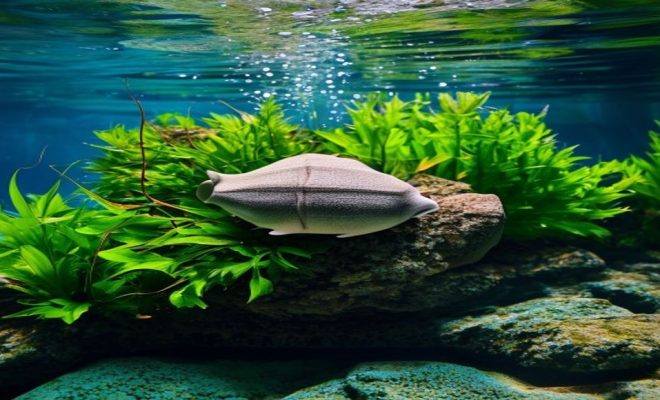
Live plants are not just aesthetically pleasing; they are instrumental in reducing nitrates in aquarium settings. Through the process of photosynthesis, aquatic plants absorb nitrates as a nutrient source. This natural method not only helps to lower nitrate levels but also enhances the overall health of your aquarium ecosystem.
Consider species known for their nitrate-absorbing properties, such as Water Sprite, Hornwort, or Java Fern. Additionally, ensure that your plants receive adequate light and nutrients to thrive. A well-planted aquarium can lead to a balanced environment, ultimately making your fish happier and healthier.
4. Utilize Denitrifying Media: Adding Special Equipment
For more advanced aquarists, employing denitrifying media can be a game-changer in the quest to reduce nitrates in aquarium habitats. These specialized substrates, often made from materials like zeolite or specific types of activated carbon, are designed to harbor beneficial bacteria that convert nitrates into nitrogen gas.
Place this media in areas with low water flow, as denitrifying bacteria thrive in anaerobic conditions. It’s worth noting that the setup may take time to establish, so you might not see immediate results. However, once established, this method can significantly decrease nitrate levels and maintain water quality long-term.
5. Control Feeding Habits: Less is Often More
Overfeeding fish is a common mistake among aquarium owners and one that can lead to elevated nitrate levels. Excess food not consumed by fish decomposes in the substrate, releasing nitrates into the water column. To reduce nitrates in aquarium, adopt a more disciplined feeding routine.
A good rule of thumb is to feed fish only what they can consume in a few minutes, once or twice a day. Monitor their eating habits; if food consistently remains uneaten, consider reducing the amount you offer. This not only helps in keeping nitrate levels down but also contributes to a cleaner tank overall. (See: CDC on healthy aquarium practices.)
6. Maintain a Balanced Stocking Level: Avoid Overcrowding
A common pitfall for aquarium hobbyists is overcrowding their tanks, which can lead to elevated nitrate levels. Each fish produces waste that contributes to nitrate accumulation; thus, a balanced stocking level is essential for a healthy aquarium. As a general guideline, consider the one-inch rule: one inch of fish per gallon of water.
Regularly assess your tank’s population and ensure that it aligns with the size of your aquarium. If you find your nitrate levels creeping up, it may be time to reconsider your stock. Removing or rehoming a few fish can dramatically improve water quality and help you maintain an enjoyable aquatic environment.
7. Consider Nitrate-Reducing Products: Chemical Solutions
If you’re struggling with persistent nitrate levels, commercial nitrate-reducing products can be effective. These chemicals are designed to bind with nitrates, facilitating their removal during routine maintenance. While these can offer quick solutions, they should ideally complement other methods rather than serve as standalone fixes.
When selecting a product, read reviews and check compatibility with your tank’s inhabitants. Some products may cause harmful side effects, so it’s essential to choose wisely. Always follow the manufacturer’s recommendations carefully, and monitor water parameters after application.
8. Regular Monitoring: Stay Ahead of the Game
The most effective way to manage nitrate levels in your aquarium is through regular monitoring. Invest in reliable test kits that measure not only nitrates but also ammonia and nitrites. Frequent testing allows you to identify problems early on, making it easier to implement corrective measures to reduce nitrates in aquarium environments.
Many aquarists recommend testing water weekly, especially in newly established tanks. However, for more mature aquariums, bi-weekly or monthly tests may suffice. Keep a log of your readings to track patterns and changes over time, helping you better understand your tank’s dynamics.
9. Explore Alternative Filtration Methods
While traditional filtration systems are fundamental, alternative filtration methods can also play a significant role in reducing nitrates in aquarium setups. One such method is the use of a sponge filter. Sponge filters provide both mechanical and biological filtration, making them particularly suitable for smaller aquariums or breeding tanks.
Another option is a fluidized bed filter, which offers excellent biological filtration by keeping filter media in constant motion, enhancing the exposure of bacteria to the water. These systems can be more effective at breaking down nitrates than standard filters, making them a worthy consideration for serious aquarists.
10. Consider a Refugium: A Separate Ecosystem
A refugium is a separate tank or compartment connected to your main aquarium that allows for additional filtration and biological activity. By adding a refugium filled with macroalgae or live rock, you can create a zone where nitrates are absorbed and processed before the water returns to your main tank. Macroalgae like Chaetomorpha can absorb significant amounts of nitrates and phosphates, aiding in maintaining a balanced environment.
Setting up a refugium can also provide a safe haven for juvenile fish and invertebrates, further contributing to the biodiversity of your aquatic ecosystem. While this method requires some additional equipment and space, the long-term benefits can greatly outweigh the initial investment.
11. Use of Nitrate-Reducing Bacteria
Introducing specialized strains of bacteria designed to consume nitrates can be another effective method to reduce nitrates in aquarium environments. Products containing live nitrifying bacteria can be added to your aquarium to enhance the biological filtration process. These bacteria convert nitrates into nitrogen gas, which is then released harmlessly into the atmosphere.
Look for products that are specifically formulated for nitrate reduction and follow the instructions carefully. Adding these bacteria can help accelerate the cycling process in new tanks and improve the nitrogen cycle in established aquariums. (See: New York Times on aquarium fish care.)
12. Understanding the Nitrogen Cycle
A solid understanding of the nitrogen cycle is crucial for any aquarium owner aiming to reduce nitrates in aquarium setups. The cycle consists of three primary processes: ammonia is converted to nitrite by bacteria, and then nitrite is converted to nitrate. While nitrates are less harmful than ammonia and nitrite, they can still be detrimental in high concentrations.
Understanding this cycle can help you recognize the importance of maintaining balance within your aquarium. You can enhance this natural process by ensuring that your biological filtration is robust and that beneficial bacteria are present in sufficient numbers. Regular testing and monitoring can also help keep the nitrogen cycle functioning effectively.
13. Incorporate Fish Species That Help Control Nitrate Levels
Some fish species actively help in controlling nitrate levels, either by consuming algae or through their waste. For instance, certain species of shrimp, like Amano shrimp, are known for their algae-eating habits, which can help keep nitrate levels in check. Additionally, snails can also contribute by consuming leftover food and detritus, thereby reducing organic matter that could lead to nitrate production.
Including these species in your aquarium not only enhances its biodiversity but can also serve as a natural way to combat nitrate accumulation. Just ensure that any new species added are compatible with your existing tank inhabitants.
14. Frequently Asked Questions (FAQ)
What is considered a safe nitrate level for freshwater aquariums?
For freshwater aquariums, it’s generally recommended to keep nitrate levels below 20 ppm (parts per million) for most fish species. Levels above this can lead to stress and health problems for your aquatic inhabitants.
How can I quickly lower high nitrate levels?
If you find yourself with high nitrate levels, performing a significant water change is often the quickest solution. Additionally, implementing some of the strategies mentioned in this article, like adding live plants or using denitrifying media, can help achieve long-term reductions.
Are there any specific plants that are best for absorbing nitrates?
Yes, certain plants are particularly effective at absorbing nitrates. Fast-growing species like Hornwort, Water Hyacinth, and Elodea are excellent choices as they use nitrates as a nutrient source, helping maintain lower levels in your aquarium.
How often should I test my aquarium water for nitrates?
Testing your aquarium water weekly is a good practice, particularly for newly established tanks. As your aquarium matures, testing can be reduced to bi-weekly or monthly, depending on your tank’s stability.
Can I use plants and chemicals simultaneously to control nitrates?
Yes, combining plants with chemical solutions can be an effective strategy. While plants absorb nitrates naturally, using chemical treatments can provide a quick fix for high levels while your plants work to maintain balance over time.
15. The Role of Aeration in Nitrate Management
Aeration is often overlooked when discussing nitrate management, yet it plays a vital role in maintaining a healthy aquarium environment. By increasing the oxygen levels in the water, you facilitate the growth of aerobic bacteria, which can help in the breakdown of organic waste before it has the chance to convert to nitrates. Using air stones or surface agitation can greatly enhance oxygen exchange in the tank. (See: ScienceDirect on aquarium management.)
Additionally, a well-aerated tank can help reduce the likelihood of dead zones, areas in the aquarium where water circulation is poor, and waste may accumulate. Keeping your aquarium well-aerated not only benefits your fish but can also support the overall health of your biological filtration system.
16. How to Handle Algae Blooms Linked to Nitrates
If you’re struggling with algae blooms in your aquarium, high nitrate levels are often a contributing factor. Algae thrive on excess nutrients, including nitrates, so managing your nitrate levels can significantly reduce algae growth. To tackle existing algae, consider manually removing it during water changes and reducing the light exposure for a few days.
Limit the use of fertilizers; although they are beneficial for plants, they can also contribute to algae growth if not managed properly. Implementing some of the strategies outlined earlier—like using live plants, controlling feeding habits, and maintaining a balanced stocking level—will help in preventing future algae blooms.
17. Utilizing Natural Nitrate Absorbers
There are other innovative methods to reduce nitrates in aquarium systems using natural elements. For example, adding a layer of crushed coral or aragonite substrate can help buffer your water, leading to a more stable pH and overall water quality. While these materials don’t directly reduce nitrates, they promote a healthier biological environment that can naturally lower nitrate levels.
Another option is the use of bioballs in your filtration system. These provide ample surface area for beneficial bacteria to thrive, which can facilitate the natural breakdown of nitrates.
18. How Temperature Affects Nitrate Levels
Temperature can significantly influence the biological processes in your aquarium, including the breakdown of nitrates. Bacteria that perform the nitrification process tend to be more active in warmer water, which can help in the conversion of waste into nitrates. However, excessively high temperatures can lead to stress for your fish and a spike in nitrates due to increased metabolic waste. Aim to maintain a stable, species-appropriate temperature to optimize the balance of beneficial bacteria in your aquarium.
19. Understanding the Impact of Tap Water on Nitrate Levels
If you’re using tap water for your aquarium, it’s essential to check the nitrate levels in your source water. Some municipal water supplies have elevated nitrate levels, which can significantly contribute to the problem. Consider using a water testing kit to assess your tap water before adding it to your tank. If necessary, utilize reverse osmosis (RO) systems or other filtration methods to lower nitrate levels in your water prior to filling your aquarium.
20. Final Thoughts on Nitrate Management
Ultimately, managing nitrates in your aquarium is all about creating a balanced ecosystem. By implementing these strategies, you’ll not only reduce nitrates in aquarium systems but also foster a vibrant and healthy environment for your aquatic life to thrive. Remember, it’s a journey—patience and consistent efforts will lead to success!
“`
Trending Now
Frequently Asked Questions
How can I lower nitrates in my fish tank?
To lower nitrates in your fish tank, perform regular water changes, ideally 10-15% weekly, to dilute nitrate levels. Additionally, invest in a quality filtration system that includes biological filtration to promote beneficial bacteria that convert nitrates into nitrogen gas.
What are the best ways to reduce nitrates in an aquarium?
The best ways to reduce nitrates in an aquarium include regular water changes, using high-quality filters, introducing live plants that absorb nitrates, and maintaining proper feeding schedules to avoid overfeeding your fish.
Why are nitrates harmful to aquarium fish?
Nitrates can be harmful to aquarium fish as they can lead to poor water quality, causing stress and health issues. High nitrate levels are often linked to algae blooms, which can deplete oxygen and harm aquatic life.
How often should I change water to reduce nitrates?
To effectively reduce nitrates, it is recommended to change 10-15% of the aquarium water weekly. For heavily stocked tanks, more frequent changes may be necessary to maintain water quality and health.
Do live plants help reduce nitrates in aquariums?
Yes, live plants can help reduce nitrates in aquariums as they absorb nitrates for growth. Including a variety of aquatic plants in your tank can contribute to a healthier environment and lower nitrate levels.
Agree or disagree? Drop a comment and tell us what you think.