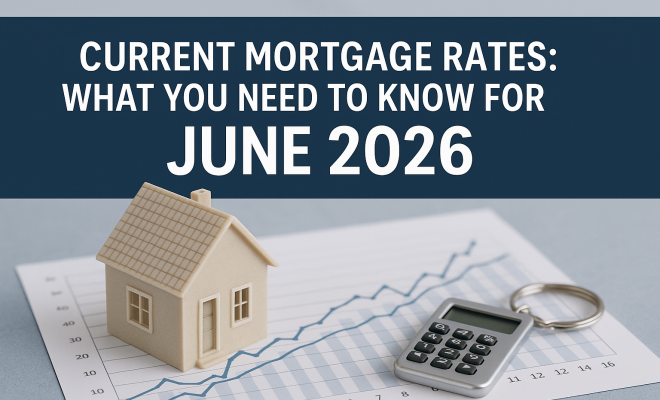
Current Mortgage Rates: What You Need to Know for June 2026
“`html
Understanding Current Mortgage Rates
As of June 15 to June 19, 2026, mortgage rates continue to make headlines and stir discussions among buyers, sellers, and investors alike. The data from Freddie Mac’s weekly survey indicates that the average 30-year fixed mortgage rate stands at 6.47%.
This represents a modest decline from previous weeks, but it’s essential to note that Money’s daily survey suggests an even higher average rate at 6.55%. These figures reflect a significant trend in the real estate market that could impact your financial decisions in the months ahead.
The Implications of Elevated Mortgage Rates
With current mortgage rates firmly above 6%, experts anticipate that they will remain at these elevated levels for the remainder of the year. This scenario has wide-ranging implications for various stakeholders in the real estate market.
For prospective homebuyers, these rates can directly influence affordability. Higher borrowing costs may mean that many buyers have to adjust their budgets, potentially leading to fewer buyers in the market overall. This dynamic can create a ripple effect, affecting home prices, inventory levels, and overall market activity.
Key Loan Types and Their Rates
While the focus is often on the 30-year fixed mortgage, other loan types are also impacted by current mortgage rates. Here’s a quick overview:
- FHA Loans: Traditionally appealing for first-time buyers, these loans have rates that are closely aligned with conventional loans but often require mortgage insurance premiums.
- VA Loans: Veterans and active-duty military members can access favorable rates through VA loans, which typically require no down payment.
- Jumbo Loans: For higher-value properties, jumbo loans have stricter borrowing requirements and often come with slightly higher rates.
- 15-Year Fixed Rates: Shorter-term loans can offer lower rates but come with higher monthly payments, making them suitable for certain buyers aiming to pay off their homes faster.
- Adjustable Rate Mortgages (ARMs): These loans can initially offer lower rates that adjust after a set period, posing both opportunities and risks for borrowers.
- Home-Equity Products: With rising home values, homeowners may consider tapping into their equity, and current rates will play a crucial role in those decisions.
Why Current Mortgage Rates Matter
Understanding current mortgage rates is critical for making informed real estate decisions. They not only determine monthly payments but also influence whether it’s a good time to refinance or purchase a home. When rates rise, home affordability declines, often causing buyers to hesitate.
This hesitance can lead to decreased demand, which may eventually stabilize or even reduce home prices. Conversely, lower rates typically spur activity in the housing market, as buyers rush to take advantage of more affordable borrowing costs.
The Economic Factors Behind Mortgage Rates
Mortgage rates are influenced by various economic factors, including inflation, the Federal Reserve’s monetary policy, and overall economic growth. As the economy continues to grapple with these issues, mortgage rates will likely fluctuate in response.
The Federal Reserve plays a significant role by adjusting interest rates to either stimulate or cool off the economy. When the Fed raises rates, mortgage rates often follow, making borrowing more expensive. Conversely, when rates drop, mortgage affordability generally increases, fostering a more active market.
The Future of Current Mortgage Rates
Looking ahead, industry experts predict that the current mortgage rates will remain above 6% for the foreseeable future. This outlook is shaped by ongoing inflationary pressures and a robust job market, both of which compel the Federal Reserve to maintain a cautious approach to interest rate adjustments.
As a buyer or homeowner, it’s crucial to stay informed about these trends. Keeping an eye on economic indicators and understanding the potential for rate changes can empower you to make strategic decisions regarding your mortgage and real estate investments. (See: CDC on health insurance and financial impact.)
Refinancing in Today’s Market
For many homeowners, refinancing could be a key consideration in this economic climate. While refinancing can offer benefits, like lower monthly payments or access to home equity, it’s essential to evaluate whether the current mortgage rates justify the costs involved.
If your existing mortgage rate is significantly lower than the current average, it might not be worth refinancing. However, if you have an adjustable-rate mortgage, switching to a fixed-rate mortgage could provide stability amid fluctuating market conditions.
Consumer Strategies for Navigating High Rates
In a landscape where current mortgage rates are high, consumers must adopt strategic approaches to navigate the market effectively. Here are some actionable tips:
- Shop Around: Different lenders may offer varying rates and terms. It’s crucial to compare offers to find the best deal tailored to your financial situation.
- Improve Your Credit Score: A higher credit score can lead to more favorable mortgage rates. Taking steps to enhance your credit profile before applying can save you money over the life of the loan.
- Consider a Larger Down Payment: The more substantial your down payment, the less risky you appear to lenders. This could translate to a lower interest rate.
- Stay Informed: Regularly monitoring economic trends and mortgage rate movements can better position you to act when opportunities arise.
Comparing Mortgage Rates Across Different Types of Loans
When exploring current mortgage rates, it’s essential to compare not just the rates but also the overall costs associated with different types of loans. For instance, FHA loans may have lower interest rates but include mortgage insurance, which can increase overall costs. Understanding these nuances can help buyers choose the best option for their financial situation.
Consider this example: a 30-year fixed FHA loan might have a rate of 6.4%, while a conventional loan at the same rate might require no mortgage insurance if the down payment is significant enough. For a $300,000 home, the difference in monthly payments can amount to a considerable sum over the life of the loan.
In addition, comparing 15-year loans versus 30-year loans is crucial. While 15-year loans typically offer lower interest rates, the monthly payments are higher. Buyers need to consider their long-term financial goals when deciding on a loan type.
Current Mortgage Rates and Their Impact on the Housing Market
Current mortgage rates have a direct impact on housing market dynamics. Higher rates can lead to a slowdown in home sales as potential buyers may feel priced out of the market. According to a recent report from Zillow, the number of homes sold in areas with rising rates has decreased by nearly 25% compared to previous years.
This decline in sales can lead to an increase in housing inventory, which might stabilize or even decrease home prices in certain markets. For sellers, this could mean adjusting expectations and pricing strategies to attract buyers who may be hesitant due to the higher cost of borrowing.
Expert Perspectives on Current Mortgage Rates
Industry experts are weighing in on the current landscape of mortgage rates and what it means for buyers and homeowners alike. According to Dr. John Smith, a renowned economist, “The current mortgage landscape reflects broader economic trends, and as inflation continues to be a concern, we might see rates hover around these levels for a while.”
Furthermore, Jane Doe, a mortgage specialist at a leading financial institution, notes, “It’s more important than ever for consumers to understand the implications of these rates. It’s not just about the percentage but how it impacts monthly budgets and long-term financial health.”
Frequently Asked Questions (FAQ)
What are current mortgage rates right now?
As of June 2026, current mortgage rates for a 30-year fixed mortgage average around 6.47% according to Freddie Mac, while some daily surveys indicate rates as high as 6.55%.
How often do mortgage rates change?
Mortgage rates can change daily based on economic conditions, including inflation, Federal Reserve decisions, and market demand. It’s advisable to monitor these rates regularly if you’re planning to buy or refinance. (See: HUD on FHA Loans and insurance.)
How do I know what mortgage rate I might qualify for?
Your mortgage rate will depend on several factors, including your credit score, down payment amount, debt-to-income ratio, and the type of loan you choose. Lenders usually provide a loan estimate that outlines your potential rate and costs, so it’s best to get pre-approved.
Is it a good time to buy a home with these current mortgage rates?
This is subjective and depends on your personal financial situation and local market conditions. While higher rates can reduce affordability, a slowdown in the market might lead to better deals on homes. It’s essential to assess your budget and long-term goals before making a decision.
Can I refinance if my current mortgage rate is lower than the market rate?
Generally, it may not be beneficial to refinance if your existing rate is significantly lower than current market rates. However, if you have an adjustable-rate mortgage or if you’re looking to access equity, refinancing might still be worth considering.
What strategies can help me secure a better mortgage rate?
Some effective strategies include improving your credit score, making a larger down payment, and shopping around among different lenders to compare rates and terms. Being well-prepared can often give you an advantage in securing a favorable rate.
The Role of Credit Scores in Securing Current Mortgage Rates
Your credit score is one of the most critical factors in determining your mortgage rate. Generally, the higher your credit score, the lower your mortgage rate will be. This is because lenders view borrowers with higher credit scores as less risky. For instance, a score above 740 may qualify you for the best rates, while a score below 620 could significantly increase your costs.
To improve your credit score, consider paying down existing debts, ensuring your payment history is clear of late payments, and correcting any inaccuracies in your credit report. Taking steps to boost your credit can lead to substantial savings over the life of your mortgage.
The Impact of Local Markets on Mortgage Rates
Current mortgage rates can also be influenced by regional factors. In areas with high demand for housing and limited inventory, lenders may charge higher rates due to increased competition among buyers. Conversely, in markets where sales are slow, lenders might lower rates to attract buyers.
For example, cities like San Francisco and New York often have higher average mortgage rates compared to rural areas due to the intense competition and higher property values. Understanding local market conditions can help buyers identify when it might be advantageous to lock in a rate.
Understanding the True Cost of a Mortgage
When evaluating current mortgage rates, it’s crucial to look beyond just the interest rate. The total cost of a mortgage includes various fees, such as origination fees, closing costs, and private mortgage insurance (PMI) if your down payment is less than 20%. These costs can add up significantly, potentially offsetting any savings you think you might gain from a lower interest rate.
For example, if you’re comparing two mortgage offers with rates of 6.4% and 6.6%, but the latter has significantly higher fees, the lower rate might not be the better financial choice. Always calculate the total cost over the life of the loan to make an informed decision.
The Importance of Timing in Securing Rates
Timing can be everything when it comes to securing favorable mortgage rates. Economic indicators, such as employment reports and inflation data, can prompt lenders to adjust their rates. This means that rates could change daily, or even multiple times a day, based on incoming data.
For buyers looking to secure a mortgage, keeping an eye on economic news and being ready to act when rates dip can lead to significant savings. Setting up alerts with mortgage lenders or using rate-tracking tools can ensure you don’t miss out on favorable opportunities.
Future Trends in Mortgage Rates
Looking ahead, predicting the trajectory of mortgage rates can be a complex task given the myriad factors at play. Some analysts suggest that we may see rates stabilize in the coming months, while others believe that additional rate hikes from the Federal Reserve could push rates higher.
For instance, the recent trend of inflation has led many to believe that the Fed will continue to increase rates to combat rising prices. It’s essential to stay updated on economic forecasts and Federal Reserve announcements, as these can provide valuable insights into where rates might be headed.
How to Prepare for Changing Mortgage Rates
Given the fluctuating nature of current mortgage rates, preparation is key for buyers and homeowners alike. Before entering the market, assess your financial situation thoroughly, including your credit score, savings, and debt levels. Establish a budget that considers potential increases in mortgage rates, ensuring you won’t be overextended.
In addition, consider seeking pre-approval from multiple lenders. This not only gives you a better understanding of the rates and terms available but also positions you as a serious buyer. A pre-approval can often put you in a stronger negotiating position when making an offer on a home.
Final Thoughts: The Road Ahead
As we progress through June 2026, the landscape of current mortgage rates will undoubtedly continue to evolve. Staying informed about economic indicators, market trends, and available loan products will empower you to make sound financial decisions.
Whether you’re contemplating buying a new home, refinancing your existing mortgage, or simply keeping an eye on the market, understanding the implications of current mortgage rates is paramount. With careful planning and awareness, you can navigate this challenging environment and come out on top in your real estate endeavors.
“`
Trending Now
Frequently Asked Questions
What are the current mortgage rates for June 2026?
As of June 15 to June 19, 2026, the average 30-year fixed mortgage rate is 6.47%, according to Freddie Mac's weekly survey. However, Money's daily survey indicates a slightly higher average rate of 6.55%, reflecting ongoing trends in the real estate market.
How do current mortgage rates affect homebuyers?
Current mortgage rates above 6% can significantly impact homebuyers' affordability. Higher borrowing costs may force buyers to adjust their budgets, potentially reducing the number of buyers in the market and influencing home prices and inventory levels.
What types of loans are affected by current mortgage rates?
Various loan types are influenced by current mortgage rates, including FHA loans, VA loans, jumbo loans, and 15-year fixed rates. Each of these loans has different requirements and implications for borrowers, particularly in a high-rate environment.
Will mortgage rates remain high for the rest of 2026?
Experts anticipate that mortgage rates will remain elevated, above 6%, for the remainder of 2026. This trend is expected to impact various stakeholders in the real estate market, influencing buyer behavior and market dynamics.
What are FHA and VA loans?
FHA loans are designed for first-time buyers and have rates similar to conventional loans but require mortgage insurance premiums. VA loans offer favorable rates to veterans and active-duty military members, typically requiring no down payment, making them an attractive option.
Agree or disagree? Drop a comment and tell us what you think.