How to take professional selfies
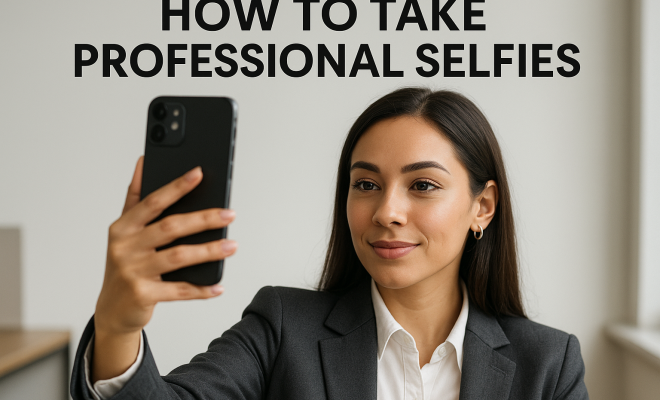
“`html
1. Invest in the Right Equipment
When it comes to capturing professional selfies, the equipment you use can make a significant difference. While you might think a high-end camera is essential, today’s smartphones come equipped with powerful cameras that can produce excellent images. Look for models with features like multiple lenses, optical zoom, and advanced editing capabilities. If you’re serious about photography, consider investing in a standalone camera, such as a mirrorless or DSLR camera, which gives you more control over your shots.
In addition to your main camera, accessories can enhance your selfie game. A tripod can stabilize your shots, preventing shaky images that are often associated with handheld photos. A ring light or softbox can illuminate your face evenly, reducing shadows and highlighting your features for a more polished look. Even a simple selfie stick can provide better angles and distance, especially for group selfies.
2. Master Your Lighting
Lighting is one of the most crucial elements in photography, and professional selfies are no exception. Natural lighting is often the most flattering; try taking your selfies near windows or outdoors during the golden hour—shortly after sunrise or before sunset—when the light is soft and warm. Avoid harsh midday sunlight that can create unflattering shadows on your face.
If natural light isn’t available, consider using artificial lighting sources. A ring light is particularly popular among beauty influencers because it produces even lighting and highlights facial features. Experiment with different light sources to find what works best for your skin tone and the mood you want to convey in your selfie.
In fact, did you know that most photographers agree that the right lighting can elevate a photo from average to exceptional? A study found that selfies taken in natural light received 30% more engagement online. So, don’t underestimate the power of good lighting!
3. Choose the Right Background
The background of your selfie can make or break the image. A cluttered or distracting background can take away from your subject—you. Instead, choose a simple, clean background that complements your outfit and the mood you’re trying to create. Neutral colors, textures, or natural settings like parks or beaches often work best.
If you want to add a bit of personality, consider using backdrops that reflect your interests or style, such as a colorful mural or intriguing architectural features. Just ensure that the background doesn’t overshadow you. The focus should always be on you, so feel free to blur the background slightly if your camera allows it.
For those looking to get creative, consider a backdrop that tells a story. A bookshelf filled with your favorite books or a wall filled with travel photos can provide context and make your selfie more engaging. It’s all about showcasing who you are beyond just your appearance.
4. Find Your Best Angles
Every person has angles that are more flattering than others. The key to taking professional selfies is knowing your best angles and practicing until you’re comfortable with them. Start by experimenting with different positions—hold your camera slightly above your eye level for a more flattering perspective, as it can elongate your neck and create a more defined jawline.
Try turning your head slightly instead of facing the camera straight on. This can add depth to your selfies. Don’t hesitate to practice in front of a mirror to figure out what angles work best for you. Remember, confidence shines through in photos, so find angles that showcase your personality and make you feel good.
Statistics show that selfies taken from above tend to receive more likes on social media, often because they create a more appealing visual perspective. So, don’t be afraid to elevate your camera (both literally and figuratively) to find that perfect angle.
5. Pay Attention to Composition
Composition refers to how you arrange elements within your frame. For professional selfies, consider using the rule of thirds: imagine your image divided into three equal parts both horizontally and vertically, and place your face along those lines or at their intersections. This technique creates more balanced, engaging photos.
Don’t forget to include some variability in your selfies. You can crop different parts of your image, focus on a particular detail like your accessories, or use leading lines, such as pathways or fences, to guide the viewer’s eye toward you. Creative compositions can elevate your selfies from casual snapshots to professional-looking portraits. (See: tips for taking better selfies.)
Comparing your selfies with those of professional photographers can help you understand the nuances of composition better. Observe how they frame their subjects and use surrounding elements to enhance the storytelling aspect of their images.
6. Edit Like a Pro
Post-production edits can take a good selfie and turn it into a great one. After capturing your selfie, use photo editing apps to adjust brightness, contrast, and saturation to make your image pop. Apps like Adobe Lightroom, VSCO, or Snapseed offer user-friendly tools that can help enhance your selfies without making them look overly edited.
While editing is essential, it’s crucial to avoid overdoing it. Excessive filters or corrections can make your selfie look unnatural. Aim for subtle enhancements that keep the essence of your original photo intact. Additionally, consider cropping your image to improve composition or eliminate distractions.
Interestingly, many influencers report that their engagement rates improve significantly after editing their photos. A survey indicated that up to 70% of users prefer polished images over raw captures when it comes to social media. So, even a little touch-up can go a long way!
7. Be Authentic
Lastly, the most important element of a professional selfie is authenticity. While it’s tempting to pose or filter your way to perfection, showing your true self can be more engaging and relatable. Smile, laugh, or express genuine emotions that reflect your personality. Authentic selfies resonate better with viewers and foster connections.
Consider sharing a little story or context behind your selfie. Whether it’s your favorite coffee shop or a memorable trip, letting viewers in on your experiences adds a layer of depth to your images. Remember, professional selfies don’t just show what you look like; they convey who you are.
Authenticity is not just a buzzword; studies show that audiences tend to engage more with genuine content. In fact, a survey revealed that 65% of social media users prefer authentic images over heavily edited ones. So, embrace your quirks and let your personality shine through!
8. Stay Updated with Trends
As with any art form, photography trends evolve over time. Staying updated with current styles and techniques can give your selfies a fresh perspective. Follow popular social media platforms like Instagram or TikTok to see what new trends are emerging in the world of photography.
Popular trends may include specific editing styles, poses, or even themes. For example, candid shots have recently gained popularity, where rather than posing, you capture spontaneous moments. Adapting to these trends allows you to keep your content engaging and relevant. However, while it’s good to be aware of trends, don’t feel pressured to follow them if they don’t resonate with your personal style.
Keep an eye on seasonal trends as well. As holidays and events come and go, the way people approach selfies often changes. For instance, during summer, colorful and vibrant themes are popular, while autumn often inspires cozy, warm tones.
9. Practice Makes Perfect
Finally, the most effective way to improve your selfie skills is through practice. The more you take selfies, the more you’ll learn about your preferences, strengths, and weaknesses. Don’t be afraid to experiment with different styles, lighting, and angles. Over time, you’ll develop a better intuition for what works best for you.
Consider creating a dedicated time for taking selfies, whether it’s a weekly photoshoot or spontaneous moments throughout the day. Document your journey to see how much you’ve improved. Ultimately, practice will not only refine your skills but also help you find joy in the process of creating professional selfies.
Many photographers recommend keeping a visual diary of your selfies. By reviewing your progress over time, you can see what worked, what didn’t, and how your style has evolved. It’s a fantastic way to recognize your growth and to keep pushing your creative boundaries!
10. Understanding Filters and Effects
With the rise of social media, filters have become an integral part of selfie culture. While they can enhance your images, it’s important to use them wisely. Many popular apps include filters that can change the mood of your selfie dramatically. For instance, a filter that brightens the image can give a fresh, youthful appearance, while a darker filter can create a moody atmosphere. Decide what vibe you want to convey and choose your filters accordingly. (See: Harvard University's research on photography.)
Also, consider how filters can obscure your true self. Some filters can exaggerate features or even alter your skin tone, leading to unrealistic portrayals. Aim for a balance where the filter enhances your natural beauty without making you unrecognizable. This authenticity is crucial in building a genuine connection with your audience.
It’s fascinating to note that recent studies have revealed an increasing preference for ‘no-filter’ selfies, as audiences crave realness in a world saturated with curated images. This shift highlights the growing trend towards valuing authenticity over perfection.
11. Incorporate Props and Accessories
Sometimes, adding a prop or accessory can significantly elevate your selfie game. Whether it’s a trendy hat, a meaningful book, or a fun accessory, these elements can help tell a story and provide context to your image. Props can also give your hands something to do, which can make you feel less awkward while posing.
For instance, if you’re capturing a selfie at a concert, holding a concert ticket or a drink can encapsulate the moment beautifully. If you’re at a café, including a pastry or your favorite mug can add a homely touch. Just ensure the props do not overshadow you; they should complement the photo rather than dominate it.
Experimenting with different props can also lead to discovering new themes for your selfies. For example, seasonal props like pumpkins in the fall or flowers in the spring can provide a fresh twist to your images and keep your content seasonal and relevant.
12. Utilize Selfie Challenges
Participating in selfie challenges can be a fun way to practice and hone your skills. Many social media platforms host monthly or weekly challenges where users are prompted to take selfies based on specific themes or styles. These challenges can push you out of your comfort zone and inspire creativity.
For example, a “black and white selfie” challenge encourages you to focus on composition and expression without the distraction of color. Or a “throwback selfie” may inspire you to revisit older photos and reimagine them with your current skills. Engaging in these challenges can not only improve your photography skills but also connect you with a community of fellow selfie enthusiasts.
Additionally, consider hosting your own challenges with friends or followers to foster engagement and fun. Creating themes or prompts can inspire everyone to get creative and share their interpretations, strengthening community bonds.
13. Explore Different Styles
There are numerous styles of selfies you can experiment with to find what resonates with you. From traditional posed selfies to creative angles and candid shots, each style offers a unique way to express yourself. Consider exploring styles like close-ups, full-body shots, or even still life selfies that focus on objects that represent you.
Additionally, try out different themes. Seasonal themes, such as summer beach vibes or cozy winter aesthetics, can provide an exciting context for your selfies. Using different styles and themes not only enhances your creativity but also keeps your photo collection fresh and diverse.
Experts also suggest looking at different cultural styles of photography, as they can inspire new ways to express yourself. For instance, observing how different cultures celebrate identity through portraiture can influence your approach to selfies.
14. Statistics on Selfies
Understanding the impact of selfies on social media can help you appreciate their importance. Did you know that according to a study conducted in 2020, nearly 93 million selfies are taken every day globally? And this number has only increased with the rise of smartphone usage. Selfies play a pivotal role in social media engagement, with posts containing selfies receiving 38% more engagement compared to those without.
Additionally, research indicates that selfies can boost self-esteem and body image when shared and received positively. This has sparked debates on the psychological effects of selfies, with many experts advocating for mindful sharing practices. Knowing these statistics can help you understand the broader landscape of professional selfies and their significance in today’s digital world. (See: scientific studies on photography techniques.)
Interestingly, studies show that the popularity of selfies is not just a trend; they have become a fundamental aspect of how we market ourselves online. In 2021, data indicated that 80% of millennials feel more confident when sharing selfies, which further highlights the cultural shift towards self-expression through photography.
15. FAQ: Common Questions About Professional Selfies
Q1: What are the best times to take selfies?
A1: The best times to take selfies are during the golden hours, shortly after sunrise or before sunset. The light is softer and more flattering during these times. If indoors, try to position yourself near natural light sources, like windows.
Q2: How can I improve my selfie skills?
A2: Improving your selfie skills takes practice. Experiment with different lighting, angles, and backgrounds to discover what works best for you. Don’t hesitate to take multiple shots to identify your best look.
Q3: Are there specific apps for editing selfies?
A3: Yes, there are many apps available for editing selfies, including Snapseed, Adobe Lightroom, and VSCO. These apps offer various features to enhance your photos, from basic adjustments to advanced filters.
Q4: How can I appear more confident in selfies?
A4: Confidence can be conveyed through body language. Stand tall, smile genuinely, and try to relax your facial muscles. Practicing in front of a mirror can also help you become more comfortable with your expressions and poses.
Q5: Should I use filters on my selfies?
A5: Filters can enhance your selfies but use them sparingly. Aim for a balance that enhances your natural beauty without making you look overly edited. Authenticity resonates more with viewers.
Q6: What should I do if I’m not happy with my selfies?
A6: If you’re not satisfied with your selfies, don’t be discouraged. Try different techniques, such as changing your angle, lighting, or background. Remember, photography is a skill that improves with practice.
Q7: How can I incorporate storytelling into my selfies?
A7: To incorporate storytelling, think about the context of your selfie. Share snippets of your day or an anecdote that relates to the moment captured. This adds depth and makes your selfies more engaging.
Q8: What if I want to take professional-looking selfies without a lot of editing?
A8: Focus on getting the right lighting and background when taking the photo. Natural light and clean backgrounds can make a selfie look professional without heavy editing. Also, practicing your angles and expressions can drastically improve the quality of your photos.
“`
Trending Now
Frequently Asked Questions
What equipment do I need for professional selfies?
For professional selfies, invest in a good smartphone with advanced camera features or a standalone camera like a mirrorless or DSLR. Accessories like a tripod, ring light, or selfie stick can enhance your shots by providing stability, better lighting, and improved angles.
How important is lighting for taking selfies?
Lighting is crucial for selfies. Natural light, especially during the golden hour, is most flattering. If natural light isn't available, using artificial lighting like a ring light can help create even illumination and highlight your features.
What are the best tips for taking selfies?
To take great selfies, focus on good lighting, choose flattering angles, and consider your background. Use a tripod for stability, and experiment with different poses to find what works best for you. Editing tools can also help enhance your final image.
How can I improve my selfie skills?
Improving your selfie skills involves practicing with different angles and lighting. Use natural light whenever possible, try various expressions, and consider using accessories like a ring light or tripod for better results. Analyze your selfies to see what works best.
What is the best time of day to take selfies?
The best time to take selfies is during the golden hour, shortly after sunrise or before sunset, when the light is soft and warm. This lighting minimizes harsh shadows and creates a more flattering look for your photos.
What did we miss? Let us know in the comments and join the conversation.