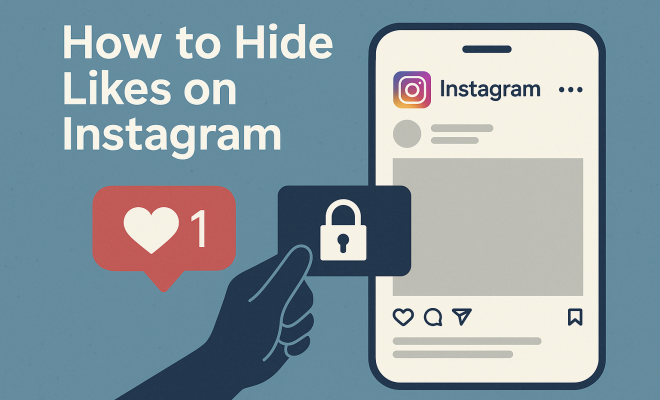
How to hide likes on Instagram
“`html
In the age of social media, your online presence has never been more scrutinized. Instagram, one of the leading platforms, has introduced features that cater to user preferences, particularly when it comes to privacy and mental health. A significant concern for many users is the pressure to gain likes on their posts. Fortunately, there’s a way to hide likes on Instagram, allowing you to take a step back from the numbers game and focus on what truly matters: sharing authentic moments. In this comprehensive guide, we’ll explore how to hide likes on Instagram, the background of this feature, and its implications for users.
1. The Shift in Instagram’s Approach: A Background
Instagram initially became popular as a visual platform emphasizing likes and shares. Over time, however, the obsession with likes led to concerns about mental health, particularly among younger users. In 2019, Instagram began experimenting with hiding like counts in select countries, aiming to reduce the pressure to gain validation through likes. This experiment sparked a global conversation about mental well-being, social validation, and the nature of online interactions.
The primary goal was simple: by hiding likes, users could focus more on content creation and connection rather than on how many likes their posts received. This shift aligns with a broader trend in social media towards fostering healthier online environments.
2. How to Hide Likes on Instagram: Step-by-Step Instructions
If you’re ready to embrace this new approach, here’s how to hide likes on Instagram. The process is straightforward and can be done in just a few taps:
- Open the Instagram App: Make sure you’re logged into your account.
- Go to Settings: Tap on your profile icon, then the three horizontal lines in the top right corner, and select ‘Settings’.
- Select Privacy: In the settings menu, choose ‘Privacy’.
- Hidden Likes: Scroll down to ‘Posts’, and you’ll see an option that says ‘Hide Like and View Counts’. Toggle this option on.
After completing these steps, like counts will be hidden from your posts and from those you follow. It’s important to note that you can still see the likes on your own posts if you wish, but others won’t be able to view these numbers.
3. Benefits of Hiding Likes: Why It Matters
The decision to hide likes on Instagram comes with several noteworthy benefits. Firstly, it can significantly relieve the pressure to compete for likes, fostering a more authentic sharing environment. Users are less likely to curate their content solely for approval, allowing for more creativity and genuine expression.
Moreover, this feature can contribute to improved mental health. Studies have shown that social media can lead to anxiety and depression, especially among younger users who may equate their self-worth with digital validation. By hiding likes, Instagram encourages a shift in focus from comparison to connection.
A study conducted by the Royal Society for Public Health found that Instagram is one of the most detrimental social media platforms for mental health. The findings highlighted the correlation between high engagement metrics and increased feelings of inadequacy among users. Hiding likes can potentially combat this trend by encouraging more positive interactions.
4. Impact on Influencers and Brands: A New Landscape
While the feature to hide likes has numerous benefits for individual users, it fundamentally changes how influencers and brands operate on the platform. For influencers, the ability to measure success through engagement rather than sheer numbers may lead to a shift in content strategy. Instead of worrying about how many likes a post receives, influencers can concentrate on building a loyal and engaged community. (See: Instagram's decision to hide likes.)
For brands, this could mean reevaluating how they assess partnerships and campaigns. Instead of focusing solely on likes, brands may look at other metrics, such as comments, shares, and overall engagement rates, to gauge success. This shift could lead to more authentic partnerships between brands and influencers, where the emphasis is on aligning values and building relationships rather than purely numerical success.
For instance, a brand collaborating with an influencer might prioritize the influencer’s ability to engage their audience through meaningful dialogue and storytelling. This could lead to more authentic brand narratives that resonate better with consumers, fostering loyalty and trust.
5. Limiting Visibility: Beyond Likes
Hiding likes is just one aspect of Instagram’s broader privacy features. Users can also control who can see their posts and stories. By switching accounts from public to private, you limit visibility to only those who follow you, offering another layer of privacy and control over your social media presence.
In addition, Instagram allows users to filter comments, block unwanted interactions, and manage who can tag them in posts. These tools work in tandem with the ability to hide likes, enabling users to curate their online experience actively. For example, if someone is experiencing harassment or negativity in their comments, they can filter out specific words, creating a safer space for their interactions.
6. Reactions and Feedback: User Perspectives
The response to the ability to hide likes on Instagram has been mixed. Many users appreciate the reduction in pressure and are grateful for the added focus on content quality. Others, especially influencers and marketers, express concern about losing a quantifiable measure of engagement.
Surveys conducted by various social media analysts indicated that a significant portion of users value the likes feature for its ability to provide feedback on their content. However, the conversation has shifted from the number of likes to the quality of interactions, indicating a potential evolution in how social media is perceived.
In a recent survey, around 65% of users indicated that they felt more comfortable sharing their content without the worry of immediate judgment based on likes. This suggests that even though likes might seem important, the overall sentiment trends towards valuing personal expression over numerical validation.
7. Alternatives to Likes: Exploring Engagement Metrics
As likes are hidden, engagement can still be measured through various other metrics. Comments, shares, and saves are powerful indicators of how well content resonates with audiences. Additionally, Instagram Stories and IGTV provide interactive features like polls and questions, allowing users to engage in real-time.
Brands and influencers are encouraged to explore these alternative metrics, as they can provide more comprehensive insights into audience behavior and preferences. For instance, focusing on comments can lead to deeper conversations and stronger community building.
In fact, research from marketing firms has shown that posts with higher comment engagement lead to increased brand loyalty and community attachment. This indicates that fostering dialogue can be more beneficial than obsessing over likes, shifting the paradigm of social media success. (See: Impact of hiding likes on mental health.)
8. The Future of Hiding Likes on Instagram: What’s Next?
The future of hiding likes on Instagram seems promising. With growing concerns about mental health and digital well-being, we can expect more social media platforms to adopt similar features. As user feedback continues to shape platform policies, Instagram may introduce additional tools to enhance user experiences.
Moreover, the ongoing dialogue about social media’s impact on society suggests that users will demand more control over their online identities. As such, Instagram and other platforms will likely continue to innovate to meet these expectations, making social media a more inclusive space for genuine connections.
9. Tips for Embracing the Change: Making the Most of Hiding Likes
Transitioning to a platform where likes are hidden can feel daunting, especially if you’re accustomed to using likes as a measure of success. Here are some practical tips for making the most of this change:
- Focus on Creating Quality Content: Without the pressure of likes, you have the freedom to experiment with your content. Try different styles, themes, or subjects that resonate with you rather than what you think will get the most likes.
- Engage with Your Audience: Use your captions to ask questions and encourage conversations. This can help build a sense of community and connection with your followers.
- Utilize Instagram Stories: Stories can be a fantastic way to share behind-the-scenes moments and engage with your audience without the pressure of likes. Use polls, questions, and interactive stickers to spark engagement.
- Monitor Other Metrics: Keep track of how your followers engage through comments, direct messages, and shares. This can provide a more holistic view of your impact on the platform.
- Be Open About Your Experience: Share your thoughts on hiding likes with your followers. This can foster a discussion around mental health and social media pressures, furthering the dialogue about authenticity.
10. Frequently Asked Questions (FAQ)
1. Can I still see the likes on my own posts after hiding them?
Yes, you can still view the like counts on your own posts even if others cannot see them. This allows you to keep track of your engagement privately.
2. Will hiding likes affect my Instagram algorithm?
The algorithm considers many factors, including engagement rates, comments, and shares. While hiding likes may shift focus, it’s essential to maintain strong interaction through comments and shares for continued visibility.
3. Can I hide likes on Instagram for specific posts only?
No, the option to hide likes applies to all your posts collectively. You cannot select individual posts to hide like counts; it’s an all-or-nothing feature.
4. How do brands feel about hidden likes?
Brands have mixed feelings about hiding likes. Some are concerned about losing a key metric for measuring success. However, many are recognizing the importance of engagement metrics and are adapting their strategies accordingly.
5. Are other platforms considering similar features?
Yes, platforms like Facebook and Twitter are exploring options to reduce the emphasis on likes and focus more on meaningful interactions. This trend seems to be gaining traction across various social media platforms. (See: Research on social media and mental health.)
6. Will hiding likes stop users from feeling competitive?
While hiding likes can reduce some competitive feelings, it may not eliminate them entirely. The culture of comparison is deeply ingrained in social media; however, the focus on content quality can help shift that narrative.
7. How has the hidden likes feature impacted user behavior?
Since the introduction of this feature, many users report feeling more liberated in their sharing habits. For instance, some have noted that they’re more willing to post personal content or creative experiments without worrying about how many likes it will receive. This behavioral shift can lead to richer, more diverse content on the platform, as users feel more empowered to express themselves authentically.
8. Are there any downsides to hiding likes?
While many users enjoy the benefits, some downsides exist. For example, users seeking validation through likes might feel even more disconnected if they can’t gauge engagement as they used to. Additionally, some content creators and brands may find it challenging to assess their reach and effectiveness without the like metric, leading to adjustments in how they measure success.
9. What should influencers focus on instead of likes?
Influencers should focus on building relationships with their followers. Engaging through meaningful comments, responding to messages, and creating content that resonates on a personal level can help maintain a loyal audience. Developing a brand narrative that aligns with their audience’s values can also create a deeper connection.
10. Can hiding likes influence the type of content shared?
Absolutely. With the likes hidden, users might feel encouraged to share more diverse types of content, including personal stories, longer captions, or experimental posts that might not traditionally align with what is perceived as ‘popular’. This could lead to a richer variety of content on the platform, as users prioritize authenticity over the pursuit of likes.
In conclusion, the ability to hide likes on Instagram goes beyond a simple toggle switch; it reflects a broader cultural shift towards prioritizing mental health, authenticity, and meaningful interactions. As users, you have the power to curate your social media experience in a way that fosters creativity over competition.
“`
Trending Now
Frequently Asked Questions
How do I hide likes on my Instagram posts?
To hide likes on Instagram, open the app, go to your profile, tap the three horizontal lines for settings, select 'Privacy', then scroll down to 'Posts'. There, you can find the option to hide like counts on your posts.
Why would someone want to hide likes on Instagram?
Hiding likes on Instagram can reduce the pressure to gain validation through likes, promoting a healthier online experience. It allows users to focus more on content creation and authentic connections rather than the numbers associated with their posts.
Can I hide likes on Instagram for all my posts?
Yes, you can hide likes on all your Instagram posts by adjusting your privacy settings. Once you enable the option to hide like counts, it will apply to future posts automatically, allowing you to maintain a more private experience.
Is hiding likes on Instagram permanent?
No, hiding likes on Instagram is not permanent. You can toggle the setting on or off at any time in the privacy settings of the app, allowing you to choose whether or not to display like counts on your posts.
What are the mental health benefits of hiding likes on Instagram?
Hiding likes can alleviate the anxiety and pressure associated with social validation, particularly among younger users. This feature encourages a focus on meaningful interactions and creativity, fostering a healthier online environment and reducing comparison to others.
Have you experienced this yourself? We’d love to hear your story in the comments.