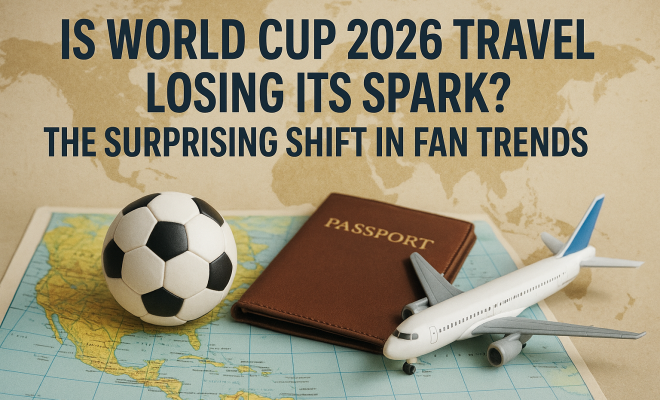
Is World Cup 2026 Travel Losing Its Spark? The Surprising Shift in Fan Trends
“`html
The World Cup 2026: A Global Spectacle
The anticipation surrounding the 2026 FIFA World Cup is palpable, with millions of fans gearing up to witness one of the most exciting sporting events in the world. The tournament, hosted by the United States, Canada, and Mexico, promises to bring a unique blend of cultures and fervor to the participating cities. However, recent reports suggest that the demand for travel during this much-awaited event may not be as robust as initially expected.
Understanding the Demand Slowdown
As we approach the tournament, discussions have emerged about a potential slowdown in travel demand specifically related to World Cup 2026 travel. This shift raises significant questions for fans, tourism businesses, and the event organizers. Factors contributing to the anticipated decline in enthusiasm include soaring prices, visa complications, and changing fan behaviors.
Experts have noted that while major international events typically foster a travel boom, this time, the economic climate and other factors may be altering the usual patterns. Fans are weighing their options more carefully, considering not just the excitement of attending live matches, but also the financial implications of such trips.
The Cost of Attending
One of the most pressing concerns for fans planning on attending the World Cup is the rising cost of travel. With airfares, accommodation, and local transportation prices skyrocketing, many are finding the journey less accessible. According to recent estimates, some cities hosting the matches are seeing accommodation rates surge by as much as 40% compared to normal prices. This is causing many would-be attendees to rethink their plans.
For fans on a tighter budget, options might include looking for alternative cities to stay in or using rental services instead of traditional hotels. However, as these changes may still come with their own price tags, the excitement of spontaneous travel is often marred by financial constraints.
Visa Issues: A Barrier to Entry
Another significant hurdle for international fans is the complication surrounding visa applications. The U.S. has long had a reputation for stringent visa processes, and with the World Cup drawing closer, many potential travelers are feeling the pressure. Delays in processing and the required documentation can deter fans from attending. Reports indicate that some fans may be dissuaded from making the trip altogether due to these complexities.
For instance, travelers from countries with less favorable visa arrangements face additional hurdles. This could significantly reduce the number of international fans ready to cheer for their teams, creating a ripple effect on tourism and hospitality sectors in the host cities. Businesses that rely heavily on events like the World Cup must adapt quickly to these changes, which could impact their bottom lines.
Changing Travel Trends Among Fans
In addition to economic factors and visa issues, fan behavior has notably shifted. The digital age has birthed a new breed of sports enthusiasts who prioritize convenience and experience over traditional travel norms. Many fans are opting for virtual experiences or local viewing parties instead of attending games in person.
This trend is particularly prevalent among younger generations who value cost-effectiveness and flexibility. Rather than incurring the expense of travel and accommodation for a single match, they might choose to enjoy the atmosphere with friends at a local venue, complete with screens broadcasting the action live.
Implications for Tourism Businesses
The potential decrease in travel demand for World Cup 2026 could lead to a significant impact on local economies. Cities like Los Angeles, New York, and Dallas have invested heavily in preparing for the influx of tourists, expecting massive crowds and increased revenue. However, with the current trends suggesting a possible downturn, businesses may need to reassess their strategies.
Local restaurants, hotels, and transportation services, which had anticipated profits from the expected tourism boom, could find themselves struggling if the influx of visitors fails to materialize. This could lead to layoffs, price adjustments, and a general decline in the economic uplift that such a global event should provide.
Strategies for Success: Adapting to Change
To combat these challenges, tourism operators and businesses will need to innovate. Offering packages that include flexible booking options, insurance against cancellations, and reduced rates for early bookings can entice fans to commit to their travel plans. Additionally, promoting unique local experiences or attractions can make the trip more appealing.
Businesses should also leverage social media and digital marketing to engage potential travelers, showcasing the benefits of attending the World Cup in person. Creating buzz around events, meet-and-greets, and interactive fan zones can draw in visitors eager to be part of the action. (See: CDC travel health information.)
The Role of Government and Regulatory Bodies
Government intervention may also play a critical role in mitigating the challenges faced by travelers. Streamlining the visa application process or creating special travel provisions for the World Cup could enhance accessibility for international fans.
Furthermore, collaborating with airlines and hotels to offer competitive pricing and travel packages can improve the overall experience for attendees. By addressing these barriers, authorities can help foster an atmosphere of excitement and anticipation that enhances the overall World Cup experience.
Fan Sentiment and the Future of World Cup Travel
Despite the challenges, many fervent fans remain hopeful about attending the World Cup. Sentiment around the event is still largely positive, with individuals expressing excitement for the matches and the opportunity to witness their favorite teams compete on a global stage. However, it’s crucial for stakeholders in the tourism industry to recognize the shifting trends and adapt accordingly.
For many fans, the World Cup is not just a tournament; it’s a once-in-a-lifetime experience filled with memories and camaraderie. As they weigh their options, it’s essential for businesses to communicate effectively and provide the information they need to make informed decisions about their travel plans.
A Final Thought: Embracing the Spirit of the Game
The World Cup 2026 is not simply about the matches on the pitch; it’s about the shared moments, the celebrations, and the unity that sports can bring. While there may be challenges ahead regarding travel and expenses, the essence of the event lies in its ability to connect fans from around the world.
As the tournament approaches, it’s vital for everyone involved — from fans to businesses and governments — to navigate these challenges together and celebrate the spirit of the game that transcends borders. Ultimately, by focusing on the experience and the joy of coming together, World Cup 2026 travel can still be a memorable and enriching experience for all.
Exploring the Host Cities: What to Expect
The 2026 FIFA World Cup will span across 16 cities, offering a diverse array of cultural experiences for fans. Here’s a closer look at some of the major host cities and what they have to offer beyond the football matches.
New York City
New York City, the iconic metropolis, promises a vibrant atmosphere for World Cup fans. With its famous landmarks, including Times Square, Central Park, and the Statue of Liberty, visitors can immerse themselves in the city’s rich culture. Viewing parties in various neighborhoods will bring fans together, creating a communal atmosphere. Additionally, NYC’s food scene provides countless options to sample international cuisines, making it an ideal hub for fans from around the world.
Los Angeles
In Los Angeles, fans can enjoy the sunny weather and the entertainment capital of the world. Home to Hollywood, visitors can explore film-related attractions, take studio tours, and enjoy the beaches. The city also hosts numerous sports bars and venues that will broadcast all the matches live, ensuring that fans can celebrate together even if they can’t be at the stadium.
Mexico City
As one of the largest cities in the world, Mexico City offers a unique blend of history and modernity. Fans can explore ancient ruins, enjoy vibrant nightlife, and savor authentic Mexican cuisine. The city’s rich football culture means fans can expect an electric atmosphere, especially at local bars and restaurants that will be bustling with excitement during the tournament.
Toronto
Toronto, Canada’s largest city, is known for its multicultural environment. Fans can expect a warm welcome, as the city is home to diverse communities and international cuisine. Viewing parties will feature local artists and cultural performances, adding to the festival-like atmosphere. Toronto’s renowned landmarks, such as the CN Tower and Lake Ontario, provide fantastic opportunities for sightseeing.
Dallas
Dallas is another host city that blends traditional Texan culture with modern amenities. Fans can enjoy the famous Texas barbecue and explore the vibrant arts district. The city’s sports culture is strong, with numerous sports bars that will host viewing events. Dallas is also known for its hospitality, ensuring that visitors feel right at home during their stay.
Statistics to Consider: Travel Trends and Economic Impact
Understanding the potential impact of World Cup 2026 travel on local economies and fan behavior is crucial. Here are some relevant statistics:
- According to a report from FIFA, the 2018 World Cup generated approximately $5 billion in economic impact for host countries.
- Statistics show that around 3 million international visitors are expected for the 2026 World Cup, with a significant portion traveling from outside North America.
- Travel costs for international fans can average between $2,000 to $5,000 per trip, including flights, accommodations, and match tickets.
- A survey conducted by the Global Tourism Agency revealed that 70% of football fans prioritize attending international tournaments as a travel experience.
FAQs About World Cup 2026 Travel
1. When will the World Cup 2026 take place?
The tournament is scheduled to run from June 8 to July 8, 2026. (See: BBC Sports coverage of football.)
2. How can I purchase tickets for the matches?
Tickets will be available through FIFA’s official website and through authorized ticket resellers. Keep an eye on important dates for ticket sales as demand is expected to be high.
3. What travel arrangements should I consider?
It’s essential to book flights and accommodations early to secure the best prices. Consider using travel comparison websites and look for package deals that may include match tickets and hotel stays.
4. Are there any special visa requirements for attendees?
Yes, international fans will need to apply for a visa to enter the U.S., Canada, or Mexico. It’s advisable to start the visa application process as early as possible to avoid any delays.
5. What health and safety measures will be in place during the tournament?
While details are still being finalized, organizers are expected to implement health protocols to ensure the safety of fans, including potential vaccination requirements and crowd management strategies.
6. Can I travel between host cities during the tournament?
Yes, fans can travel between host cities. Major airlines will likely offer special routes, and train and bus services will be available as well. Planning your travel in advance can help you manage your itinerary effectively.
7. What are some budget-friendly options for accommodation?
Consider staying in hostels, renting apartments, or booking accommodations in less central areas. Early booking may also provide significant discounts.
8. Are there family-friendly activities for non-football fans?
Absolutely! Each host city offers a range of attractions, from museums and parks to shopping and dining experiences that can cater to all ages and interests.
9. How can I stay updated on World Cup news and events?
Follow FIFA’s official social media channels, sign up for newsletters, and check local tourism websites in the host cities for real-time information and updates on events surrounding the World Cup.
10. Is it worth attending the World Cup live?
For many fans, attending the World Cup is a dream and a chance to witness history. The atmosphere, the camaraderie, and the experience of cheering for your team live can be truly unforgettable.
Preparing for the World Cup 2026 Travel
Planning for travel to the World Cup requires careful consideration. Here are some key aspects to think about:
Booking Flights
Early booking is critical. Airfare tends to increase as the tournament approaches. Use flight comparison tools to track fare changes and set alerts for price drops. If you’re flexible with your travel dates, you can save significantly by flying in or out a few days before or after the main events.
Accommodation Choices
While hotels may offer convenience, exploring alternative accommodations like short-term rentals or local homestays can enhance your experience and often provide more budget-friendly options. Websites like Airbnb and Vrbo are great places to find unique local stays. Additionally, consider accommodations that provide shuttle services to and from the stadiums to make your game day travel seamless.
Transportation Options
Familiarize yourself with public transportation options in each host city. Many cities will enhance their transit services during the World Cup, making it easier to get around. Additionally, renting a bike or using rideshare apps can be practical for navigating urban areas. Planning your route in advance can save you time and hassle on match days. (See: New York Times sports section.)
Packing Essentials
Consider the climate of your host city and pack accordingly. Layers are often a good choice, especially in cities where temperatures can vary greatly between day and night. Don’t forget essentials like power adapters, comfortable shoes for walking, and, of course, your team’s merchandise to show your support!
Understanding Local Culture and Etiquette
Each host country has its own customs and cultural practices. Familiarizing yourself with these can enhance your travel experience and help you connect with locals. Here are a few tips:
In the United States
Americans are known for their friendly and welcoming demeanor. However, it’s polite to respect personal space and wait for an invitation before joining groups in conversations or activities. Tipping is customary in restaurants and for services, typically around 15-20%.
In Canada
Canadians are famously polite. Saying “please” and “thank you” goes a long way. When in doubt, be courteous and respectful. Canadians also appreciate discussions about sports, so you may find it easy to bond over football!
In Mexico
Mexican culture is rich and vibrant, with a focus on community and family. Engaging in local customs, such as greeting with a handshake or a friendly hug, can be appreciated. Be open to trying local foods and drinks, and be aware that meals often take place later in the evening than in many other countries.
Engaging With Other Fans
One of the most thrilling aspects of attending the World Cup is the chance to meet fellow fans from around the world. Here are some ways to make the most of this experience:
Fan Zones and Events
Many host cities will have designated fan zones where supporters can gather to watch matches on big screens, enjoy local music, and participate in activities. These zones are excellent for meeting other fans and immersing yourself in the festive atmosphere of the World Cup.
Social Media and Fan Groups
Leverage social media platforms to connect with other fans before, during, and after the tournament. Joining fan groups can enhance your experience, as these communities often share tips, meet-up plans, and updates about local events. Platforms like Facebook, Instagram, and Twitter will be buzzing with activity, so don’t miss out on this opportunity to engage with others.
Conclusion: Making the Most of Your World Cup 2026 Travel Experience
The World Cup 2026 is set to be an unforgettable event filled with excitement, camaraderie, and sport. By preparing well for your travel plans and embracing the local cultures of the host cities, you’ll ensure that your experience is rich and rewarding. Whether you’re cheering for your favorite team in a stadium or enjoying the festivities in a fan zone, every moment will contribute to the unique tapestry that is the World Cup. Let’s get ready to celebrate the beautiful game, together!
“`
Trending Now
Frequently Asked Questions
Is World Cup 2026 travel worth it?
While the World Cup 2026 promises an exciting atmosphere, rising costs for travel and accommodation may make it less accessible for some fans. Many are reconsidering their plans due to soaring prices, which could impact the overall experience.
What factors are affecting World Cup 2026 travel demand?
Several factors are influencing the slowdown in World Cup 2026 travel demand, including increased travel costs, visa complications, and changing fan behaviors. Fans are now more cautious about spending due to the current economic climate.
How much has accommodation prices increased for World Cup 2026?
Accommodation prices in some cities hosting the World Cup 2026 have surged by up to 40% compared to normal rates. This significant increase is causing many fans to rethink their travel plans and explore alternative options.
Are fans still excited about attending World Cup 2026?
While many fans remain excited about the World Cup 2026, the rising costs and economic uncertainties are leading some to hesitate. This shift in enthusiasm indicates a change in travel patterns for major international events.
What alternatives are fans considering for World Cup 2026 travel?
To manage costs for World Cup 2026 travel, fans are exploring alternatives such as staying in nearby cities or opting for rental services instead of traditional hotels. These options may offer more budget-friendly solutions amidst rising prices.
What did we miss? Let us know in the comments and join the conversation.