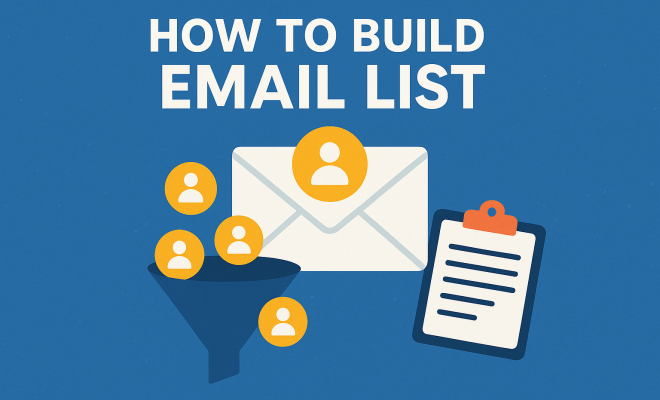
Build a Powerful Email List: 7 Proven Strategies
“`html
In the digital age, having a robust email list is essential for any business or individual looking to thrive in online marketing. Unlike social media followers, an email list provides a direct line of communication with your audience, facilitating engagement, generating leads, and ultimately driving conversions. In this article, we’ll explore seven proven strategies that can help you build your email list effectively and sustainably.
1. Create Irresistible Lead Magnets
One of the most effective ways to build your email list is to offer something of value in exchange for a subscriber’s email address. This is where lead magnets come into play. A lead magnet can be anything from free eBooks, checklists, templates, or webinars to exclusive discount codes. The key is to ensure that what you offer is highly relevant to your target audience and addresses a pain point or fulfills a need.
For example, if you run an online fitness coaching business, a free workout plan or a nutrition guide could entice potential subscribers. You can promote your lead magnet through your website, blog posts, and social media channels to drive traffic and capture email addresses.
2. Optimize Your Website for Email Sign-Ups
Your website is a powerful tool for building your email list, but only if it’s optimized for email sign-ups. Place sign-up forms in prominent locations such as the header, footer, and as pop-ups to capture the attention of visitors. Make sure the forms are easy to fill out, asking only for essential information like the email address and perhaps a name.
Additionally, consider using exit-intent pop-ups that activate when a user is about to leave your site. This gives you a chance to capture their information before they go, perhaps even offering an additional lead magnet as a last-ditch effort to convert that visitor into a subscriber.
3. Utilize Social Media Effectively
While building your email list is primarily about gathering email addresses, social media should not be overlooked. Use your platforms to promote your lead magnets and encourage followers to subscribe. Regularly post about the benefits of joining your email list and share snippets of valuable content that subscribers can expect to receive.
For instance, if you have a new blog post, share it on social media and remind followers that they can receive more similar content directly to their inbox. Consider running social media ads targeting your audience, directing them to a landing page where they can easily sign up for your email list.
4. Leverage Content Marketing
Content marketing is a long-term strategy that can significantly aid in building your email list. By producing high-quality, relevant content, you attract visitors to your site who are interested in your niche. Each piece of content can include calls to action (CTAs) that encourage readers to subscribe to your email list for more in-depth information.
Blog posts, videos, podcasts, and infographics are all viable content formats. For instance, if your blog post discusses the importance of mental health, you could offer a downloadable guide on stress management to readers who subscribe. Over time, this consistent value will help grow your email list organically.
5. Engage with Your Audience
Building an email list isn’t just about collecting addresses; it’s about establishing relationships. Engaging with your audience fosters trust, which in turn encourages them to subscribe. Respond to comments on your blog, interact with followers on social media, and send personalized emails to your existing subscribers. (See: CDC Youth Risk Behavior Survey.)
In addition, consider running surveys or polls to gather feedback and involve your audience in the content creation process. When people feel like they are part of your community, they are more likely to join your email list and remain subscribed. Personalization can be a powerful tool—using a subscriber’s name in emails or tailoring content based on their preferences can enhance engagement.
6. Utilize Referral Programs
Referral programs can be an effective way to leverage your existing subscribers to help you build your email list. Encourage your current subscribers to refer friends and family by offering them incentives, such as discounts, exclusive content, or entries into giveaways. This not only rewards your loyal subscribers but can also introduce your brand to a broader audience.
For example, you could create a program where subscribers receive a discount on future purchases for every new subscriber they refer. The key is to make the referral process simple and clear, maximizing the chances that your audience will participate.
7. Analyze and Refine Your Strategies
Finally, to effectively build your email list, you need to analyze your efforts regularly. Track metrics such as sign-up rates, click-through rates, and conversion rates to understand what strategies are working and which need improvement. Use tools like Google Analytics and your email service provider’s analytics to gain insights.
Testing is also crucial—experiment with different lead magnets, sign-up form placements, and email content. A/B testing can help you determine which tactics resonate most with your audience. By continually refining your approach based on data, you can enhance your email list-building efforts and ensure sustained growth.
8. The Importance of Segmentation
Once you’ve started building your email list, it’s important to think about segmentation. Segmentation allows you to tailor your messages to specific groups within your audience rather than sending generic emails to everyone. By breaking down your list based on factors such as demographics, behavior, or engagement levels, you can deliver more personalized content that resonates with your subscribers.
For example, an online retailer could segment their list into categories like “frequent buyers,” “one-time customers,” and “inactive subscribers.” Each segment can receive targeted emails, such as exclusive offers for loyal customers or re-engagement campaigns for those who haven’t purchased in a while. Research shows that segmented campaigns can lead to a 14.31% higher open rate than non-segmented campaigns, ultimately driving more conversions.
9. Incorporate Email Opt-In During Checkout
If your business involves e-commerce, one of the simplest yet effective strategies to build your email list is to incorporate an email opt-in during the checkout process. This approach allows you to capture emails from customers who may not have signed up previously.
When customers are making a purchase, you can offer them the option to subscribe to your newsletter in exchange for perks like a discount on their next purchase or exclusive access to upcoming sales. Not only does this help grow your email list, but it also enhances the customer experience by providing additional value.
10. Host Webinars and Live Events
Webinars and live events are excellent means of building your email list. When you host a webinar, attendees must register with their email address. This gives you a direct line to individuals genuinely interested in your topic, making them more likely to engage with your future content and offerings. You can also follow up with attendees after the event, providing them with additional resources related to the webinar topic and encouraging them to subscribe for more insights.
Consider topics that address common pain points in your niche. For instance, if you’re a financial advisor, you might host a webinar on “Smart Investments for Beginners.” Promote the event across your platforms, and be sure to remind attendees that registering will give them access to exclusive post-webinar content. (See: New York Times email marketing strategies.)
11. Make Your Emails Shareable
To further expand your email list, consider making your emails shareable. Each email you send should include social sharing buttons that allow subscribers to share your content on their own social media platforms. This not only increases visibility for your brand but also introduces your content to potential new subscribers.
Including a “forward to a friend” option in your emails can also be effective. Encouraging your subscribers to share your emails with others can create a snowball effect that brings in new contacts and leads. You might even want to incentivize sharing by entering subscribers into a contest if they refer someone who signs up.
12. Frequently Asked Questions (FAQ)
What types of lead magnets work best for building an email list?
Popular lead magnets include eBooks, guides, checklists, templates, free trials, quizzes, and discounts. The best lead magnet addresses a specific pain point for your audience and provides immediate value.
How can I ensure that my email list remains engaged?
Maintaining engagement involves sending relevant and valuable content regularly. Use segmentation to tailor your messages and personalize your communications. Additionally, consider running surveys to get feedback on what content your subscribers want.
What’s the average open rate for marketing emails?
The average open rate can vary by industry, but generally, it ranges from 15% to 25%. Focusing on subject lines, segmentation, and personalization can help improve open rates.
Should I buy an email list to jumpstart my marketing efforts?
Buying an email list is generally discouraged. It can lead to low engagement rates and may damage your sender reputation. Building your list organically through valuable content and incentives usually results in higher engagement and better outcomes.
How often should I send emails to my subscribers?
Consistency is key. Depending on your business and audience, a good rule of thumb is to send emails at least once a month. Experiment with frequency to find what works best for your audience; some may prefer weekly updates while others might find monthly summaries more manageable.
What are the legal considerations for building an email list?
It’s essential to comply with laws like the General Data Protection Regulation (GDPR) and the CAN-SPAM Act. This means obtaining clear consent from subscribers, providing an easy way to unsubscribe, and ensuring the security of subscriber data.
13. Understanding the Value of Your Email List
When you’re working to build an email list, it can be easy to focus solely on numbers and growth. However, understanding the true value of your email list is crucial. An engaged email list can dramatically increase your return on investment (ROI). According to a study by the Direct Marketing Association, email marketing can yield an average ROI of $42 for every dollar spent. This emphasizes the importance of not just building your email list but also cultivating a highly engaged audience. (See: WHO health communication facts.)
14. Integrating Email with Other Marketing Channels
To maximize your email list’s effectiveness, integrate it with other marketing channels. For instance, combine your email marketing efforts with social media campaigns to drive traffic and sign-ups. You can create joint campaigns that encourage followers to visit your email sign-up page through social contests or enhance your posts with email-exclusive offers. This holistic approach ensures that your marketing efforts are aligned and that you capture a wider audience.
15. Utilizing Analytics to Drive Strategy
Data analytics play a vital role in building and maintaining your email list. By tracking which emails generate the highest open and click-through rates, you can refine your content and approach. Tools like Google Analytics or your email marketing platform’s built-in analytics can offer insights on subscriber behavior, allowing for more informed decision-making. For example, if you notice that emails sent on Tuesdays have higher engagement, consider scheduling more of your campaigns on that day. Analyzing these patterns can lead to significantly improved performance over time.
16. Testing and Experimentation
Don’t be afraid to try new approaches to see what resonates best with your audience. Testing different formats, subject lines, and content types can provide valuable insights. A/B testing is a common practice where you send one version of an email to a small segment of your list and a different version to another segment. Based on which email performs better, you can then send the winning version to the remainder of your list. This not only helps in refining your strategies but also ensures your audience receives the best possible content.
17. Building Trust Through Transparency
Trust is a cornerstone of successful email marketing. Being transparent about how you use subscriber data can foster confidence. Make it clear what subscribers can expect from their relationship with your brand. This includes outlining your privacy policy and making it easily accessible. Subscribers are more likely to join your email list if they feel secure about how their information will be handled.
18. Creating a Welcome Email Series
Once someone subscribes to your email list, the journey doesn’t end there. A well-crafted welcome email series can strengthen their relationship with your brand. This series should introduce new subscribers to your content, reinforce the value you provide, and outline how they can benefit from being a part of your community. You might include links to popular blog posts, exclusive offers, or even a personal note from you. This initial engagement sets the tone for future communications and helps ensure subscribers remain active and engaged.
19. Utilizing User-Generated Content
Encouraging your subscribers to contribute content can be a win-win situation. You can request testimonials, user stories, or pictures of your products in action. This not only provides you with valuable content but also deepens the connection your subscribers feel with your brand. Highlighting user-generated content in your emails can encourage others to engage and contribute, further building a sense of community.
20. Final Thoughts on Building Your Email List
Building an email list may take time and effort, but the returns on investment can be tremendous. By implementing these strategies—creating lead magnets, optimizing your website, utilizing social media, engaging with your audience, and analyzing your results—you’ll be well on your way to establishing a powerful email list that drives engagement and growth for your business. Remember, the goal isn’t just to accumulate email addresses but to cultivate relationships that convert into loyal customers.
“`
Trending Now
Frequently Asked Questions
What are lead magnets and how do they help build an email list?
Lead magnets are valuable resources offered in exchange for a user's email address, such as eBooks, checklists, or discounts. They entice potential subscribers by addressing specific needs or pain points, making them an effective strategy for building an email list.
How can I optimize my website for email sign-ups?
To optimize your website for email sign-ups, place sign-up forms in prominent areas like the header and footer, and use pop-ups. Ensure the forms are user-friendly, requesting only essential information, and consider exit-intent pop-ups to capture visitors before they leave.
What are some effective strategies for building an email list?
Effective strategies for building an email list include creating irresistible lead magnets, optimizing your website for sign-ups, utilizing social media to promote your offerings, and regularly engaging with your audience through valuable content.
How can social media be used to grow an email list?
Social media can be leveraged to grow your email list by promoting lead magnets, sharing engaging content, and encouraging followers to subscribe through calls-to-action. Regular posts that highlight the benefits of joining your email list can effectively drive traffic.
Why is having an email list important for online marketing?
An email list is crucial for online marketing as it provides a direct communication channel with your audience, enhancing engagement, generating leads, and driving conversions more effectively than social media followers.
What’s your take on this? Share your thoughts in the comments below — we read every one.