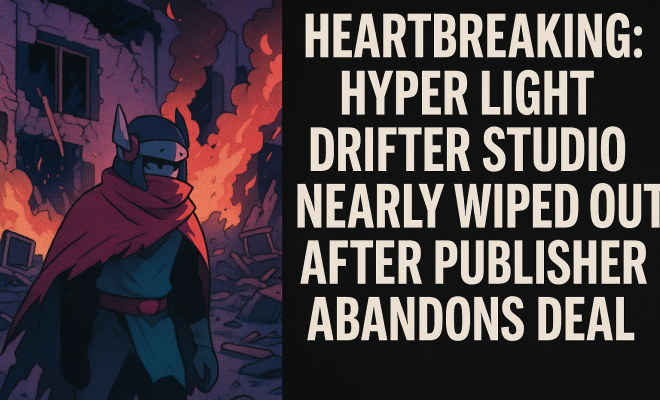
Heartbreaking: Hyper Light Drifter Studio Nearly Wiped Out After Publisher Abandons Deal
The indie game development scene, often celebrated for its innovation and artistic freedom, can also be a brutal, unforgiving landscape. This harsh reality has recently been laid bare for Heart Machine, the beloved studio responsible for the critically acclaimed Hyper Light Drifter. In a move that has sent ripples of shock and sympathy across the gaming community, founder Alx Preston revealed that the studio was forced to implement widespread Hyper Light Drifter layoffs, letting go of “nearly everyone” on the team. This devastating news stems from the sudden collapse of a crucial publishing deal for an unannounced title, highlighting the precarious nature of even successful independent studios.
It’s a story that’s unfortunately becoming all too familiar in the modern gaming industry, where even a track record of innovation and critical praise doesn’t guarantee financial stability. Heart Machine wasn’t some fly-by-night operation; they delivered a masterpiece with Hyper Light Drifter, a game lauded for its stunning pixel art, atmospheric world-building, and challenging yet rewarding combat. They followed that up with Solar Ash, another visually distinct and engaging experience. Yet, despite this pedigree, a single publisher’s decision to pull out from a deal has brought the studio to the brink of collapse. This incident isn’t just a grim statistic; it’s a stark reminder of the human cost behind every game we play and the immense pressure independent developers operate under.
The Sudden, Brutal Reality of the Hyper Light Drifter Layoffs
The announcement from Alx Preston was delivered with a palpable sense of heartbreak and urgency. It wasn’t a corporate press release filled with jargon; it was a candid, almost desperate plea for understanding and a mournful acknowledgment of the situation. Preston explicitly stated that the widespread Hyper Light Drifter layoffs were a direct consequence of a publishing partner withdrawing from an agreement for a game that had been in development, but remained unannounced to the public. Think about that for a moment: years of work, countless hours of creative energy, and significant financial investment, all potentially evaporating because a single entity decided to pull the plug.
This isn’t just about losing jobs; it’s about the erosion of creative teams, the disruption of lives, and the psychological toll on individuals who pour their passion into their craft. Many of these developers likely uprooted their lives, moved to new cities, and committed deeply to Heart Machine’s vision. To have that foundation crumble so abruptly, through no fault of their own, is nothing short of tragic. It’s a testament to the fact that even in an industry valued in the hundreds of billions of dollars, the small teams at the heart of innovation often operate on razor-thin margins and depend entirely on external financing to bring their dreams to fruition.
The Precarious Tightrope Walk of Indie Development
The story of Heart Machine and the resulting Hyper Light Drifter layoffs isn’t an isolated incident; it’s a microcosm of the larger challenges faced by independent game developers worldwide. Unlike large publishers with diversified portfolios and vast financial reserves, indie studios often bet everything on one or two projects. A single game’s success or failure can make or break them. But even before a game hits the market, securing a publishing deal is often the lifeblood that keeps the studio afloat, covering development costs, salaries, and operational expenses.
Publishers, on their end, play a critical role. They provide funding, marketing, distribution, and often valuable expertise. However, these relationships are inherently transactional and can be incredibly fragile. A publisher might back out for a myriad of reasons: shifting market trends, internal strategic changes, financial concerns of their own, or even a simple loss of confidence in a project’s commercial viability. For an indie studio, such a decision, especially late in development, can be catastrophic. It’s like a safety net being pulled away mid-jump, leaving the developers to plummet.
When Critical Acclaim Isn’t Enough: The Peril of Popularity
One of the most perplexing aspects of Heart Machine’s situation is their established reputation for quality. Hyper Light Drifter wasn’t just a good game; it was a cultural phenomenon for many indie fans. Its Metacritic score sits in the high 80s, and it garnered numerous awards and nominations. Its distinct visual style and challenging gameplay created a dedicated fanbase. Solar Ash, while perhaps not reaching the same iconic status, also received solid reviews and demonstrated the studio’s continued commitment to unique experiences.
This raises a critical question: if a studio with a proven track record of critical and artistic success can face such a dire fate, what hope is there for newer, less established teams? It underscores a harsh truth in the entertainment industry: critical acclaim doesn’t always translate directly into commercial juggernaut status, nor does it guarantee long-term financial stability. Publishers, ultimately, are businesses. While they appreciate good art, their primary concern is often return on investment. If a game, despite its creative merits, is perceived as not having the potential to sell millions of copies, it can become a difficult sell for a publisher, especially in a crowded market.
The Ripple Effect: Impact on the Broader Indie Ecosystem
The news of the Hyper Light Drifter layoffs has resonated deeply within the broader independent game development community. It’s not just a story about one studio; it’s a chilling reminder of the inherent risks everyone in that space faces. Developers across social media have expressed solidarity, shared their own anxieties, and discussed the systemic issues that make such occurrences possible. This event serves as a stark warning sign for other indie studios currently navigating publishing deals or seeking funding. (See: independent game developers challenges.)
It also sparks important conversations about diversification and self-sufficiency. Should indie studios strive for greater financial independence? Is it wise to rely so heavily on a single publishing partner? Some developers are exploring alternative funding models, like crowdfunding platforms (though these come with their own set of challenges) or attempting self-publishing, which requires significant expertise and resources in areas like marketing and distribution that many small teams lack. The Heart Machine situation highlights the need for more robust support structures and perhaps more transparent, mutually beneficial agreements between developers and publishers.
The Human Cost: Beyond the Numbers
When we talk about layoffs, it’s easy to get lost in the numbers and industry trends. But behind every statistic are real people with families, mortgages, and dreams. These individuals committed themselves to Heart Machine, believing in its vision and contributing their unique talents to create something beautiful. Now, through no fault of their own, they are suddenly without employment, facing the daunting task of finding new roles in a competitive industry.
The emotional toll of such an event is immense. There’s the immediate stress of financial insecurity, the pressure of job searching, and the heartbreak of seeing a project you poured your heart into dissolve. For many, game development isn’t just a job; it’s a calling. The passion and dedication required to bring a game to life are extraordinary. To have that passion met with such a brutal end can be profoundly disheartening, potentially leading some talented individuals to leave the industry altogether. This brain drain is a loss not just for the affected studios, but for the entire gaming landscape, which thrives on fresh perspectives and innovative ideas.
A Call for Empathy and Support: The Community Responds
Despite the grim circumstances, the gaming community has responded with an outpouring of empathy and support for Heart Machine and its affected employees. Social media platforms quickly filled with messages of encouragement, job postings for laid-off developers, and calls for assistance. This immediate reaction showcases the strong bonds within the gaming world and its capacity for collective action in times of crisis. Many have publicly shared their love for Hyper Light Drifter and Solar Ash, reminding everyone of the incredible talent that resides within the studio.
This kind of grassroots support, while not a solution to systemic issues, can provide a crucial lifeline for individuals caught in the crossfire. It helps alleviate the immediate financial burden, connects talented people with potential opportunities, and, perhaps most importantly, offers a sense of solidarity and hope during a profoundly difficult time. It’s a powerful reminder that even when corporate decisions can be cold and calculating, the human element of the gaming community often rises to meet the moment with warmth and compassion.
Learning from the Aftermath: What Happens Next for Heart Machine?
What does the future hold for Heart Machine after these extensive Hyper Light Drifter layoffs? That’s the million-dollar question, and frankly, it’s incredibly uncertain. Alx Preston’s announcement conveyed a sense of fighting to keep the studio alive, but the path forward will be arduous. They’ll need to regroup, reassess their financial situation, and explore new avenues for funding and development. This could involve seeking new publishing partners, pivoting to smaller, self-published projects, or even exploring alternative business models.
The brand recognition of Hyper Light Drifter and Solar Ash certainly gives them an advantage over a completely unknown studio, but rebuilding a team and regaining momentum after such a setback is an immense challenge. It requires resilience, strategic thinking, and perhaps a bit of luck. The incident might also prompt Heart Machine to reconsider its project pipeline and risk management strategies, perhaps favoring smaller, more manageable projects that require less upfront investment from a publisher, or seeking out multiple smaller funding sources rather than relying on one large deal.
Rethinking Publisher-Developer Relationships
The Heart Machine saga isn’t just a tragic isolated incident; it’s a flashing red light for the entire industry to examine the dynamics between independent developers and publishers. This isn’t to say all publishers are predatory or unsupportive. Many foster incredible talent and provide essential resources. However, the power imbalance is undeniable. Developers often sign away significant intellectual property rights and revenue shares in exchange for funding and distribution, leaving them vulnerable if those deals fall through.
Perhaps it’s time for more transparent, equitable contracts that include better safeguards for developers. What if there were industry-standard clauses for partial compensation or extended notice periods in the event of a publisher withdrawal? Could there be more opportunities for developers to retain greater ownership of their IP? These are complex questions with no easy answers, but the frequency of these types of layoffs, particularly among critically acclaimed studios, suggests that the current model has significant flaws that need addressing. The creative talent at the heart of the industry deserves better protection from the unpredictable whims of the market.
The Shifting Landscape of Game Publishing: Beyond Traditional Deals
The situation at Heart Machine also brings into focus the evolving landscape of game publishing. While traditional publisher-developer relationships remain common, their inherent risks are pushing some studios to explore alternative models. We’re seeing a rise in smaller, boutique publishers who specialize in specific genres or provide more personalized support. These might offer better terms or more flexible agreements, especially for studios with a proven track record.
Beyond that, the rise of subscription services like Xbox Game Pass or PlayStation Plus has created new opportunities for funding and exposure. While these typically involve a flat fee upfront rather than revenue share, they can provide a crucial injection of capital and guarantee a wider audience for a game. Similarly, crowdfunding platforms, despite their challenges, continue to be a viable option for highly anticipated indie titles. Kickstarter and Fig have allowed many projects to bypass traditional publishers entirely, giving developers full creative and financial control. However, they demand significant effort in community building and marketing from the studio itself. (See: financial struggles in gaming industry.)
Another avenue is investment from non-gaming entities, like venture capital firms or even individual patrons who believe in a studio’s artistic vision. These sources might have different expectations for return on investment and a longer-term perspective, potentially offering more stability than a traditional publisher focused on immediate market performance. The key for indie studios now is to not put all their eggs in one basket and to actively explore a diverse portfolio of funding sources.
The Psychological Toll on Studio Founders and Leadership
While much attention rightly focuses on the employees affected by layoffs, it’s also important to acknowledge the immense psychological burden placed on studio founders and leadership, like Alx Preston. Imagine building a company from the ground up, pouring your life into it, assembling a team of passionate individuals, and then having to deliver the news that their livelihoods are at risk due to circumstances largely out of your control. That’s an incredible weight to carry.
Founders often take on personal financial risks, sometimes mortgaging their homes or investing their life savings into their studios. The emotional attachment to the projects and the team runs incredibly deep. When a publishing deal collapses, it’s not just a business setback; it can feel like a personal failure, even when it’s entirely external. The stress, guilt, and grief associated with letting go of colleagues and potentially seeing your vision crumble can lead to burnout, mental health struggles, and a profound sense of loss. Their resilience in the face of such adversity is often overlooked, yet it’s crucial for any hope of the studio surviving and eventually rebuilding.
Statistical Context: The Broader Trend of Gaming Layoffs
Unfortunately, the Hyper Light Drifter layoffs are not an isolated event but part of a larger, worrying trend across the entire gaming industry. In recent years, we’ve seen a staggering number of layoffs from both indie studios and major publishers alike. For example, estimates suggest that over 10,000 people were laid off in the gaming industry in 2023 alone, and that number continued to climb significantly into early 2024. Companies like Unity, Embracer Group, Epic Games, and even giants like Microsoft (impacting Activision Blizzard and Xbox divisions) have announced significant workforce reductions.
This trend is driven by a confluence of factors: post-pandemic market corrections after a period of rapid growth, rising development costs, increased competition, shifts in consumer spending habits, and an industry-wide push for consolidation. For indie studios, these macroeconomic factors amplify the risks associated with single publishing deals. When larger companies are tightening their belts, they’re often less willing to take chances on unproven or artistically driven projects, making it even harder for smaller teams to secure funding. This creates a challenging environment where even critical darlings like Heart Machine struggle to find stable footing.
Expert Perspectives on Indie Sustainability
Industry experts and analysts often point to several key strategies for indie studios to enhance their sustainability. Diversification of revenue streams is paramount; this includes not just different publishing deals but exploring merchandise, ports to new platforms, or even creating digital assets for other developers. Building a strong community around the studio and its games can also provide a buffer, as loyal fans are more likely to support future projects through crowdfunding or direct purchases.
Financial prudence is another critical piece of advice. This means having realistic budgets, understanding burn rates, and maintaining a contingency fund where possible. Legal expertise in contract negotiation is also increasingly vital. Many indie developers, focused on the creative aspects, might overlook the intricacies of publishing agreements, only to find themselves in a vulnerable position if a deal sours. Seeking counsel from lawyers specializing in entertainment or tech contracts can be a worthwhile investment to protect intellectual property and ensure fair terms. Ultimately, the goal is to reduce reliance on any single external factor and build internal resilience.
FAQ: Understanding the Hyper Light Drifter Layoffs and Indie Challenges
Q1: What exactly caused the Hyper Light Drifter layoffs at Heart Machine?
The layoffs at Heart Machine were directly caused by a crucial publishing deal falling through for an unannounced game. This meant the anticipated funding to continue development and sustain the team was suddenly withdrawn, leaving the studio with no immediate financial recourse.
Q2: Why did a publisher pull out of a deal with a successful studio like Heart Machine?
Publishers can withdraw from deals for various reasons. It could be due to a change in their internal strategy, financial difficulties on their end, a reassessment of the game’s market potential, shifting industry trends, or simply a loss of confidence in the project’s commercial viability. Even critically acclaimed studios aren’t immune to these business decisions. (See: impact of publisher decisions on studios.)
Q3: Does critical acclaim for games like Hyper Light Drifter not guarantee financial stability?
Unfortunately, no. While critical acclaim is wonderful for reputation and attracting a fanbase, it doesn’t always translate directly into massive commercial success or long-term financial stability. Publishers prioritize return on investment, and a game, despite its artistic merit, might not be perceived as a multi-million-seller in a crowded market.
Q4: What are the main challenges faced by independent game developers?
Indie developers face numerous challenges, including securing consistent funding, intense market competition, rising development costs, the difficulty of marketing their games effectively, and the precarious nature of publishing deals. They often lack the financial safety net of larger studios.
Q5: How can the gaming community support studios like Heart Machine and laid-off developers?
The community can show support by spreading awareness, sharing job openings for affected individuals, purchasing the studio’s existing games (like Hyper Light Drifter and Solar Ash), and engaging positively on social media. Direct financial support, if possible, for individuals or through community-organized efforts, can also be impactful.
Q6: What alternatives exist for indie studios to secure funding beyond traditional publishers?
Indie studios can explore crowdfunding platforms (e.g., Kickstarter), seek investment from venture capitalists or private investors, explore government grants for arts or technology, self-publish their games, or leverage subscription services like Xbox Game Pass for upfront fees and exposure. Diversifying funding sources is key.
Q7: What does the future hold for Heart Machine after these layoffs?
The future is uncertain but involves a significant rebuilding effort. Heart Machine will likely need to regroup, reassess its financial situation, seek new funding partners, potentially pivot to smaller projects, or explore alternative business models to keep the studio viable. Their strong brand recognition will be an asset in this process.
The news of the Hyper Light Drifter layoffs at Heart Machine is a poignant reminder of the fragility of even successful independent game studios. It underscores the immense passion, dedication, and financial risk involved in bringing digital worlds to life. While the immediate future for Heart Machine and its former employees remains uncertain, the outpouring of community support offers a glimmer of hope. It’s a moment that should prompt introspection across the industry, urging us all to consider how we can better support the creative individuals who enrich our lives with their incredible games.
Trending Now
Frequently Asked Questions
What happened to Heart Machine, the studio behind Hyper Light Drifter?
Heart Machine faced severe financial difficulties after a crucial publishing deal for an unannounced title collapsed. This led to widespread layoffs, affecting nearly everyone on the team, highlighting the precarious nature of independent game development.
Why did Heart Machine have to lay off employees?
The layoffs at Heart Machine were a direct result of a publishing partner withdrawing from an agreement, which severely impacted the studio's financial stability despite its previous successes with games like Hyper Light Drifter and Solar Ash.
How does the gaming industry affect independent studios?
The gaming industry can be brutal for independent studios, as financial stability is often uncertain. Even successful studios like Heart Machine can face collapse due to factors like losing a publishing deal, which emphasizes the inherent risks of indie game development.
What is the significance of Hyper Light Drifter in gaming?
Hyper Light Drifter is significant in gaming for its innovative design, stunning pixel art, and atmospheric world-building. It received critical acclaim and showcased the potential of indie developers to create impactful gaming experiences.
What does Alx Preston's announcement reveal about the indie game scene?
Alx Preston's announcement reveals the harsh realities faced by indie developers, including the emotional and financial toll of sudden setbacks. It underscores the vulnerability of even recognized studios in an industry where success does not guarantee security.
Have you experienced this yourself? We'd love to hear your story in the comments.