Build Your Perfect Desk: A 10-Step DIY Guide
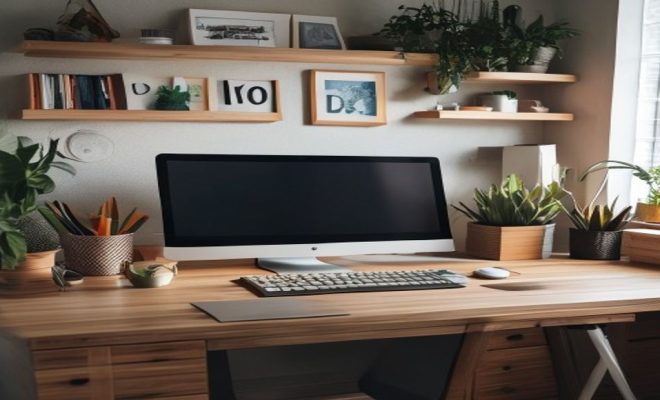
“`html
In a world where remote work and home offices are becoming the norm, knowing how to make a desk that meets your needs is invaluable. Whether you’re looking to create a cozy workspace or a highly functional area for productivity, building your desk can be a rewarding project. This guide will walk you through ten essential steps to design and construct a desk that fits both your style and functionality needs.
1. Determine Your Needs
Before diving into the building process, it’s crucial to assess what you need from your desk. Will you be using it for a computer setup, writing, or perhaps arts and crafts? Understanding your requirements will help inform the dimensions and features of your desk.
Consider factors such as size and shape. For instance, if you’re working with limited space, a compact desk with built-in storage might be ideal. On the other hand, if you need space for multiple monitors or creative projects, a larger, L-shaped desk could be your best bet. Take the time to sketch out a design that encapsulates your vision.
Additionally, think about how you work best. Are you someone who needs a lot of surface area for multiple projects, or do you prefer a more minimalist approach? Your workflow will dictate the design and size of your desk.
2. Choose the Right Materials
The materials you select will significantly affect both the aesthetics and durability of your desk. Common options include wood, metal, and laminate. Wood offers a classic, warm feel and can be stained or painted to fit your decor, while metal provides a modern, industrial look.
Consider the budget as you select your materials. Pine and plywood tend to be more affordable and lighter, while hardwoods like oak or cherry are more expensive but provide greater durability. If you’re unsure, visiting a local hardware store can give you a better idea of what’s available and what will suit your needs.
Also, consider the environmental impact of your materials. Choosing sustainably sourced wood or recycled materials not only benefits the planet but can also add a unique character to your desk.
3. Gather Your Tools
Having the right tools at your disposal is key to successfully building a desk. You’ll likely need a saw (circular or table), a drill, sandpaper, screws, and a measuring tape. Additionally, a level can help ensure that your desk is even and functional.
It’s also wise to invest in safety equipment such as goggles and gloves. Working with power tools requires precautions to prevent accidents. Organizing your tools before you begin can streamline the building process and minimize delays.
If you’re new to DIY projects, you might also want to acquire a few instructional books or online tutorials that can guide you through using each tool effectively.
4. Measure Twice, Cut Once
One of the golden rules in woodworking is to measure twice and cut once. Accurate measurements are crucial for ensuring that all pieces fit together seamlessly. Use a measuring tape to calculate dimensions and mark them clearly on your material before cutting.
Don’t forget to account for any additional features you plan to include, such as drawers or cable management systems. By preparing thoroughly for each cut, you reduce the risk of making costly mistakes, which can waste both time and materials.
Creating a detailed cutting plan can help you visualize the materials you’ll need and reduce waste. This plan should include all dimensions and any specific cuts required for your design.
5. Start with the Surface
Once you have your materials cut to size, start with the desk surface. This usually involves attaching a large piece of wood or an alternative surface to the frame. Ensure that it is securely fastened and level. If you’re using wood, consider sanding it down and applying a finish for a polished look.
If you want to add a personal touch, consider painting or staining the surface. Remember to let the finish dry completely before proceeding to the next steps, as this can affect the overall appearance and longevity of your desk. (See: creating a functional home office desk.)
For a unique design, you might even consider using a mixture of materials, such as a wooden top with metal legs, to create a striking visual contrast that matches your style.
6. Build the Frame
The frame of your desk is what provides stability and support. Typically, this involves constructing a rectangular structure that can hold the weight of your desk surface as well as any items you plan to place on it. Depending on your design, you may need to use brackets or additional supports.
When assembling the frame, ensure all joints are tight and secure. Using screws rather than nails can provide a stronger hold. If you choose to add legs, make sure they are robust enough to support the weight of your desk and any equipment.
Consider adding cross-bracing for additional stability, especially if your desk is larger or intended for heavy equipment. This will prevent wobbling and ensure that your desk remains sturdy over time.
7. Add Storage Solutions
Integrating storage into your desk design can help keep your workspace organized and efficient. Consider adding drawers, shelves, or even a small filing cabinet. Built-in storage can help minimize clutter and enable you to have everything you need within arm’s reach.
Make sure to measure the height and depth of your storage solutions so they fit comfortably beneath the desk surface. Drawer slides can add a professional touch and allow for smooth operation, making it easier to access your supplies.
If you’re short on space, consider vertical storage options like wall-mounted shelves or pegboards above your desk to keep essential items within easy reach without taking up valuable surface area.
8. Incorporate Ergonomics
When learning how to make a desk, it’s crucial to consider ergonomics. An ergonomic desk setup can significantly improve your comfort and productivity. Ideally, your desk height should allow your elbows to form a 90-degree angle when typing.
Consider the placement of your monitor as well. It should be at eye level to prevent neck strain. If your setup includes a chair, ensure it offers proper lumbar support. Investing in an ergonomic chair can complement your newly built desk and contribute to a healthier workspace.
Additionally, think about incorporating an adjustable sit-stand feature if possible. This flexibility allows you to change your position throughout the day, which can help reduce fatigue and improve circulation.
9. Finishing Touches
Once your desk is assembled, it’s time for the finishing touches. This can include adding a coat of varnish for a polished look or applying edge banding to cover any raw edges of the material.
Don’t forget to personalize your desk. Adding decorative elements like plants, photo frames, or artwork can create a more inviting atmosphere. Make the space your own to foster a productive mindset and a comfortable environment.
Consider using desk organizers, stylish stationery holders, or unique lamps to enhance the functionality and aesthetics of your workspace.
10. Maintain Your Desk
After all your hard work, regular maintenance will keep your desk in great condition. Dust it regularly and use appropriate cleaning materials to prevent damage to the surface. If you notice any wear and tear, consider refinishing areas as needed to prolong the lifespan of your desk.
In addition, periodically reassess your workspace. As your needs change, you may want to adjust the layout or storage solutions to better suit your workflow. Keeping it adaptable will ensure your desk remains a functional and enjoyable space.
11. Choosing a Location for Your Desk
Where you place your desk can have a significant impact on your productivity and overall comfort. Ideally, your desk should be in a quiet space that minimizes distractions. If possible, choose an area with ample natural light, as it can enhance your mood and reduce eye strain.
Consider the flow of your room. Ensure there’s enough space for you to move around comfortably, and that your desk doesn’t block any pathways. If you’re working with limited space, a corner desk can maximize the area while still providing you with a dedicated workspace.
Additionally, think about noise levels in your chosen workspace. If your home is particularly busy, consider soundproofing options or using noise-canceling headphones to create a more focused environment. (See: Harvard Business School faculty insights.)
12. Deciding on a Desk Style
When figuring out how to make a desk, style matters as much as functionality. Your desk should reflect your personal taste while also fitting into the overall aesthetic of your home office. Here are a few popular desk styles to consider:
- Modern: Clean lines and minimalistic design characterize modern desks. Materials like glass, metal, and polished wood often play a significant role in this style.
- Rustic: A rustic desk features natural wood finishes and often incorporates reclaimed materials. This style adds warmth and character to any space.
- Industrial: Industrial desks are typically made with a combination of metal and wood, showcasing a raw and unfinished look that can be ideal for a loft or modern setting.
- Traditional: Traditional desks might feature intricate details, rich wood finishes, and classic shapes. They can add a sense of formality to your workspace.
Researching different styles can help you make an informed decision about what best suits your personal and professional needs. Consider creating a mood board to visualize how different styles can come together in your space.
13. Utilizing Technology
In our tech-driven world, your desk can also incorporate technology for enhanced efficiency. Think about adding USB charging ports, cable management systems, or even wireless charging pads. These modern conveniences can keep your workspace tidy and functional.
Consider smart solutions such as adjustable standing desks that allow you to change positions throughout the day. These desks can promote better posture and overall health, making them an excellent choice for anyone spending long hours at their desk.
Integrating a docking station for laptops and tablets can also streamline your workflow and ensure all your devices are charged and ready to go when you need them.
14. Inspiration from Others
Often, seeing how others have designed their spaces can spark inspiration for your own desk project. Websites like Pinterest or Instagram are filled with creative office setups that can provide ideas for your desk design and organization. You might discover clever storage solutions, unique styles, or even DIY techniques that you hadn’t considered before.
Also, visiting local furniture stores or showrooms can give you a tangible sense of how different desk designs can function in a real space. Take pictures of setups that resonate with you to reference later in your building process.
Engaging with online communities or forums dedicated to DIY projects can also yield valuable advice and ideas from like-minded individuals.
15. Cost-Efficiency and Budgeting
Building your desk can be a cost-effective alternative to buying ready-made furniture. However, it’s essential to set a budget before you start gathering materials. Calculate the costs of wood, hardware, tools, and finishes to get a clearer picture of your total investment.
Check for discounts or sales at local hardware stores, and consider secondhand materials or reclaimed wood for a more affordable and eco-friendly option. Building your desk not only allows for personal customization but also could save you a significant amount compared to store prices.
Don’t forget to account for unexpected expenses that may arise during the building process. Setting aside a small contingency fund can help ensure your project stays on track.
16. Frequently Asked Questions
What are some common desk sizes?
Desks come in various sizes. A standard desk height is about 28 to 30 inches, while the width can range from 48 to 72 inches. Corner desks can be larger, often exceeding 72 inches along both walls. It’s essential to choose a size that fits your space and meets your work needs.
How can I customize my desk?
You can customize your desk in several ways: choose the type of wood or finish, incorporate unique storage solutions, or modify the shape. Adding personal touches like your favorite colors or decorations can also make your desk feel more like yours.
Consider integrating personalized decals or stencils that reflect your interests or hobbies, which can add a unique flair to your workspace.
Do I need special tools to make a desk?
While you don’t necessarily need special tools, having the right ones can make the process smoother. Basic tools like a saw, drill, measuring tape, and level are essential. If you’re venturing into more complex designs, you might also consider a miter saw or jigsaw. (See: ergonomics in workspace design.)
Can I use recycled materials?
Absolutely! Recycled materials can add character to your desk and are often more affordable. Look for reclaimed wood, old furniture pieces you can repurpose, or even pallets that can be transformed into a unique desk.
Using old drawers or shelves can also provide great storage solutions while reducing waste.
How long will it take to build a desk?
The time it takes to build a desk varies based on complexity and your skill level. A simple desk can take a few hours, while more intricate designs may require a weekend or more. Planning and preparation can help streamline the process.
It’s a good idea to set aside extra time for unexpected challenges that may arise during the assembly process.
What if I’m not skilled at woodworking?
If woodworking is new to you and you feel intimidated, don’t worry! There are plenty of online resources, including video tutorials and detailed plans, to guide you through the process. Start small with simpler designs to build your confidence.
Local workshops or classes can also provide hands-on guidance, allowing you to learn skills from experienced woodworkers.
17. Safety Considerations
Safety should always be a priority when engaging in any DIY project. Wearing appropriate safety gear such as goggles, gloves, and possibly a dust mask can protect you from hazards associated with cutting and sanding materials.
Ensure your workspace is well-lit and organized to reduce the risk of accidents. If you’re using power tools, familiarize yourself with their operation and safety features before starting. Consider having a friend or family member nearby while you work, especially if you’re using heavier materials or tools.
18. Post-Build Adjustments
Once your desk is complete, spend some time evaluating its functionality. Take note of any aspects that could be improved, such as height adjustments or additional storage needs. Sometimes, it may take a few weeks of use to fully understand what works and what doesn’t.
Don’t hesitate to make modifications as needed. This could involve adding more storage, changing the desk arrangement, or even upgrading to a new chair that offers better support. The goal is to create a workspace that is not only functional but also enjoyable to use.
Building your desk can be a fulfilling project that enhances your work-from-home experience. By following these steps on how to make a desk, you not only save money but also create a personalized workspace that reflects your style and meets your needs. So gather your materials, set aside some time, and unleash your inner craftsman!
“`
Trending Now
Frequently Asked Questions
What materials do I need to make a desk?
To make a desk, you can choose from wood, metal, or laminate. Wood offers a classic look and can be customized, while metal gives a modern feel. Consider your budget and the durability of materials; pine and plywood are affordable options, while hardwoods like oak are more durable but pricier.
How do I determine the size of my desk?
Determining the size of your desk involves assessing your workspace and needs. Consider factors like available space, whether you need room for a computer setup or multiple monitors, and your personal workflow. Sketching a design can help visualize the ideal dimensions for your desk.
What should I consider when designing a desk?
When designing a desk, consider your specific needs, such as the type of work you'll do and how much surface area you require. Think about the desk's shape, size, and any built-in storage options. Your design should reflect both functionality and your personal style.
Can I make a desk with limited space?
Yes, you can make a desk that fits limited space by opting for a compact design, such as a wall-mounted or corner desk. Incorporating built-in storage can maximize functionality without taking up additional room, ensuring your workspace remains organized and efficient.
What are the benefits of building your own desk?
Building your own desk allows you to customize it to fit your specific needs and style. It can be a rewarding project that ensures you have a workspace tailored to your workflow, preferences, and available space, often resulting in a more personal and functional environment.
What’s your take on this? Share your thoughts in the comments below — we read every one.