LA Immigration Protests: Unrest & Raids Explained
“`html
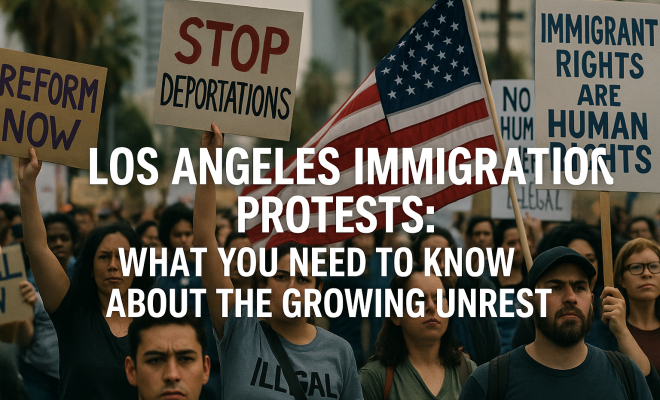
In recent weeks, Los Angeles has become the epicenter of mass protests fueled by escalating tensions over immigration raids. These Los Angeles immigration protests have drawn national attention and sparked intense political conflict, reflecting broader societal concerns about immigration enforcement and its impact on communities. As the situation evolves, understanding the roots of this unrest becomes crucial for grasping its implications not just for Los Angeles, but for cities across America.
The Catalyst: Immigration Raids
The recent wave of protests was ignited by a series of federal immigration raids that targeted undocumented immigrants across the city. Reports indicate that these operations led to the arrests of numerous individuals, many of whom were long-term residents of the community. Families were torn apart, and children were left in distress as parents were taken away by immigration authorities. The emotional toll of these raids has resonated deeply within immigrant communities, leading to widespread outrage.
According to data from local advocacy groups, the number of arrests during these raids has significantly increased compared to previous years, prompting fears of a more aggressive federal approach to immigration enforcement. This was particularly evident in neighborhoods with high concentrations of undocumented immigrants, where families now live in a state of fear and uncertainty.
In fact, a report by the Immigration Legal Resource Center noted that arrests of undocumented immigrants have surged by over 40% in the last year alone, which highlights the urgency of the concerns within these communities.
Clashes Between Protesters and Law Enforcement
The protests in Los Angeles have not been without their share of conflict. Demonstrators have clashed with law enforcement, leading to tense standoffs that have resulted in injuries on both sides. Footage from the protests shows officers in riot gear facing off against passionate crowds, with both sides shouting slogans that reflect their fervent beliefs.
In many instances, the police response to the protests has been criticized as heavy-handed. Activists argue that the aggressive tactics employed by law enforcement only serve to exacerbate tensions and alienate communities that are already feeling targeted. This dynamic has raised questions about the role of police in managing civil dissent and has sparked calls for police reform.
Notably, some protests have seen counter-demonstrators who support stricter immigration enforcement. These encounters have sometimes turned violent, leading to arrests and heightened media attention. The division between groups advocating for immigrant rights and those supporting a harder line on immigration has never been more pronounced.
Statistics gathered during these protests show that over 200 individuals have been arrested in direct confrontations, illustrating the escalating nature of these protests and the law enforcement response. The numbers alone point to a significant societal divide on the issue.
National Attention and Political Fallout
As the Los Angeles immigration protests gained momentum, they captured the attention of national media and politicians. With social media amplifying voices from the ground, images of the unrest quickly spread, prompting a wave of solidarity protests in other cities across the country. Politicians on both sides of the aisle have weighed in, with some condemning the raids and others supporting the government’s enforcement actions.
The protests have laid bare the deepening political polarization surrounding immigration in the United States. On one hand, advocates for immigrants argue that these actions represent a violation of human rights and jeopardize the safety of families. On the other, proponents of stringent immigration policies contend that enforcing laws is essential for national security.
This polarization is also reflected in public opinion polls, which show a marked divide between those who favor more lenient immigration policies and those who support strict enforcement. According to a recent survey conducted by the Pew Research Center, 60% of Americans believe that immigrants strengthen the country, while 38% feel that immigrants threaten American values. Such statistics underscore the challenges faced by policymakers trying to navigate these contentious issues.
Furthermore, diverse voices within the political landscape have emerged, with some local leaders calling for comprehensive immigration reform that addresses the root causes of migration and supports immigrant families. The call for change is growing louder, fueled by the stories of individuals directly impacted by these policies. (See: CDC on immigrant health issues.)
The Emotional Impact on Communities
The emotional fallout from the raids and subsequent protests cannot be overstated. Many families are now grappling with the reality of separation due to immigration enforcement. Local schools have reported increased levels of anxiety among children who worry about their parents being taken away. Community organizations have stepped in to provide resources, counseling, and legal assistance to those affected.
Moreover, the protests have galvanized a broader movement for immigrant rights, bringing together diverse groups advocating for policy change. This includes calls for comprehensive immigration reform that prioritizes family unity and provides pathways to citizenship for undocumented immigrants already contributing to society.
Statistics from the American Psychological Association indicate that immigrant families subjected to raids experience higher rates of depression and anxiety. This mental health aspect is critical, as many affected individuals face not only legal uncertainties but also emotional and psychological distress that can ripple through entire families and communities.
In an effort to address these mental health challenges, several local nonprofits have initiated programs designed specifically for immigrant families, offering everything from individual therapy sessions to group support meetings. These initiatives highlight the importance of community care in times of crisis.
Social Media’s Role in the Protests
Social media has played a pivotal role in shaping the narrative around the Los Angeles immigration protests. Platforms like Twitter and Instagram have allowed protesters to document their experiences in real-time, share information about upcoming demonstrations, and mobilize support. This digital activism has proven crucial in raising awareness and fostering solidarity among various movements.
Additionally, the images and videos circulating on social media have elicited strong emotional reactions from viewers. Graphic depictions of clashes with law enforcement, emotional reunions of families, and testimonials from those impacted by the raids have all contributed to a heightened sense of urgency surrounding the issue.
Furthermore, social media campaigns like #AbolishICE and #ImmigrantsAreUs have garnered millions of engagements, showing how digital platforms can unite voices calling for systemic change. They provide a space for storytelling, allowing immigrants to share their narratives and challenges in a way that resonates with a broader audience.
Some activists have also utilized platforms like TikTok to reach younger demographics, crafting engaging and educational content that discusses the issues surrounding immigration. This creative approach has allowed the movement to grow and diversify its support base.
The Future of Immigration Policy
The ongoing protests in Los Angeles are not just about the immediate events unfolding in the city; they signal a larger conversation about the future of immigration policy in the United States. With both sides of the debate entrenched in their positions, finding common ground is challenging. However, the protests have highlighted the pressing need for compassionate and humane solutions to immigration issues.
Experts argue that comprehensive reform should include provisions for protecting vulnerable populations, such as children and families, while also addressing security concerns. The goal should be to create a system that balances enforcement with empathy, recognizing the contributions of immigrants to American society.
Recent proposals have surfaced in Congress aimed at creating pathways for undocumented immigrants who have resided in the country for years. These proposals, however, often face significant opposition, illustrating the complexities of enacting meaningful reform. A significant point of contention remains whether to prioritize border security over humanitarian concerns, a debate that continues to polarize political discourse.
As discussions evolve, many advocates are emphasizing the importance of engaging with constituents and addressing their concerns about immigration in ways that reflect the realities of their lives. The call for a more inclusive dialogue about immigration policies is more urgent than ever.
Lessons from Los Angeles for Other Cities
As the Los Angeles immigration protests continue to unfold, other cities across the country are closely watching the developments. Many are drawing parallels to their own communities, where similar tensions exist. This situation serves as a reminder that immigration issues are a national concern that requires coordinated responses at both the local and federal levels. (See: New York Times on immigration protests.)
Community leaders and activists in other regions are beginning to mobilize in anticipation of potential immigration raids, learning from the experiences of those in Los Angeles. The interconnectedness of immigrant communities means that the effects of these protests will likely ripple outwards, influencing how different cities approach immigration enforcement and advocacy.
In cities like Chicago and New York, immigrant rights groups are forming coalitions that can respond swiftly to government actions, utilizing lessons learned from the Los Angeles protests. These coalitions are often comprised of local politicians, legal advocates, and community organizers, demonstrating a united front against perceived injustices.
As cities prepare for potential backlash, training sessions and workshops have emerged, equipping volunteers with the tools to support their communities effectively. These grassroots efforts underscore a growing recognition of the need for preparedness in the face of immigration enforcement.
The Broader Implications for Civil Rights
The protests reflect larger civil rights issues beyond just immigration. They highlight ongoing struggles against systemic racism, police brutality, and the fight for social justice. As marginalized communities unite in their demands for change, the protests become a focal point for broader societal issues.
Legal experts suggest that the outcomes of these protests could set precedents for how civil rights are addressed in relation to immigration. The ongoing discourse could influence future legislation, judicial decisions, and public perceptions of immigrants.
Additionally, the intersectionality of the protests—where immigration issues overlap with those of racial justice and economic inequality—present a unique opportunity for cross-movement solidarity. Many activists are emphasizing that the struggles for immigrant rights are inextricably linked to broader civil rights issues, and this coalition-building can amplify their voices and demands.
Historical comparisons can be drawn to past civil rights movements, where collective action led to significant legislative changes. Many activists believe that the current protests hold similar potential to impact the future of civil rights in America.
What’s Next for Los Angeles and Beyond?
Looking ahead, the future of the Los Angeles immigration protests remains uncertain. As protests continue, the response from local and federal authorities will be critical. Will they adopt a more compassionate approach to immigration enforcement, or will they double down on their current strategies?
The situation also raises questions about how long the protests can sustain momentum. Activists will need to maintain public interest, not only through continued demonstrations but by advocating for legislative changes that address the root causes of immigration issues.
It’s essential for these movements to continuously engage with community members, sharing information about their rights and the significance of local policies on immigration. By educating constituents, activists can mobilize more people and establish a larger base of support that extends beyond the protests themselves.
To ensure longevity in their efforts, many activists are prioritizing relationship-building with local institutions, such as schools and churches, which can serve as hubs for community engagement and support. This grassroots approach is pivotal for sustaining momentum over time.
Frequently Asked Questions
What are the main causes of the Los Angeles immigration protests?
The protests were primarily triggered by escalating federal immigration raids targeting undocumented immigrants, leading to widespread fear and community outrage. The emotional impact on families separated by these actions has galvanized protests across the city. (See: Associated Press on immigration raids.)
How have local communities responded to the protests?
Many local organizations have stepped in to provide support, including legal assistance, counseling services, and resources to help families affected by immigration enforcement. Schools have also increased mental health services to support students and families facing anxiety about deportation.
What role does social media play in these protests?
Social media has been pivotal in organizing protests, spreading awareness, and sharing personal stories. It allows for real-time updates and fosters solidarity among protesters and supporters across various cities, amplifying the movement’s reach.
Are the protests leading to any changes in immigration policy?
While the protests have raised significant awareness and spurred discussions about reform, concrete changes in immigration policy have yet to be seen at a federal level. The ongoing public pressure may influence future legislative proposals, though the political landscape remains deeply divided.
How can individuals support the immigrant rights movement?
Individuals can support the movement by participating in local protests, donating to immigrant advocacy organizations, educating themselves and others about immigration issues, and contacting their representatives to advocate for humane immigration policies.
What are the long-term effects of these protests on Los Angeles and similar cities?
The long-term effects may involve shifts in local policy regarding immigration enforcement, increased community organizing, and greater awareness of the challenges faced by immigrant populations. As movements gain momentum, they may also lead to broader discussions about civil rights in the U.S.
How are families coping with the stress of potential deportation?
Families are coping through a combination of seeking mental health support, accessing community resources, and forming support networks with others who have shared experiences. Many are also taking proactive steps to understand their rights and staying informed about legal developments.
Conclusion: The Power of Collective Action
The Los Angeles immigration protests exemplify the power of collective action in effecting change. As communities come together to voice their concerns, the potential for significant policy shifts becomes tangible. While the path forward may be fraught with challenges, the resilience of the immigrant rights movement is clear.
As these events unfold, it’s vital to remember that the fight for justice is ongoing — not just in Los Angeles, but across the nation. Keeping the conversation alive and advocating for humane immigration policies will remain essential as we move forward into an uncertain future.
“`
Trending Now
Frequently Asked Questions
What are the reasons behind the Los Angeles immigration protests?
The Los Angeles immigration protests have been fueled by escalating tensions surrounding federal immigration raids targeting undocumented immigrants. These operations have led to numerous arrests, causing distress within immigrant communities and prompting widespread outrage.
How have immigration raids affected families in Los Angeles?
Immigration raids in Los Angeles have torn families apart, leaving children distressed as parents are taken away by authorities. This emotional toll has created an atmosphere of fear and uncertainty, particularly among communities with a high concentration of undocumented immigrants.
What impact have immigration raids had on arrest rates in Los Angeles?
Recent data indicates that arrests of undocumented immigrants in Los Angeles have surged by over 40% in the past year, reflecting a more aggressive federal approach to immigration enforcement and raising urgent concerns within affected communities.
What has been the response of law enforcement to the protests?
Law enforcement has responded to the Los Angeles immigration protests with significant force, leading to clashes between officers in riot gear and demonstrators. These confrontations have resulted in injuries on both sides, highlighting the tensions surrounding the issue.
What broader implications do the Los Angeles immigration protests have?
The protests in Los Angeles reflect a growing national concern about immigration enforcement and its societal impacts. Understanding these local dynamics is crucial as they may influence similar movements and policies in cities across the United States.
Agree or disagree? Drop a comment and tell us what you think.