Fashion PR Adapts: Beyond the Influencer Bubble Burst
“`html
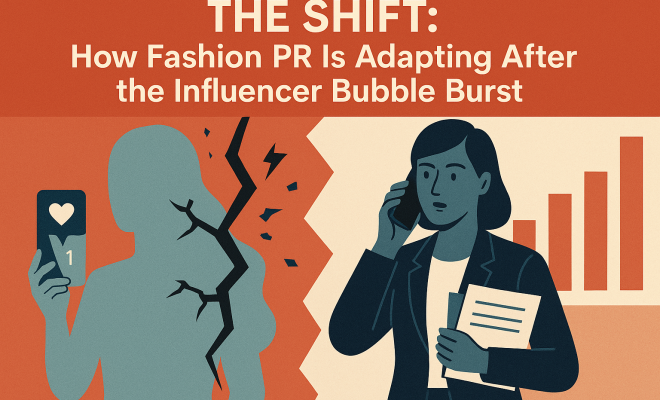
In the dynamic landscape of fashion public relations, recent shifts have been reverberating through the industry. As the influencer bubble experiences signs of deflation, brands are reevaluating their marketing strategies. The high-volume, low-substance influencer campaigns that once dominated the scene are giving way to a more discerning approach. This article explores the implications of this trend for fashion public relations, the evolving role of influencers, and what it means for brands looking to connect authentically with their audience.
The Rise and Fall of the Influencer Bubble
For the last decade, influencers have been heralded as the new gatekeepers of fashion marketing. Brands invested heavily in partnerships with social media stars, believing that their extensive reach could translate into consumer engagement and sales. However, as the influencer market becomes saturated, the effectiveness of these campaigns is being called into question.
Statistics indicate that engagement rates for many influencers are declining, with audiences becoming more discerning about who they follow and what they trust. This shift has prompted brands to reconsider their strategies, leading to a potential redesign of their public relations approaches.
Understanding the Shift in Brand Strategy
As the influencer bubble weakens, brands are pivoting toward a strategy that prioritizes quality over quantity. This means fewer partnerships with stronger creators who have a proven ability to engage their audiences meaningfully. Rather than casting a wide net, fashion public relations efforts are now focusing on building deeper, more authentic relationships with influential voices in the industry.
Data shows that micro-influencers, who boast a smaller but more engaged follower base, are gaining traction. Brands are recognizing that these creators often cultivate a sense of community and trust that larger influencers may lack. This renewed focus on authenticity reflects a broader trend in consumer behavior, with audiences desiring more genuine connections with brands and the voices that represent them.
The Impact of Consumer Sentiment
Consumer sentiment plays a pivotal role in shaping marketing strategies. Today’s consumers are skeptical of traditional advertising tactics and are more inclined to seek out brands that align with their values. This shift has led to a preference for transparency and authenticity in marketing communications.
Fashion public relations professionals must now consider how their messaging resonates with a more critical audience. Brands that prioritize collaboration with influencers who embody their ethos, rather than merely those with the most followers, can foster stronger connections with consumers. This consumer-driven change is compelling brands to act differently in their outreach efforts.
Strategies for Selecting Influencers
With the landscape of fashion PR evolving, selecting the right influencers has become a critical component of marketing strategy. Here are some strategies brands are using:
- Align with Brand Values: Choose influencers whose values and aesthetics match those of the brand. This alignment fosters authenticity and can enhance the brand’s image.
- Evaluate Engagement Over Reach: Look beyond follower counts. Metrics such as comments, shares, and the quality of interactions are more telling of an influencer’s impact.
- Conduct Thorough Research: Brands are investing time in analyzing an influencer’s past campaigns, audience demographics, and engagement metrics to ensure a good fit.
- Build Long-Term Partnerships: Instead of one-off collaborations, brands are seeking to form ongoing relationships with influencers, allowing for consistency and deeper storytelling.
The Role of Authentic Storytelling
In the wake of the influencer bubble, authentic storytelling has emerged as a powerful tool in fashion public relations. Consumers are increasingly drawn to narratives that resonate emotionally and reflect real experiences. Brands that can effectively tell their story through the lens of their chosen influencers stand to gain trust and loyalty.
This approach often involves collaborating with influencers who can weave the brand’s values and mission into their content. Instead of merely showcasing products, these influencers share experiences, personal insights, and genuine endorsements that create a richer narrative. This nuance is essential in a time when consumers can spot inauthenticity from a mile away. (See: The impact of influencer marketing.)
The Rise of Community-Centric Campaigns
As brands shift focus, community-centric campaigns are taking center stage. These campaigns not only involve influencers but also engage their audiences in meaningful ways. Whether through interactive events, social media challenges, or user-generated content, brands are creating spaces where communities can come together.
For example, a fashion brand might collaborate with a group of micro-influencers to launch a campaign that encourages followers to share their style interpretations of a specific theme. This not only amplifies the reach but also fosters a sense of belonging among consumers, allowing them to become part of the brand’s story.
Measuring Success in a New Era
As strategies evolve, so too must the metrics for measuring success in fashion public relations. Traditional metrics like impressions and reach are becoming less relevant. Instead, brands are focusing on metrics that reflect genuine engagement and conversion.
Key performance indicators (KPIs) such as customer acquisition costs, engagement rates, and conversion rates are now favored. These metrics provide a clearer picture of how effective a campaign is in driving actual sales and fostering brand loyalty. Brands that adapt to measure success in this way will likely remain competitive in a fast-changing market.
The Future of Fashion Public Relations
The future of fashion public relations is likely to be characterized by a blend of strategic influencer partnerships, community engagement, and authentic storytelling. Brands that embrace these changes will not only navigate the post-influencer landscape successfully but also foster stronger connections with their audiences.
Expect to see a continued rise in the importance of micro-influencers and community-driven campaigns. As brands learn to adapt, we may witness a renaissance of authenticity in fashion marketing, where consumers feel valued and understood.
Challenges Ahead
Despite these promising trends, challenges remain for fashion public relations professionals. The fickle nature of social media, changing algorithms, and ongoing skepticism from consumers all pose risks. Furthermore, as more brands shift toward this concentrated approach, the competition for the best influencers will undoubtedly intensify.
Fashion public relations experts must stay ahead of the curve by continuously analyzing market trends, understanding audience sentiments, and adapting strategies accordingly. This agility will be essential in navigating the increasingly complex landscape of influencer marketing.
Embracing Technology in Fashion PR
As the fashion industry continues to evolve, so too must the tools and technologies used in fashion public relations. From analytics platforms that track influencer performance to AI-driven tools that help brands identify emerging trends, technology is becoming an indispensable ally for PR professionals.
For instance, tools like Hootsuite or Sprout Social allow brands to monitor their social media presence and analyze engagement metrics in real time. These insights can inform future campaigns and help brands stay relevant in a fast-paced environment.
Moreover, technological advances such as augmented reality (AR) are being used to create immersive brand experiences. Brands can offer virtual try-ons or interactive fashion shows, engaging consumers in ways that traditional methods cannot. This integration of technology not only enhances consumer interaction but also provides a fresh storytelling medium for brands. (See: Trends in influencer marketing strategies.)
The Importance of Data-Driven Decisions
In fashion public relations, making decisions based on solid data is crucial. Instead of relying solely on intuition or past experiences, brands can now leverage consumer data to inform their strategies. This includes analyzing customer demographics, purchase behaviors, and feedback to tailor campaigns that resonate with specific audiences.
According to recent studies, brands that utilize data-driven decision-making see up to a 25% increase in ROI on their marketing campaigns. For fashion public relations, this means understanding which influencers can effectively reach target demographics, what type of content garners the most engagement, and how to adjust campaigns in real time for better results.
Exploring the Role of Diversity in Fashion PR
Another critical aspect of contemporary fashion public relations is the increased emphasis on diversity and inclusion. Consumers today are more vocal about their expectations for brands to represent a wide range of identities and experiences. This demand extends to the influencers that brands choose to partner with.
A 2022 survey revealed that 76% of consumers believe that brands should reflect diversity in their marketing efforts. Fashion public relations professionals must be proactive in seeking out diverse influencers who can authentically connect with various consumer segments. By doing so, brands not only align themselves with consumer values but also tap into broader audiences that might have been overlooked in the past.
For instance, a luxury fashion brand can enhance its image and outreach by collaborating with influencers from different backgrounds, genders, and body types. This approach not only enriches storytelling but fosters a deeper emotional connection with diverse consumer bases.
Trends in Eco-Conscious Fashion Public Relations
As sustainability becomes a pivotal concern for many consumers, eco-conscious fashion public relations is gaining traction. Today’s consumers, especially younger generations, are increasingly making purchasing decisions based on a brand’s environmental impact.
A survey by McKinsey indicated that 67% of consumers consider sustainability when making a purchase, prompting fashion brands to incorporate eco-friendly practices into their narratives. This can be a powerful angle in fashion PR, where brands showcase their sustainable practices, ethical sourcing, and commitment to reducing waste in collaboration with influencers who advocate for similar values.
Brands that effectively communicate their sustainability efforts through compelling storytelling not only enhance their credibility but also build a loyal customer base that appreciates their social responsibility.
FAQ: Common Questions About Fashion Public Relations
What is fashion public relations?
Fashion public relations is the practice of managing the public image and communications for fashion brands. This includes developing relationships with media, influencers, and the public to promote the brand’s products and values.
How have influencer roles changed in fashion PR?
Influencers are now seen as partners rather than just promotional tools. Brands are looking for influencers who can create authentic connections with their audiences and align with the brand’s core values. (See: Consumer trust in influencer marketing.)
What metrics should brands focus on for assessing influencer campaigns?
Brands should prioritize engagement metrics such as likes, shares, comments, and conversion rates over traditional reach metrics. Understanding the quality of interactions can provide deeper insights into campaign success.
How can brands ensure authenticity in their campaigns?
Brands can ensure authenticity by selecting influencers who genuinely resonate with their target audience and align with the brand’s values. Building long-term partnerships can also foster more genuine storytelling.
What trends are shaping the future of fashion PR?
Key trends include the rise of micro-influencers, the importance of community engagement, and the integration of technology for immersive experiences. Authentic storytelling will continue to be a cornerstone of successful campaigns.
How can brands leverage data in fashion PR?
By analyzing consumer demographics, purchasing behaviors, and feedback, brands can tailor their messaging and strategies to better engage their target audiences. Utilizing data-driven insights can enhance the effectiveness of PR campaigns and improve ROI.
What role does sustainability play in fashion PR today?
Sustainability is increasingly important to consumers, and brands that showcase their eco-friendly practices resonate better with audiences. By collaborating with sustainability-focused influencers, brands can enhance their image and connect with environmentally conscious consumers.
Conclusion: Embracing Change in Fashion PR
As the influencer bubble continues to deflate, fashion public relations is at a crossroads. The industry must embrace a new paradigm that prioritizes authentic connections, strategic partnerships, and community engagement. This transition, while challenging, opens up exciting opportunities for brands willing to adapt and innovate.
With consumer expectations evolving and the demand for authenticity on the rise, the best approach for fashion public relations will be one that marries creativity with strategy. By doing so, brands can not only survive but thrive in this new era of marketing.
“`
Trending Now
- The Fragmenting Digital Economy: Who Will…
- our breakdown of how two entrepreneurs turned a simple question into a $1m arr business
- read the full story
- this guide on why medicare advantage enrollment is surging in 2026: the numbers you need to know
- our breakdown of why erectile dysfunction peaks in winter: unpacking the seasonal puzzle
Frequently Asked Questions
How is the influencer bubble affecting fashion PR?
The influencer bubble is leading to a reevaluation in fashion PR, with brands shifting from high-volume influencer campaigns to more strategic partnerships. This change is driven by declining engagement rates and a desire for authentic connections with audiences, prompting brands to focus on quality over quantity.
What are brands doing differently in fashion PR now?
Brands are pivoting towards strategies that emphasize deeper relationships with influencers, particularly micro-influencers, who have more engaged audiences. This approach prioritizes authenticity and meaningful engagement over the traditional model of broad reach.
Why are micro-influencers becoming more popular?
Micro-influencers are gaining popularity because they often foster a sense of community and trust with their smaller, more engaged follower base. Brands are recognizing that these creators can deliver more meaningful interactions compared to larger influencers.
What does the decline of influencer marketing mean for brands?
The decline of influencer marketing means that brands must adapt their strategies to focus on authenticity and quality. This involves forming strategic partnerships with influencers who have genuine connections with their audiences, rather than relying solely on reach.
How can fashion brands connect authentically with their audience?
Fashion brands can connect authentically with their audience by prioritizing relationships with influencers who align with their values and resonate well with their target market. This includes engaging micro-influencers and focusing on content that reflects genuine experiences.
Have you experienced this yourself? We’d love to hear your story in the comments.