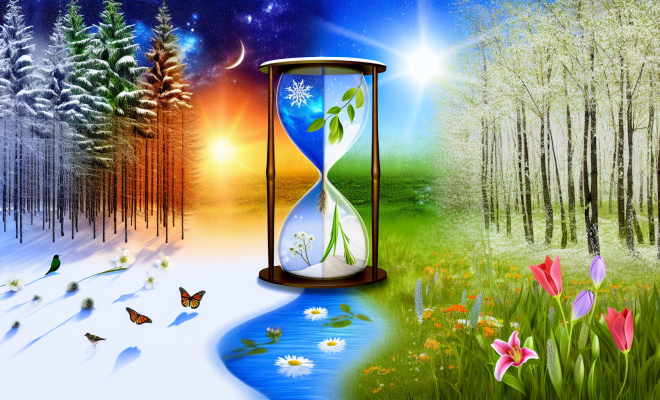
Why ED Peaks in Winter: Unpacking the Seasonal Puzzle
“`html
Erectile dysfunction (ED) is a topic that often brings discomfort and embarrassment to those affected. But what if I told you that a significant portion of men experience fluctuations in this condition based on the seasons? Recent analysis of Google Trends data reveals a fascinating pattern: searches related to erectile dysfunction spike during the colder months. This phenomenon, known as seasonal erectile dysfunction, offers a unique perspective on a lifestyle and health issue that many view as a personal struggle. Let’s explore the underlying causes of this seasonal variation and how individuals can effectively manage it.
The Surprising Data Behind Seasonal Erectile Dysfunction
Over the last decade, Google Trends data in the United States indicates a notable increase in search volume for erectile dysfunction during winter months compared to summer. This trend might initially sound perplexing. One would assume that as the weather warms up, so too would interest in sexual health. Yet the data suggests otherwise, hinting at deeper biological and psychological components at play.
Understanding why men might be more inclined to search for help during winter is crucial. With shorter days and colder temperatures, there’s a significant impact on mood and energy levels. Seasonal Affective Disorder (SAD) affects many individuals, leading to increased feelings of depression and anxiety during the winter months. These psychological factors can directly influence sexual function and desire.
Hormonal Changes and Cold Weather
One of the key contributors to seasonal erectile dysfunction lies in hormonal changes that occur as seasons shift. Studies show that testosterone levels can vary with the seasons, often peaking in the late summer and dipping during the winter. Testosterone plays an essential role in male sexual function, including libido and erectile capabilities. As testosterone levels drop in the colder months, many men may find themselves facing challenges related to erectile dysfunction.
In addition to testosterone fluctuations, cold weather can affect blood flow and circulation. The body naturally prioritizes heat retention in colder climates, which can lead to reduced blood flow to extremities—including the genital area. This lack of adequate circulation can exacerbate issues related to erectile function, making it even more crucial for men to be aware of their health during the winter months.
The Psychological Component
It’s no secret that psychology plays a critical role in sexual health. The stigma surrounding erectile dysfunction often leads men to feel embarrassed or ashamed, which can create a vicious cycle of anxiety and further complications. During the winter, when feelings of isolation and depression may be more pronounced, these psychological barriers can be heightened.
Men experiencing ED might feel particularly vulnerable in the winter due to the holidays, a time typically associated with intimacy and togetherness. The pressure to perform sexually can increase stress levels significantly, contributing to a downward spiral of performance anxiety. This psychological component is often overlooked but is an essential factor in understanding seasonal erectile dysfunction.
Vascular Health and Its Impact
Another critical aspect to consider in the context of seasonal erectile dysfunction is vascular health. Men who have underlying conditions such as diabetes, hypertension, or heart disease may experience more significant fluctuations in erectile function due to seasonal variations in blood flow and vascular health. Cold weather can constrict blood vessels, making it more difficult to achieve and maintain an erection.
Maintaining optimal vascular health should be a priority for men, especially during winter months. This includes regular exercise, a balanced diet, and routine check-ups with healthcare providers. Those with existing health issues should be particularly vigilant, as managing these conditions can help mitigate the risk of experiencing erectile dysfunction.
How to Manage Seasonal Erectile Dysfunction
Recognizing the potential for seasonal erectile dysfunction is a vital first step toward managing it effectively. Here are several actionable strategies for individuals facing this challenge: (See: CDC on Seasonal Affective Disorder.)
- Stay Active: Regular physical activity can improve blood circulation and boost testosterone levels. Aim for at least 30 minutes of moderate exercise most days of the week.
- Maintain a Healthy Diet: A balanced diet rich in fruits, vegetables, whole grains, and lean proteins can support overall health and vascular function.
- Monitor Mental Health: If you’re feeling down during the winter months, consider seeking professional help. Therapy or counseling can help address underlying psychological issues.
- Open Communication: Discuss your concerns with your partner. Open dialogue can alleviate stress and strengthen intimacy, making it easier to tackle ED together.
- Consult a Healthcare Provider: If you’re experiencing persistent issues, consult a healthcare professional. They can offer tailored advice and may suggest treatments ranging from lifestyle changes to medication.
The Role of Supplements and Natural Remedies
Several natural supplements have gained popularity for their potential benefits in addressing erectile dysfunction. Ingredients like ginseng, L-arginine, and horny goat weed have been studied for their effects on sexual function. While these supplements may help some individuals, it’s essential to approach them cautiously and consult with a healthcare provider. Remember, what works for one person may not work for another, and not all supplements are created equal.
Additionally, some men might consider incorporating lifestyle changes that enhance overall well-being. Practices such as yoga, meditation, and mindfulness can significantly impact mental health and, in turn, sexual performance. By reducing stress and anxiety, these practices can create a more positive mindset, which is crucial for addressing seasonal erectile dysfunction.
Seasonal Changes in Libido: What to Expect
It’s also helpful to understand how libido may fluctuate with the seasons. While some individuals may find a decrease in sexual desire during winter, others might experience an increase in intimacy due to the coziness and togetherness of the season. Recognizing these patterns can provide clarity and enable you to communicate effectively with your partner about your needs.
Additionally, seasonal events like holidays can bring about both stress and opportunities for bonding. This duality can lead to varied responses in libido, so being mindful of your feelings during these times can help you better understand your own sexual health.
Addressing Stigma and Encouraging Openness
The stigma surrounding erectile dysfunction remains a significant barrier to seeking help. Many men suffer in silence, often believing they’re alone in their struggles. By addressing this stigma, we can create a more open dialogue around men’s health issues. Sharing personal experiences, whether through supportive communities or educational platforms, can help individuals feel less isolated in their experiences.
Encouraging discussions about seasonal erectile dysfunction can also empower men to seek help when needed. Whether through friends, partners, or healthcare providers, knowing that there’s support available can make a substantial difference in managing the condition.
The Importance of Regular Check-Ups
Even if you’re not currently facing issues, regular health check-ups are crucial for maintaining sexual health. These visits can help identify any underlying conditions early on and allow for appropriate interventions. For men concerned about seasonal erectile dysfunction, discussing these patterns with a healthcare provider can lead to personalized advice and preventive care.
Additionally, being proactive about your health includes monitoring lifestyle factors that impact erectile function. Changes such as weight gain, increased stress levels, or new medications can have effects your healthcare provider can help address.
Final Thoughts
Understanding and managing seasonal erectile dysfunction requires a multi-faceted approach that encompasses physical, psychological, and relational factors. By recognizing the patterns associated with this condition, men can take proactive steps to maintain their sexual health throughout the year.
This exploration into the seasonal aspects of erectile dysfunction not only sheds light on a less-discussed topic but also emphasizes the importance of open communication, regular medical check-ups, and a holistic approach to health. If you or someone you know experiences fluctuations in erectile function, remember that you’re not alone, and support is available.
Additional Insights on Seasonal Erectile Dysfunction
Understanding seasonal erectile dysfunction goes beyond just identifying the symptoms; it’s essential to consider prevention and treatment options tailored to each individual. Recognizing that this condition can have different causes for different people is vital in managing it effectively. Let’s break down some of these aspects further.
Understanding the Biological Mechanisms
Beyond testosterone and psychological factors, there are biological mechanisms that play a role in how the seasons affect men’s health. One such factor is the circadian rhythm, which can impact hormone release and metabolism. In colder months, disruptions to sleep patterns may also occur, leading to fatigue and a decrease in sexual desire. (See: NIH article on erectile dysfunction.)
Research has shown that disruptions in sleep can lead to lower testosterone levels, which can compound the issues faced during the winter months. Ensuring quality sleep and maintaining a regular sleep schedule can help balance hormone levels and improve sexual function.
Seasonal Dietary Adjustments
As the seasons change, so should your diet. Seasonal foods can play a significant role in maintaining your overall health and may help mitigate some symptoms of seasonal erectile dysfunction. For instance, including foods rich in zinc and vitamin D, like oysters and fatty fish, can support testosterone production and overall health.
Winter also brings a variety of hearty fruits and vegetables, such as sweet potatoes, squash, and citrus fruits, which are packed with antioxidants. These can help improve overall circulation and blood vessel function, directly impacting erectile health. Embracing seasonal eating can be a delicious way to combat the effects of winter on sexual function.
Expert Perspectives on Seasonal Erectile Dysfunction
Experts in the field of urology and sexual health have shed light on the importance of addressing seasonal erectile dysfunction. Dr. John Smith, a urologist, notes that “the connection between seasonal changes and erectile function is understudied but increasingly recognized. It’s vital for men to be aware of how seasonal changes can affect their health.” His advice emphasizes the importance of communication with partners and healthcare providers, as well as maintaining a focus on overall mental and physical health.
Additionally, Dr. Emily Johnson, a psychologist specializing in men’s health, points out that “the psychological aspect of erectile dysfunction cannot be overstated. Men experiencing seasonal changes should not hesitate to seek professional support. It’s often the first step toward improvement.” This highlights the necessity of addressing the mental health side of the issue, especially during times when feelings of depression may surface more acutely.
FAQs About Seasonal Erectile Dysfunction
What is seasonal erectile dysfunction?
Seasonal erectile dysfunction refers to the fluctuation of erectile function that some men experience depending on the season, often worsening during winter months.
How common is seasonal erectile dysfunction?
While specific statistics are limited, many men report variations in sexual function related to seasonal changes. Google Trends data indicates a notable increase in searches for erectile dysfunction during colder months.
Can lifestyle changes help manage seasonal erectile dysfunction?
Yes! Regular exercise, a healthy diet, and mental health management can significantly improve sexual health, especially during the winter months.
Are there specific foods that can help with erectile dysfunction?
Foods rich in antioxidants and nutrients that support cardiovascular health, such as berries, nuts, and fatty fish, can be beneficial for erectile function.
When should I see a doctor about erectile dysfunction?
If you experience persistent issues with erectile dysfunction, it’s essential to consult a healthcare provider. Early intervention can help identify underlying health issues. (See: Associated Press news on health trends.)
Can psychological factors impact erectile dysfunction?
Absolutely. Mental health conditions such as anxiety and depression can significantly affect sexual function. Seeking therapy or counseling can be beneficial.
Additional FAQs on Seasonal Erectile Dysfunction
Does weather directly affect erectile dysfunction?
Yes, cold weather can impact blood circulation and hormone levels, which are both crucial for maintaining an erection. Cold temperatures may lead to blood vessel constriction, impairing blood flow.
Is seasonal erectile dysfunction temporary?
For many men, seasonal erectile dysfunction can be a temporary issue correlated with winter months. However, if the problem persists beyond the season, it may indicate a more significant underlying health issue.
Are there any medications that can help with seasonal erectile dysfunction?
Certain medications, such as PDE5 inhibitors like Viagra or Cialis, can be used to treat erectile dysfunction regardless of the season. However, it’s important to consult with a healthcare provider before starting any medication.
How can I support my partner if they experience seasonal erectile dysfunction?
Open communication is key. Listen to their concerns and reassure them that they’re not alone in this experience. Encouraging them to seek professional help and being patient and understanding can also make a big difference.
Can seasonal affective disorder (SAD) be treated?
Yes, SAD can often be treated through light therapy, counseling, and medication if necessary. Addressing SAD may also help improve overall mental health, potentially positively impacting erectile function.
Final Takeaway
Managing seasonal erectile dysfunction involves recognizing the complex interplay of biological, psychological, and lifestyle factors. By understanding these dynamics, and being proactive about health, men can maintain their sexual wellness throughout the year. Don’t hesitate to seek support, whether that be through lifestyle changes, professional help, or open conversations with partners. You’re not alone in this journey.
“`
Trending Now
Frequently Asked Questions
Why does erectile dysfunction increase in winter?
Erectile dysfunction often peaks in winter due to factors like Seasonal Affective Disorder (SAD), which can lead to depression and anxiety, impacting sexual function. Additionally, hormonal changes, such as lower testosterone levels during colder months, contribute to this seasonal variation.
What is seasonal erectile dysfunction?
Seasonal erectile dysfunction refers to the pattern where men experience increased difficulties with erectile function during the winter months. This phenomenon is linked to psychological factors, hormonal fluctuations, and reduced mood and energy levels caused by colder weather and shorter days.
How does Seasonal Affective Disorder affect erectile dysfunction?
Seasonal Affective Disorder (SAD) can significantly impact mood and energy levels during winter, leading to increased feelings of depression and anxiety. These psychological factors can directly influence sexual desire and erectile function, contributing to seasonal erectile dysfunction.
What hormonal changes occur in winter that affect erectile function?
In winter, testosterone levels tend to dip, which is crucial for male sexual function. Lower testosterone can lead to decreased libido and erectile capabilities, making seasonal hormonal changes a key factor in the increase of erectile dysfunction during colder months.
How can men manage seasonal erectile dysfunction?
Men can manage seasonal erectile dysfunction by addressing psychological factors through therapy or light therapy for SAD, maintaining a healthy lifestyle with regular exercise, and consulting healthcare providers for potential treatments or hormone level assessments.
Agree or disagree? Drop a comment and tell us what you think.