Unmasking Mental Health Stigma: Impact & Pathways to Change
“`html
The stigma surrounding mental health is a pervasive issue that affects millions of individuals worldwide. As outlined in a recent article published in Frontiers in Psychiatry, the need to make individuals with psychological disorders and their unique needs visible is paramount for fostering understanding and reducing stigma. This article delves deeper into the complexities of mental health stigma, its implications on physical and mental well-being, and potential pathways for change.
Understanding Mental Health Stigma
Mental health stigma can be defined as the negative attitudes and beliefs directed toward individuals with psychological disorders. These stigmas can manifest in various forms, including social rejection, discrimination, and exclusion from opportunities. According to the World Health Organization (WHO), stigma serves as a significant barrier to accessing mental health care, resulting in increased suffering and exacerbation of existing conditions.
Individuals facing mental health challenges often find themselves at the intersection of societal prejudice and personal struggle. The stigma associated with mental illness not only affects self-esteem and self-worth but can also lead to feelings of isolation and hopelessness. In addition, the stigma can prevent individuals from seeking help, ultimately worsening their conditions.
The Role of Visibility in Reducing Stigma
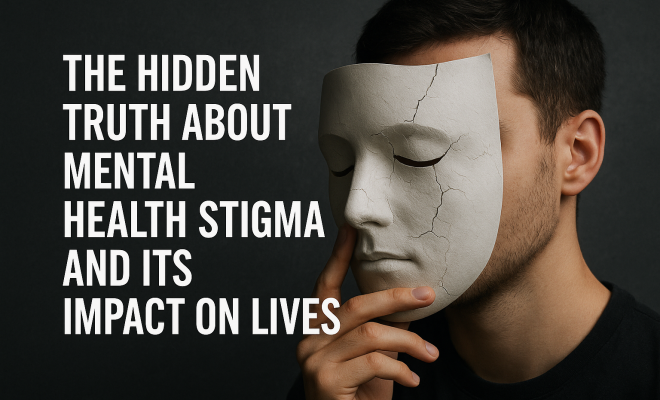
The article emphasizes the importance of visibility for individuals with psychological disorders. By making their experiences and needs more visible, society can begin to dismantle the misconceptions that fuel stigma. Visibility involves not only the acknowledgment of these individuals but also understanding their stories, challenges, and triumphs.
One effective way to enhance visibility is through sharing personal narratives. When individuals open up about their mental health experiences, they humanize the issue and encourage empathy. This can be facilitated through social media campaigns, public speaking engagements, and community forums, which serve as platforms for sharing stories and fostering connection.
The Emotional Impact of Stigma
The emotional ramifications of stigma on individuals with mental health issues are profound. Stigmatization can lead to heightened anxiety, depression, and feelings of unworthiness. A 2018 study published in the journal Psychological Medicine found that individuals who perceived higher levels of stigma reported more severe symptoms of mental illness.
Moreover, the internalization of stigma can lead to a vicious cycle. When individuals believe they are stigmatized, they may withdraw from social interactions, further isolating themselves and perpetuating their struggles. This cycle underscores the urgent need for societal change and the importance of supportive environments that promote acceptance and understanding.
Statistics That Illuminate the Issue
Statistics can often paint a clearer picture of the extent of mental health stigma. According to the National Alliance on Mental Illness (NAMI), approximately 1 in 5 adults in the U.S. experience mental illness in a given year. Yet, despite this prevalence, stigma remains a significant roadblock to treatment. Research indicates that nearly 60% of adults with a mental illness did not receive mental health services in the previous year, largely due to stigma and discrimination.
Furthermore, studies reveal that individuals with mental health disorders are more likely to face unemployment and underemployment, with nearly 70% reporting workplace stigma. This unemployment can lead to financial instability, which in turn exacerbates mental health issues, creating a cycle that is difficult to escape.
How Society Can Combat Mental Health Stigma
To effectively combat mental health stigma, society must take a multi-faceted approach. Educational initiatives play a crucial role in dispelling myths and misinformation surrounding mental illness. Schools, workplaces, and community organizations can implement educational programs that teach about mental health, emphasizing that mental illness is a health condition, not a character flaw.
Additionally, mental health policies must be reformed to prioritize the needs of individuals with psychological disorders. Governments and organizations should ensure that mental health services are accessible, affordable, and widely available. By creating a supportive environment, individuals will feel safer in seeking help without fear of judgment. (See: World Health Organization on mental health stigma.)
Advocacy and Lived Experience
Advocacy efforts are vital in raising awareness about mental health stigma. Organizations such as Mental Health America and the National Alliance on Mental Illness work tirelessly to advocate for policy changes, educate the public, and provide resources for individuals seeking help.
Moreover, individuals with lived experience of mental health challenges can serve as powerful advocates. Their stories can inspire others to seek help while also fostering a sense of community and understanding. Training programs that prepare individuals to share their experiences can amplify their voices and contribute to the larger conversation on mental health stigma.
The Importance of Intersectionality
Understanding mental health stigma also requires an intersectional approach. Factors such as race, gender, sexuality, and socioeconomic status can influence how individuals experience stigma and access mental health resources. For instance, minority communities often face compounded stigma due to cultural beliefs surrounding mental illness.
Research indicates that people of color are less likely to receive mental health care and more likely to experience discrimination when they do seek help. This underscores the necessity for culturally competent care and targeted outreach initiatives that address the unique challenges faced by marginalized populations.
Creating Supportive Environments
Creating supportive environments is essential for reducing mental health stigma. Families, friends, and communities can foster acceptance by providing emotional support and encouraging open conversations about mental health. Individuals should feel empowered to discuss their challenges without judgment, and this can be cultivated through active listening and empathy.
Furthermore, workplaces can implement mental health initiatives to support employees. Companies that prioritize mental health through policies, resources, and training can create a healthier work environment. Programs that promote mindfulness, stress management, and mental health awareness can help reduce stigma and improve overall employee well-being.
Additional Perspectives on Mental Health Stigma
To further understand mental health stigma, it is crucial to consider the perspectives of various stakeholders—those with mental health conditions, caregivers, healthcare providers, and the general public. Each group has unique experiences that shape their understanding of mental health issues.
Caregivers, for instance, often face their own stigma as they navigate the challenges of supporting a loved one with a mental illness. Their experiences can include social isolation and a lack of understanding from others about the demands of caregiving. This highlights the importance of support networks for caregivers, which can provide them with resources and reassurance.
Healthcare providers also play a significant role in addressing stigma. Training in mental health first aid can equip professionals with the tools needed to offer empathetic care and effectively communicate with patients. By fostering a non-judgmental environment, healthcare providers can help mitigate the stigma that patients may feel.
The Global Perspective on Mental Health Stigma
Mental health stigma is not confined to any one country or culture; it is a global issue that varies significantly across different societies. In many cultures, mental health conditions are heavily stigmatized, often viewed as a sign of weakness or moral failing. For example, in some Asian cultures, mental illness is a taboo topic, leading to silence and shame around seeking help.
Conversely, countries in Scandinavia have made significant strides in addressing mental health stigma through robust public health policies and a strong emphasis on mental health education. These nations prioritize mental well-being as part of holistic health care, demonstrating that societal attitudes can evolve and improve.
Examples of Successful Anti-Stigma Campaigns
Several campaigns worldwide have successfully reduced stigma surrounding mental health. One notable example is the “Time to Change” initiative in the UK, which has effectively raised awareness and challenged stereotypes about mental illness. Through media campaigns, local events, and social media outreach, the initiative has led to a measurable change in public attitudes and increased willingness to discuss mental health openly. (See: NIH article on mental health stigma.)
Another example is the “Each Mind Matters” campaign in California, which promotes mental health awareness and offers resources to individuals. By focusing on personal stories and community involvement, this initiative has fostered an environment where conversations about mental health are more normalized.
Frequently Asked Questions About Mental Health Stigma
What is mental health stigma?
Mental health stigma refers to the negative attitudes and beliefs that society holds towards individuals who experience mental health challenges. This can lead to discrimination, social exclusion, and reluctance to seek help.
How does stigma affect individuals with mental health conditions?
Stigma can lead to feelings of shame, isolation, and low self-esteem. It may prevent individuals from seeking help or disclosing their struggles to others, further exacerbating their mental health issues.
What are the signs of mental health stigma in society?
Signs of mental health stigma include derogatory language, discrimination in the workplace, social exclusion, and lack of understanding or empathy from those around individuals with mental health conditions.
How can I help reduce mental health stigma?
You can help reduce stigma by educating yourself and others about mental health, engaging in open conversations, and advocating for mental health resources and support in your community. Additionally, sharing personal stories can help normalize discussions around mental health.
Are there any effective programs to combat stigma?
Yes, various programs, such as “Time to Change” in the UK and “Each Mind Matters” in California, have shown effectiveness in reducing stigma. These campaigns focus on education, personal stories, and community involvement to create a more supportive environment for those with mental health challenges.
Deepening Our Understanding of Mental Health Stigma
To fully grasp the complexity of mental health stigma, we must also consider the historical context of mental illness. Historically, individuals with mental health conditions were often subjected to inhumane treatment, locked away, or labeled as dangerous. This legacy plays a significant role in shaping current societal attitudes. The portrayal of mental illness in media and literature has frequently contributed to stereotypes that reinforce stigma. For instance, mental illnesses are often depicted in ways that exaggerate their severity or associate them with violence, reinforcing fears and misconceptions.
Moreover, the educational system plays a crucial role in either perpetuating or reducing stigma. Integrating mental health education into school curricula can help normalize conversations surrounding mental health from a young age. Children who learn about mental health early on are more likely to develop empathy and understanding towards those facing mental health challenges.
Impact of Social Media on Mental Health Stigma
Social media has a dual role in the conversation around mental health stigma. On one hand, platforms like Instagram, Twitter, and Facebook provide spaces for individuals to share their experiences with mental illness, fostering community support and dialogue. Hashtags like #MentalHealthAwareness and #EndTheStigma have made it easier for individuals to find resources and connect with others who understand their struggles.
On the other hand, social media can also perpetuate stigma. The idealized portrayals of life that are prevalent on these platforms can lead to feelings of inadequacy and shame among those with mental health conditions. The curated nature of social media can distort reality, making it difficult for individuals to share their authentic experiences without fear of judgment or backlash.
Balancing these pros and cons is essential for leveraging social media as a tool for advocacy and support rather than a breeding ground for stigma.
The Economic Cost of Mental Health Stigma
The stigma surrounding mental health has not only emotional and social implications but also significant economic consequences. The World Economic Forum estimates that the global cost of mental health conditions will reach $16 trillion by 2030 if current trends continue. This figure reflects the costs associated with lost productivity, healthcare expenses, and social welfare support due to untreated mental health issues.
Furthermore, workplaces that fail to address mental health stigma may experience higher rates of absenteeism, turnover, and decreased employee morale. A study by the American Psychiatric Association found that nearly 40% of employees reported avoiding conversations about mental health in the workplace due to fear of stigma, leading to a lack of support and resources for those in need. Promoting mental health awareness within organizations can contribute to a healthier, more productive workforce and ultimately reduce the economic burden associated with untreated mental health conditions.
Future Directions in Combating Mental Health Stigma
Looking ahead, several strategies could further combat mental health stigma. Policy reform is critical; governments must legislate for better mental health services and protections against discrimination. For example, workplace laws that mandate mental health training and support can reduce stigma and create more inclusive environments.
Innovative approaches, such as utilizing virtual reality to simulate mental illness experiences, can help foster empathy among the general public. Programs that involve immersive experiences can lead to a greater understanding of the challenges individuals face, thereby reducing stigma and promoting compassion.
Finally, ongoing research into the effects of stigma on various populations can provide invaluable insights for tailoring interventions. By understanding how stigma manifests differently across demographics, tailored campaigns can be developed, ensuring that the messaging resonates with diverse groups.
Conclusion: A Collective Responsibility
Reducing mental health stigma is a collective responsibility that requires action from all sectors of society. By making individuals with psychological disorders visible, we can challenge the negative perceptions that perpetuate stigma. Through education, advocacy, and the promotion of supportive environments, we can pave the way for a more inclusive society.
As we move forward in addressing mental health stigma, it is imperative to remember that everyone has a role to play. Whether through sharing personal stories, advocating for policy changes, or simply offering support to someone in need, we can collectively create a world where mental health is treated with the same importance as physical health. Together, we can work toward reducing stigma and ensuring that individuals with psychological disorders are seen, heard, and valued.
“`
Trending Now
Frequently Asked Questions
What is mental health stigma?
Mental health stigma refers to the negative attitudes and beliefs directed toward individuals with psychological disorders. This stigma can lead to social rejection, discrimination, and exclusion from opportunities, creating significant barriers to accessing mental health care.
How does stigma affect mental health?
Stigma can severely impact mental health by lowering self-esteem and inducing feelings of isolation and hopelessness. It often prevents individuals from seeking help, exacerbating their conditions and contributing to a cycle of suffering.
Why is visibility important in reducing mental health stigma?
Visibility is crucial for reducing mental health stigma as it allows society to acknowledge and understand the experiences of individuals with psychological disorders. Sharing personal narratives can humanize mental health issues and foster empathy among the public.
What are the consequences of mental health stigma?
The consequences of mental health stigma include increased suffering, worsened mental health conditions, and a reluctance to seek help. It can lead to social isolation and a lack of support for those struggling with psychological disorders.
How can we combat mental health stigma?
Combating mental health stigma requires increasing visibility, promoting understanding, and encouraging open conversations about mental health. Sharing personal stories and experiences can help dispel myths and foster empathy, creating a more supportive environment for individuals facing mental health challenges.
What did we miss? Let us know in the comments and join the conversation.