The Israel Political Divide: Fracturing Both US Parties
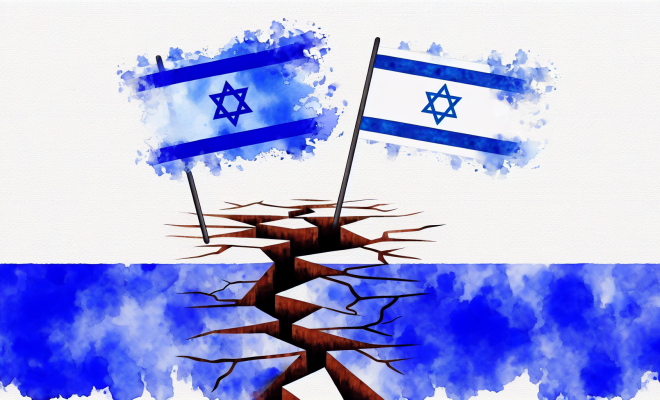
The Israel political divide has emerged as a significant and contentious issue in American politics, affecting both major parties in unprecedented ways. As the wars in Gaza and Iran continue to unfold, support for Israel is no longer a given among U.S. lawmakers, with noticeable fractures appearing in both the Republican and Democratic parties. A recent Pew Research survey highlights this shift, revealing that 57% of Republicans under 50 now view Israel unfavorably, a stark increase from just 35% in 2022. This trend indicates a transformational change, particularly among younger Americans, which could have profound implications for U.S. foreign policy and electoral dynamics.
Historical Context: The Bipartisan Support for Israel
For decades, support for Israel in the U.S. was characterized by a rare bipartisan consensus. Both Republicans and Democrats have historically championed Israel, viewing it as a strategic ally in a volatile Middle East. This unwavering support was rooted in shared democratic values, strategic interests, and strong Jewish advocacy in American politics. However, as the geopolitical landscape evolves, this once-solid foundation is beginning to show cracks.
The Fracture in the Republican Party
In light of the recent conflicts, the Israel political divide has become particularly evident within the Republican Party. Traditionally aligned with pro-Israel policies, factions of the GOP are now expressing skepticism. The shift is most pronounced among younger Republicans, who are increasingly questioning the U.S.’s unconditional support for Israel. This demographic change is alarming for party leaders, as it indicates a potential realignment in values and priorities.
- MAGA Allies Push Back: Prominent allies of former President Donald Trump have begun to vocalize criticisms regarding his administration’s approach to Israel. This backlash reflects a growing sentiment that views the endless support for Israel as a misallocation of resources, especially in light of domestic issues.
- Survey Findings: The Pew Research survey found that support for Israel has diminished significantly among Republicans under 50. This demographic’s unfavorability ratings toward Israel are indicative of a broader trend that could reshape GOP policy positions in the future.
Democratic Divisions Over Israel
The Israel political divide is not exclusive to the Republican Party; Democrats are also experiencing internal conflicts over their stance on Israel. Progressives within the party have increasingly adopted a critical perspective on Israel’s actions, particularly in the context of its military engagements in Gaza. This has led to a growing divide between the party’s establishment and its more progressive wing.
- Progressive Voices: Figures such as Congresswoman Alexandria Ocasio-Cortez and Senator Bernie Sanders have been vocal critics of Israel’s military actions, advocating for a more humanitarian approach to U.S.-Israel relations.
- Establishment Support: Conversely, more traditional Democratic leaders, like President Joe Biden, continue to uphold the long-standing alliance with Israel, emphasizing the importance of a two-state solution.
The Emotional Charge Behind the Divide
The Israel political divide has garnered significant attention due to its emotional resonance. The humanitarian crises stemming from conflicts in Gaza and Iran evoke strong reactions from the American public, leading many to re-evaluate their positions on foreign aid and military support.
Public Opinion and Social Media Influence
As the discussion around U.S. support for Israel intensifies, social media platforms have played a pivotal role in shaping public opinion. Viral campaigns and hashtags have emerged, often highlighting the plight of Palestinians and calling for a reevaluation of American foreign policy towards Israel.
- Generational Shift: Younger voters, who are more likely to engage with social media, are increasingly vocal about their views on Israel. Their support for movements like BDS (Boycott, Divestment, Sanctions) reflects a broader reevaluation of U.S. foreign policy.
- Fear of Missing Out (FOMO): There is also a palpable fear among politicians and parties of being out of touch with the evolving sentiments of their constituents, particularly younger Americans who prioritize social justice issues.
The Future of U.S.-Israel Relations
The shifting landscape of support for Israel among both major political parties could have lasting implications for the future of U.S.-Israel relations. As more Americans question the traditional bipartisan support model, policymakers may be compelled to reassess their foreign aid strategies and diplomatic approaches.
Potential Policy Changes
In response to the internal party divides surrounding the Israel political divide, we may witness significant policy changes in the near future. These changes could manifest in various ways:
- Reallocation of Foreign Aid: Lawmakers may face pressure to reconsider how much aid is provided to Israel, especially if a growing number of constituents demand a focus on humanitarian issues.
- Increased Emphasis on Diplomacy: There may be a shift towards more diplomatic approaches aimed at resolving the Israeli-Palestinian conflict, emphasizing negotiation over military assistance.
Implications for Future Elections
The Israel political divide could play a crucial role in the upcoming elections, as candidates navigate this delicate terrain. Voters’ attitudes towards Israel may influence their choices, leading candidates to tailor their platforms accordingly.
- Primary Challenges: Candidates who deviate from traditional pro-Israel stances may face challenges in primary elections, particularly from more conservative or pro-Israel factions within their parties.
- Independent Voters: The changing perspectives on Israel may also impact independent voters, who have been increasingly disillusioned with partisan politics. Their votes could be swayed by candidates’ ability to address the humanitarian aspects of the conflict.
Conclusion: A New Era in U.S. Foreign Policy?
The Israel political divide signifies a transformative moment in American politics. As bipartisan support for Israel erodes, both parties must grapple with the implications of this shift. The growing divisions within the Republican and Democratic parties reflect a broader societal change, where younger generations are demanding a reevaluation of long-standing foreign policy positions.
As the conflict in Gaza and Iran continues to unfold, the stakes for U.S.-Israel relations have never been higher. The outcome of the 2024 elections may hinge on how effectively candidates address this growing divide, shaping the future of U.S. foreign policy for years to come.