The Strategic Divide: Gas in America and Oil’s Global Influence
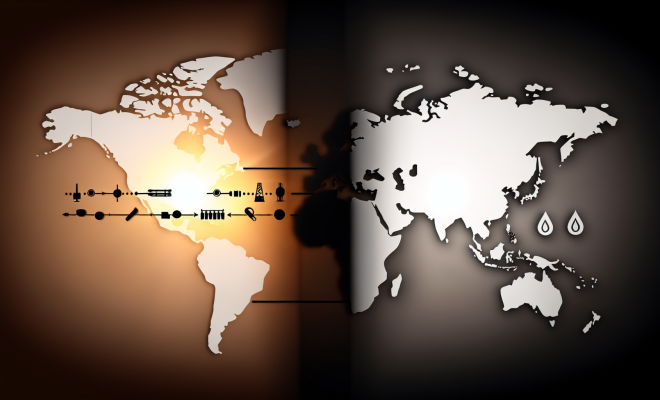
The energy landscape of the United States has evolved significantly over the past few decades. As natural gas has become a cornerstone of the American energy economy, the world continues to grapple with the implications of oil’s dominance. Despite advancements in energy technology and a shift towards cleaner fuels, oil remains a critical player in global markets, underlining its strategic importance, especially in times of geopolitical turmoil.
The U.S. Energy Economy: A Dual Approach
In the United States, natural gas has surged to the forefront of the energy economy, largely due to its abundance and the technological advancements in extraction methods such as hydraulic fracturing and horizontal drilling. This shift has allowed the U.S. to become one of the world’s largest producers of natural gas, which in turn has transformed the domestic energy landscape.
Yet, while natural gas is often touted as a cleaner alternative to coal, its role in the transportation sector remains limited. The U.S. relies heavily on liquid fuels, primarily derived from oil, to power its cars, trucks, and planes. According to recent statistics, about 90% of the transportation sector’s energy needs are met by petroleum-based products, underscoring oil’s irreplaceable role in the economy.
Oil’s Strategic Importance
Oil’s significance goes beyond just being a fuel source. It has become a strategic asset that influences foreign policy, economic stability, and even national security. The current global context, marked by conflicts in the Middle East, has resulted in volatility in oil prices, which can have cascading effects on economies worldwide. High oil prices can lead to increased costs for goods and services, driving inflation and potentially leading to economic downturns.
For instance, disruptions in oil supply can trigger broader economic shocks, impacting everything from consumer prices to international trade. Countries that are heavily reliant on oil imports, especially those in Europe and Asia, find themselves particularly vulnerable to these fluctuations. In contrast, the United States, with its significant domestic production of natural gas and oil, has managed to mitigate some of these risks.
Global Vulnerabilities Amid U.S. Adaptations
While the U.S. has made substantial strides in energy independence, the global economy remains intricately linked to oil. Events such as geopolitical conflicts, natural disasters, or even changes in production levels from major oil-exporting nations like Saudi Arabia and Russia can have immediate and severe repercussions worldwide.
- Geopolitical Conflicts: Ongoing tensions in the Middle East often lead to fears of supply disruptions, which can spike oil prices almost overnight.
- Natural Disasters: Hurricanes, for instance, can impact oil production and refining capabilities, leading to shortages.
- Global Demand Fluctuations: As countries, particularly in Asia, continue to industrialize, their increasing demand for energy puts additional strain on oil supplies.
This interconnectedness highlights a critical point: while the U.S. may adapt and innovate within its borders, the global economy remains susceptible to shocks that can arise from oil market fluctuations. Despite advancements in renewable energy and electric vehicles, the transition away from oil is slow, and many industries still rely heavily on petroleum.
Preventing Economic Breakdown
The consequences of high oil prices and supply disruptions are not merely economic; they can lead to social unrest and instability. For instance, countries that depend on oil revenues for government funding can face significant challenges when prices plummet. Conversely, when prices rise, it can strain consumers, leading to widespread dissatisfaction and protests.
To mitigate these risks, many nations are seeking to diversify their energy sources and reduce dependency on oil. However, the reality is that oil remains a linchpin in the global economy. Without significant advancements in alternative energy that can replace oil’s role, the world will continue to face vulnerabilities tied to this critical resource.
Looking Ahead: Navigating Energy Challenges
As we look to the future, the dual reliance on natural gas and oil in the U.S. presents both opportunities and challenges. The transition to a more sustainable energy model is underway, but it will take time. Policymakers must navigate the complexities of energy independence while managing the global implications of oil market dynamics.
In conclusion, while America may be running on gas, the world is still breaking on oil. The strategic importance of oil cannot be understated, and its influence on the global economy will persist as long as dependency remains. As nations work to adapt to an evolving energy landscape, the need for a balanced approach to energy security and sustainability becomes ever more crucial.