Davos of Energy: Balancing Optimism & Dread Amid Iran Conflict
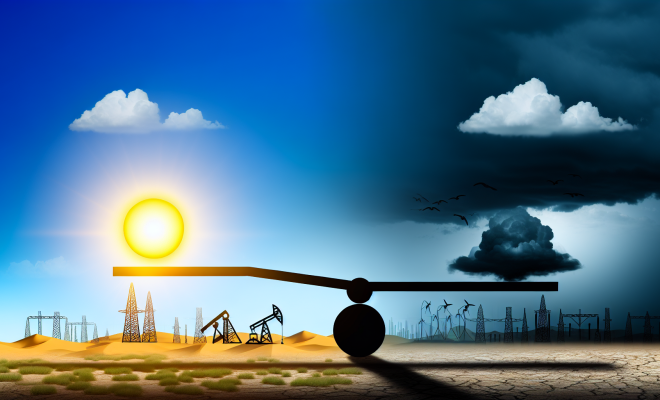
As global leaders and industry executives converge for the ‘Davos of Energy’, the atmosphere is thick with both celebration and anxiety. This year’s gathering comes at a tumultuous time, as the ongoing war in Iran has significantly impacted energy markets, sending oil prices soaring above $100 per barrel. With prices up a staggering 75% year-to-date, the implications for the global economy are profound and troubling.
Oil Prices Surge Amidst Geopolitical Turmoil
The ongoing conflict in Iran has created a volatile energy landscape, prompting fears of a long-term demand destruction that could undermine economic stability worldwide. Executives at the Davos event voiced concerns that the current surge in oil prices could be just the beginning of a broader economic fallout.
Industry Leaders Express Concerns
Chevron’s CEO, Mike Wirth, was particularly vocal about the looming repercussions of the war. He asserted that the real economic impacts are becoming increasingly apparent, indicating that the current state of the oil market does not reflect the true value of commodities. Wirth emphasized that “commodities remain underpriced”, suggesting that the market has yet to fully account for the geopolitical risks that could disrupt supply chains and elevate prices further.
In a similar vein, Dow Chemical’s CEO forecasted that the inflationary effects stemming from elevated energy prices would persist through the end of the year. His comments underline a growing consensus among industry leaders that the repercussions of the Iran war extend far beyond the immediate spike in oil prices, affecting various sectors and potentially leading to a broader economic downturn.
Inflation and the Threat of Recession
The steep rise in oil prices is raising alarms about inflation, which has already been a pressing concern as countries recover from the pandemic. High energy costs can ripple through the economy, impacting everything from transportation to manufacturing, thereby inflating prices for consumers.
- Fuel costs rise, increasing transportation expenses.
- Manufacturers face higher costs for raw materials.
- Consumers may see prices for everyday goods soar.
These factors contribute to a challenging environment for policymakers who are tasked with managing economic stability. The potential for a global recession looms large, with many economists warning that sustained high energy prices could stifle economic growth and consumer spending.
Energy Transition and Future Demand
Amid this crisis, the conversation at the Davos gathering also touched on the ongoing energy transition towards renewable sources. Executives acknowledged the necessity for a shift to sustainable energy but also highlighted the immediate challenges posed by the current geopolitical climate. The war in Iran serves as a stark reminder of the vulnerabilities inherent in global energy supply chains.
Some leaders advocate for a balanced approach, suggesting that while investing in renewable energy is crucial for the future, it must be complemented by strategies that stabilize current energy supplies. This dual approach is seen as essential for mitigating the risks of energy shortages that could arise from geopolitical conflicts.
Looking Ahead: Navigating Uncertainty
As the Davos of Energy continues, industry leaders are tasked with navigating a complex landscape characterized by uncertainty and volatility. The mixed sentiments expressed by executives reflect a broader unease about the future of global energy markets. While the current high prices might seem beneficial for energy companies in the short term, the long-term implications could be detrimental if sustained inflation leads to a decrease in consumer demand.
Wirth’s comments about the underpricing of commodities serve as a cautionary note for investors and policymakers alike. As the conflict in Iran drags on, the potential for further disruptions in oil supply remains a significant concern, and the effects on the global economy could be far-reaching.
Concluding Thoughts
The ‘Davos of Energy’ serves as a critical platform for discussing these pressing issues, allowing leaders to share insights and strategies for addressing the challenges posed by the current geopolitical crisis. As the world grapples with the fallout from the Iran war, the energy sector finds itself at a crossroads, with the potential for both growth and disruption on the horizon.
In conclusion, while there is a palpable sense of celebration among energy executives regarding high prices, the underlying anxiety about the future of demand, inflation, and the risk of recession cannot be ignored. The coming months will be pivotal in determining how the energy sector adapts to this new reality and what it means for the global economy.