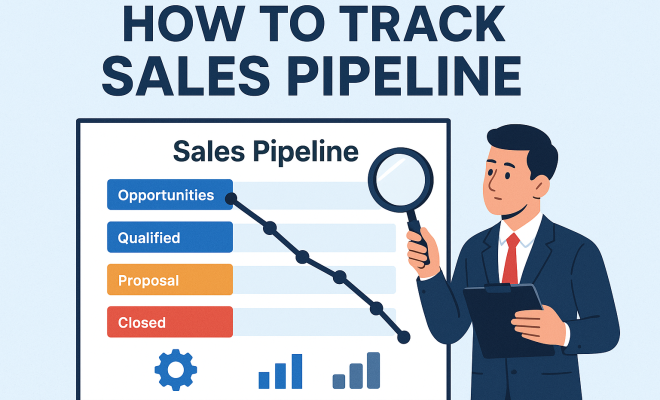
How to track sales pipeline
“`html
The process of sales pipeline tracking is crucial for businesses looking to streamline their sales strategies and improve overall efficiency. A well-defined sales pipeline helps organizations visualize their sales process, identify bottlenecks, and ultimately close deals more effectively. In this article, we’ll explore the intricacies of sales pipeline tracking, offering practical insights and actionable steps to optimize your approach.
1. Understanding the Sales Pipeline
Before diving into sales pipeline tracking, it’s essential to understand what a sales pipeline is. At its core, a sales pipeline is a visual representation of all the stages that a potential customer goes through before making a purchase. This journey typically includes stages like lead generation, qualification, proposal, negotiation, and closing. By mapping out these stages, businesses can gain clearer insights into their sales activities, enabling more effective decision-making.
Sales pipeline tracking is about monitoring the progression of leads through these stages. It provides sales teams with critical information about where each prospect stands, the potential revenue they represent, and what actions are necessary to move them along. This tracking can be done through various methods, from simple spreadsheets to advanced CRM software, depending on the complexity and needs of the organization.
2. The Importance of Sales Pipeline Tracking
Effective sales pipeline tracking is not just a matter of keeping tabs on prospects; it’s about understanding the entire sales process. This insight can lead to increased conversion rates, improved forecasting, and better resource allocation. For instance, knowing where prospects tend to drop off in the pipeline allows sales teams to proactively address issues and refine their strategies.
Moreover, sales pipeline tracking aids in setting realistic sales goals. When businesses understand their historical conversion rates and average deal sizes, they can create accurate forecasts that guide budgeting and planning. Ultimately, this clarity can lead to more efficient operations, as resources are allocated more effectively based on real data.
3. Key Metrics to Track in Your Sales Pipeline
Successful sales pipeline tracking involves monitoring several key metrics that provide insights into performance. These metrics include:
- Lead Volume: The number of leads entering the pipeline, which indicates the effectiveness of your marketing efforts.
- Conversion Rate: The percentage of leads that successfully move from one stage to the next, highlighting where potential issues may arise.
- Average Deal Size: Understanding the typical revenue generated per sale helps in forecasting.
- Sales Cycle Length: The average time it takes for a lead to move through the pipeline, which can impact cash flow and resource management.
- Win Rate: The ratio of closed deals to total opportunities, providing a clear picture of sales effectiveness.
Each of these metrics offers unique insights into the performance of your sales efforts. Regularly reviewing them can help identify trends, challenges, and opportunities for improvement.
4. Choosing the Right Tools for Sales Pipeline Tracking
Selecting the right tools for sales pipeline tracking is vital to streamline the process. There are many options available, ranging from free tools like spreadsheets to sophisticated CRM systems. Consider factors like budget, team size, and specific needs when making your choice.
Popular CRM options include Salesforce, HubSpot, and Pipedrive, each offering unique features tailored to different business needs. For instance, Salesforce provides robust customization options and extensive reporting capabilities, whereas HubSpot is known for its user-friendly interface and integration with marketing tools. Whatever tool you choose, ensure it provides visibility into each stage of the sales process and facilitates collaboration among team members.
5. Visualizing Your Sales Pipeline
Visualization is a key component of effective sales pipeline tracking. The clearer you can make the pipeline, the easier it is to understand where each prospect stands. Most CRM tools offer customizable dashboards that allow you to visualize your pipeline in different ways—whether through bar charts, funnel diagrams, or detailed lists.
Using visual representation helps not only your sales team but also stakeholders across the organization. A well-structured pipeline visual can quickly communicate the health of the sales process, making it easier to identify trends and areas needing attention. Additionally, visuals can help in training new team members, as they provide a straightforward overview of the sales stages and expectations. (See: Sales pipeline definition and stages.)
6. Implementing Effective Sales Strategies
Once you’ve established your sales pipeline and tracking methods, it’s essential to implement strategies that effectively move prospects through each stage. This might include personalized outreach, targeted marketing efforts, or special promotions designed to incentivize prospects to act.
For instance, using lead nurturing tactics such as email campaigns or follow-up calls can help maintain engagement with potential customers who may be in the consideration stage. Moreover, leveraging data insights from your sales pipeline can inform your strategies, allowing for more targeted and effective approaches tailored to specific customer needs.
7. Training Your Sales Team
A sales team can only be as effective as its training. Ensure that your team understands how to use the chosen tools for sales pipeline tracking and the metrics that matter. Regular training sessions can help with this, as can providing ongoing support and resources.
Moreover, encourage an open culture where sales team members can share their experiences and insights with the pipeline process. This team collaboration not only fosters a sense of ownership over the sales process but can also lead to innovative strategies and solutions that improve performance.
8. Reviewing and Refining Your Sales Pipeline
Finally, regular reviews of your sales pipeline tracking process are essential. Set a schedule—whether it’s weekly, monthly, or quarterly—to evaluate performance metrics, assess the effectiveness of current strategies, and identify areas for improvement. This iterative approach ensures that your sales pipeline remains dynamic and responsive to changes in the market or customer behavior.
Adjusting the pipeline based on feedback and performance data will help optimize your sales processes over time, making it a living tool that grows and evolves with your business. In doing so, you’ll position your organization for ongoing success in converting leads into loyal customers.
9. Advanced Sales Pipeline Tracking Techniques
As your business grows, you may need to adopt more advanced techniques for sales pipeline tracking. One method involves implementing predictive analytics. By analyzing historical data, you can forecast future sales trends and make data-driven decisions. Predictive analytics can help you identify which leads are most likely to convert based on past behaviors and characteristics.
Another advanced technique is the use of artificial intelligence (AI) and machine learning (ML) in sales pipeline tracking. These technologies can analyze vast amounts of data faster than any human, identifying patterns and insights that may not be immediately apparent. For example, AI can help prioritize leads based on their likelihood to convert, allowing your sales team to focus their efforts where they’re most likely to yield results.
Additionally, consider implementing automated workflows within your CRM. Automation can handle repetitive tasks, such as sending follow-up emails or scheduling calls, freeing up your sales team’s time to focus on building relationships and closing deals. By integrating automation into your sales pipeline, you can reduce the risk of human error and enhance overall efficiency.
10. Case Studies: Success Stories in Sales Pipeline Tracking
Learning from real-world examples can provide valuable insights into effective sales pipeline tracking. Company A, a software-as-a-service (SaaS) provider, implemented a new CRM system with advanced tracking features. By analyzing their sales pipeline data, they discovered that a significant number of leads were dropping off during the negotiation stage due to pricing objections. Armed with this knowledge, they adjusted their pricing strategy and introduced flexible payment plans, resulting in a 30% increase in closed deals within three months.
Company B, a B2B consulting firm, utilized predictive analytics to enhance their sales pipeline tracking. They identified that certain industries had a higher conversion rate than others. Using this data, they tailored their marketing efforts to target these industries more aggressively, resulting in a 50% increase in lead generation in just six months. By leveraging their pipeline data intelligently, they optimized their strategies for better outcomes.
11. Common Challenges in Sales Pipeline Tracking
Despite its many benefits, sales pipeline tracking can come with challenges. One common issue is data quality. If the data you’re entering into your tracking system is inaccurate or incomplete, it can lead to misguided decisions. Ensuring that your team understands the importance of accurate data entry and implementing regular audits can mitigate this problem.
Another challenge is user adoption. If your sales team is resistant to using the tracking tools, it can hinder the effectiveness of your sales pipeline. To combat this, offer comprehensive training and demonstrate how these tools can make their jobs easier and more effective. Highlight success stories and provide ongoing support to foster enthusiasm and buy-in. (See: CDC Youth Risk Behavior Survey.)
Finally, sales pipeline tracking can sometimes become too complex. If you’re tracking too many metrics or stages, it can overwhelm your team and dilute focus. Simplifying your pipeline and concentrating on the most critical metrics helps maintain clarity and effectiveness.
12. Frequently Asked Questions (FAQ) About Sales Pipeline Tracking
What is sales pipeline tracking?
Sales pipeline tracking refers to the process of monitoring the various stages of potential customer interactions leading to a sale. It includes tracking metrics related to leads, opportunities, and conversions, allowing businesses to assess the effectiveness of their sales strategies.
Why is sales pipeline tracking important?
Sales pipeline tracking is essential because it provides visibility into the sales process, helping businesses identify bottlenecks, optimize strategies, and set realistic sales forecasts. This leads to improved conversion rates and more efficient operations.
What metrics should I focus on for effective pipeline tracking?
Key metrics to focus on include lead volume, conversion rate, average deal size, sales cycle length, and win rate. These metrics offer valuable insights into your sales performance and help identify areas for improvement.
How often should I review my sales pipeline?
Regular reviews vary by business, but setting a schedule to evaluate performance at least monthly is advisable. This allows you to adapt strategies based on current data and maintain a dynamic sales process.
Can I automate my sales pipeline tracking?
Yes, many CRM systems offer automation features. Automating routine tasks, such as follow-up reminders or data entry, can increase efficiency and allow your sales team to focus on high-value activities.
What are some common pitfalls to avoid in sales pipeline tracking?
Common pitfalls include poor data quality, lack of user adoption, overcomplicating the pipeline, and not regularly reviewing and refining your tracking process. Addressing these issues proactively will help you achieve better results in your sales efforts.
13. Future Trends in Sales Pipeline Tracking
As technology continues to evolve, so will the methods and tools for sales pipeline tracking. One significant trend is the growing emphasis on customer experience. Businesses are starting to track not just sales metrics, but also customer interactions, feedback, and satisfaction levels. By doing so, they can tailor their approach to meet customer needs more effectively, fostering loyalty and long-term relationships.
Another trend is the integration of social media analytics into sales pipeline tracking. Platforms like LinkedIn and Facebook provide a wealth of data on potential leads and customers. By leveraging this information, businesses can enhance their targeting efforts and engage more meaningfully with prospects.
Additionally, as remote work becomes more prevalent, sales pipeline tracking tools are evolving to support distributed teams. Cloud-based solutions that facilitate collaboration and real-time updates are becoming essential for businesses with remote employees, ensuring continuity and transparency across the sales process. (See: New York Times on sales strategies.)
14. Sales Pipeline Tracking in Various Industries
The principles of sales pipeline tracking apply across multiple industries, but the specific implementation can vary significantly. Understanding these differences can help tailor your approach for maximum effectiveness.
1. Technology and Software
In the technology sector, sales cycles can be lengthy and complex, often involving multiple stakeholders. Here, pipeline tracking focuses heavily on lead nurturing, educating prospects through webinars, demos, and technical documentation. This industry often uses metrics such as “time to close” and “number of demos per stage” to evaluate effectiveness.
2. Real Estate
Real estate sales pipelines are highly visual and often include stages like property listings, property showings, and negotiations. Real estate agents frequently use CRM tools tailored to their needs, focusing on client relationships, follow-up tasks, and property-specific details. Tracking metrics like the average number of showings before a sale and the average time a property spends on the market can provide insights into the effectiveness of marketing strategies.
3. E-commerce
In the e-commerce industry, the sales pipeline can be less linear, with many customers entering through different channels, such as social media ads or search engine results. Tracking user behavior on the website, abandoned cart rates, and conversion rates from various traffic sources becomes crucial. E-commerce businesses often implement advanced analytics to understand which channels yield the highest ROI.
4. B2B Services
For businesses offering B2B services, the pipeline might consist of detailed proposals and contract negotiations. Here, tracking the time spent on each proposal and the number of revisions required can provide vital insights into efficiency. Understanding client feedback during negotiations can help refine proposals, leading to improved conversion rates.
15. Integrating Sales Pipeline Tracking with Other Business Functions
Integrating sales pipeline tracking with other business functions can lead to a more cohesive approach and yield better results. Collaboration between sales, marketing, and customer service enhances your overall strategy and improves customer satisfaction.
For instance, when sales teams share insights from the pipeline with marketing, it can refine lead generation strategies. If sales identify that leads from certain campaigns convert better, marketing can allocate resources more effectively. Similarly, customer service can gain valuable insights into common questions or hurdles prospects face during the sales process, allowing them to proactively address concerns.
16. Conclusion
In summary, sales pipeline tracking is a multifaceted process that requires attention to detail, the right tools, and a commitment to continuous improvement. By understanding the various components and leveraging technology effectively, businesses can optimize their sales processes and drive greater success in their sales efforts. Staying informed about industry trends and continuously refining your approach will ensure your business remains competitive and responsive to client needs.
“`
Trending Now
Frequently Asked Questions
What is a sales pipeline?
A sales pipeline is a visual representation of the stages that a potential customer goes through before making a purchase. These stages typically include lead generation, qualification, proposal, negotiation, and closing. Understanding the sales pipeline helps businesses visualize their sales process and make informed decisions.
Why is sales pipeline tracking important?
Sales pipeline tracking is crucial for understanding the entire sales process, leading to increased conversion rates and better resource allocation. It enables teams to identify bottlenecks and refine strategies, ultimately improving forecasting and setting realistic sales goals based on historical data.
How can I track my sales pipeline?
You can track your sales pipeline using various methods, ranging from simple spreadsheets to advanced CRM software. The choice depends on the complexity of your sales process and the specific needs of your organization. Effective tracking allows you to monitor the progression of leads through different stages.
What are the stages of a sales pipeline?
The stages of a sales pipeline typically include lead generation, qualification, proposal, negotiation, and closing. These stages help businesses understand where prospects are in the sales process and what actions are needed to move them forward.
How does sales pipeline tracking improve sales strategies?
Sales pipeline tracking enhances sales strategies by providing insights into where prospects drop off and identifying areas for improvement. This information allows sales teams to proactively address issues, refine their approach, and ultimately increase conversion rates and close more deals.
What’s your take on this? Share your thoughts in the comments below — we read every one.