Iran-Israel Conflict: Global Crisis & Humanitarian Catastrophe
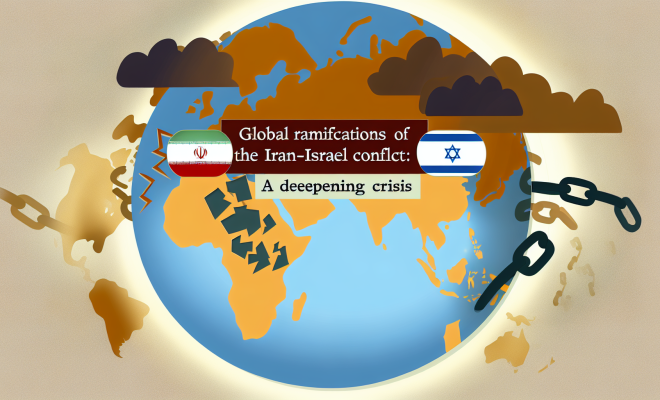
The ongoing conflict involving Iran and Israel has escalated into a multifaceted crisis that is reverberating across the globe. As both nations engage in talks, the implications of this war are profound, touching economic, political, and humanitarian spheres. The Israel-Hezbollah war, which is inextricably linked to the Iranian conflict, has already displaced over a million people and resulted in nearly 1,900 fatalities. This turmoil has also led to the shutdown of the Strait of Hormuz, a crucial maritime passage through which approximately one-fifth of the world’s oil is transported, severely impacting global energy supplies.
A Fragile Humanitarian Situation
The humanitarian crisis resulting from the Israel-Hezbollah war is staggering. With more than a million individuals displaced, the region witnesses an influx of refugees seeking safety and basic necessities. The death toll continues to rise, with reports indicating nearly 1,900 lives lost due to the conflict. This devastation not only highlights the immediate human suffering but also poses long-term challenges for international aid organizations attempting to provide relief.
Economic Impacts and Oil Supply Disruptions
The shutdown of the Strait of Hormuz has raised alarms within global markets. As one of the most significant chokepoints for oil transportation, any disruption in this area can lead to soaring oil prices and economic instability worldwide. The closure has already begun to strain oil supply chains, prompting fears of inflation and reduced availability of energy resources.
Additionally, regional oil facilities have suffered damage due to the ongoing conflict. This destruction not only affects immediate production capabilities but also raises concerns about future investments in Middle Eastern oil infrastructure, potentially leading to long-term economic repercussions.
The Resilience of Iran’s Theocracy
Despite widespread protests and military airstrikes aimed at destabilizing its regime, Iran’s theocracy remains resilient. The conflict has provided Tehran with newfound economic leverage, allowing it to consolidate power amidst external pressures. As the U.S. and Israel grapple with their own internal political landscapes, Iran appears to be strategically positioning itself as a formidable player in the region.
The ongoing unrest within Iran, fueled by demands for social reform and economic stability, has not diminished the regime’s grip on power. Instead, the conflict has diverted attention from domestic issues, enabling the government to capitalize on nationalist sentiments and rally support against perceived external threats.
Political Ramifications in the U.S. and Israel
As the U.S. and Israel prepare for elections this year, the outcomes may hinge on how well current leaders address the ongoing war and its consequences. Both nations face pressure to meet war aims while navigating complex international dynamics. In the U.S., leaders are under scrutiny for their foreign policy decisions, and any perceived failure to manage the situation could impact electoral outcomes.
Similarly, in Israel, Prime Minister Benjamin Netanyahu’s administration faces challenges in balancing domestic security concerns with international diplomatic efforts. The political landscape in both countries could shift dramatically, depending on the public’s perception of the handling of this crisis.
NATO and Global Military Dynamics
The ongoing conflict has begun to strain NATO alliances, with member states divided on how to respond to the situation in the Middle East. Some nations advocate for a more aggressive stance against Iran, while others call for diplomatic engagement. This division could weaken NATO’s collective response capabilities and complicate future military collaborations.
Iran’s position in the region has been further emboldened, particularly against Gulf Arab states that have historically been adversarial. As Iran strengthens its influence, Gulf nations are left to reconsider their security strategies, potentially leading to a recalibration of military alliances and partnerships.
Future Prospects and the Path Forward
The future remains uncertain as the U.S. and Iran engage in talks amid the backdrop of a destabilized region. The complexities of the geopolitical landscape demand careful navigation to prevent further escalation. Diplomatic efforts must address not only the immediate conflict but also the underlying issues that have perpetuated tensions in the region.
As nations observe the developments in Iran and Israel, the global community must remain vigilant and responsive to the ever-changing dynamics. The consequences of this conflict extend far beyond the Middle East, affecting global economic stability, humanitarian efforts, and international relations for years to come. The ongoing war serves as a stark reminder of the interconnectedness of global politics and the far-reaching impacts of regional conflicts.