Genetic Engineering in Livestock: An Ethical Debate
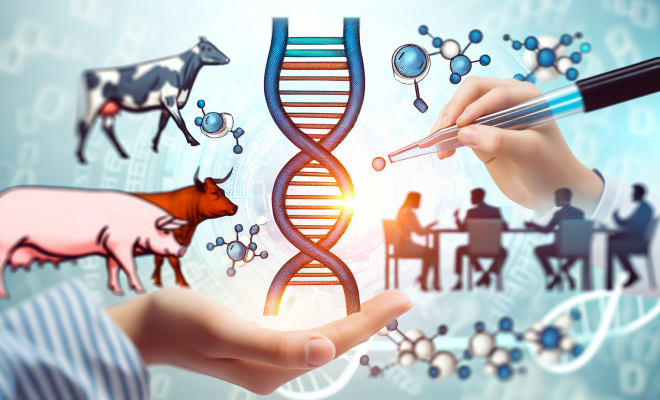
In recent years, the field of genetic engineering in livestock has witnessed groundbreaking innovations that are reshaping the future of food production. With the world facing increasing challenges related to food security, researchers are leveraging genetic insights to enhance breeding practices. However, these scientific advancements are not without controversy, igniting a passionate debate about biotechnology, animal welfare, and environmental sustainability. As communities and consumers grapple with the implications, the conversations surrounding these developments are far-reaching and emotionally charged.
Understanding Genetic Engineering in Livestock
Genetic engineering in livestock involves manipulating an animal’s genetic material to achieve desired traits, such as disease resistance, improved growth rates, and enhanced reproductive efficiency. Such techniques include CRISPR gene editing, traditional breeding methods, and selective breeding based on genomic data. These innovations aim to improve livestock health and productivity, ultimately contributing to global food security.
The Promise of Genomic Innovations
One of the most significant advantages of genomic innovations in livestock is their potential to address pressing global food needs. As the world’s population continues to grow, the demand for high-quality protein sources is skyrocketing. According to the Food and Agriculture Organization (FAO), global meat consumption is projected to rise by 73% between 2010 and 2050. To meet this demand sustainably, the agricultural sector is turning towards scientific advancements, particularly in genetic engineering.
- Enhanced Disease Resistance: Genetic modifications can lead to livestock breeds that are more resilient to diseases, reducing the need for antibiotics and other medications.
- Improved Growth Rates: By optimizing growth traits, farmers can produce meat more efficiently, thereby reducing the environmental footprint associated with livestock production.
- Better Feed Conversion: Genetically engineered animals may require less feed to achieve optimal weight, improving the sustainability of feed resources and reducing costs for farmers.
The Ethical Debate
Despite these benefits, the rise of genetic engineering in livestock has sparked a complex ethical debate. Critics argue that tampering with the genetic makeup of animals raises significant animal welfare concerns. Questions about the long-term effects on animal health and well-being loom large, as opponents worry that genetic modifications may lead to unforeseen health issues or suffering.
Animal Welfare Concerns
Proponents of animal rights argue that genetic engineering could lead to unnatural and potentially harmful consequences for livestock. For example, the introduction of new traits might compromise the animals’ ability to cope with their natural environment, leading to increased stress, disease susceptibility, and overall degradation of quality of life. Many animal welfare advocates call for more stringent regulations and ethical guidelines to ensure humane treatment in the face of genetic modifications.
Environmental Sustainability and Food Safety
Beyond ethical considerations surrounding animal welfare, there are pressing concerns about the environmental impacts of genetic engineering in livestock. With climate change and environmental degradation posing critical threats to food production, the agricultural sector must consider sustainable practices. Some argue that genetic engineering offers the potential to reduce greenhouse gas emissions and resource consumption by creating livestock that require less input for greater output.
Potential Environmental Benefits
Genetically engineered livestock could lead to:
- Lower Emissions: Breeds optimized for feed efficiency may produce fewer emissions per unit of meat.
- Resource Conservation: Enhanced traits can result in a reduced need for land, water, and feed, easing pressure on natural resources.
- Reduced Waste: Genetic innovations can lead to healthier animals that produce less waste, contributing to improved waste management practices.
Connecting Veterinary Genomics to Human Health
Interestingly, advancements in genetic engineering in livestock also intersect with human health issues, revealing surprising connections. Research shows that veterinary genomics can provide insights into human diseases, shedding light on genetic factors that may affect both animals and humans. For instance, studies on genetic conditions in livestock can inform medical research, helping scientists understand similar diseases in humans.
Improving Health Outcomes Through Comparative Genomics
By employing comparative approaches, researchers can identify genetic markers linked to health challenges in both animals and humans. This not only enhances veterinary care but also has the potential to improve public health outcomes. For example, understanding how specific genetic traits affect disease resistance in livestock could lead to better management practices that minimize the risk of zoonotic diseases—those that can be transmitted from animals to humans.
Public Perception and Social Media Influence
The rising discourse surrounding genetic engineering in livestock has garnered significant attention on social media, where polarized opinions flourish. Supporters of genetic engineering highlight its efficiency and potential to solve food security issues, while critics voice deep-seated ethical and safety concerns.
The Role of Social Media in Shaping Opinions
Social media platforms have become battlegrounds for these discussions, amplifying messages on both sides of the debate. Influencers, advocacy groups, and concerned citizens are sharing information, memes, and personal narratives that influence public perception. As a result, the conversation surrounding genetic engineering in livestock is often marked by emotion and urgency, compelling people to engage in activism or advocacy.
Regulatory Landscape and Future Directions
As genomic innovations gain traction, the regulatory landscape surrounding genetic engineering in livestock must evolve. Governments and regulatory bodies must balance the need for scientific progress with ethical considerations and public safety. This ongoing challenge requires collaborative efforts between scientists, policymakers, and stakeholders.
Establishing Ethical Guidelines
The establishment of ethical guidelines is crucial to navigating the complexities of genetic engineering in livestock. These guidelines should address:
- Animal Welfare Standards: Ensuring that genetic modifications do not compromise the health and well-being of livestock.
- Environmental Impact Assessments: Evaluating the ecological consequences of introducing genetically engineered breeds into existing ecosystems.
- Consumer Transparency: Providing clear information to consumers regarding the use of genetic engineering in food production.
Conclusion: Navigating the Future of Food Production
As the world wrestles with the challenges of food security, climate change, and ethical considerations, the future of genetic engineering in livestock remains uncertain yet promising. The intersection of biotechnology, animal welfare, and environmental sustainability will continue to fuel debate and discourse among scientists, policymakers, and consumers alike. Ultimately, finding a balance between innovation and ethical responsibility will be paramount in shaping the future of food production and addressing global challenges.
By fostering open dialogue and informed decision-making, society can work towards harnessing the potential of genetic engineering in livestock while ensuring that ethical considerations remain at the forefront of agricultural practices.