Sober, Digital Detox, & AI Travel: New Trends Emerge
Introduction
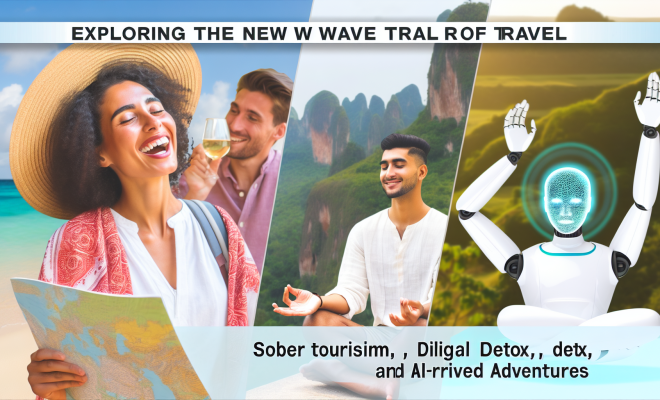
The travel industry is undergoing a remarkable transformation, reflecting a shift in consumer preferences that prioritizes wellness, mindfulness, and personalized experiences. As travelers seek to redefine their getaways, three significant trends have emerged: sober or ‘dry tourism,’ the rise of quiet no-WiFi holidays, and the increasing reliance on AI-powered trip planning tools. This article delves into these trends, exploring how they reflect evolving consumer values and the desire for more intentional and meaningful travel experiences.
The Rise of Sober or Dry Tourism
In recent years, a notable trend has emerged in the travel sector: sober tourism, where travelers consciously choose to avoid alcohol-centric activities and experiences. This movement is not merely a response to the increasing awareness of alcohol-related health issues but also a reflection of a broader cultural shift towards wellness and self-care.
Understanding Sober Tourism
Sober tourism encompasses a wide range of activities and experiences that cater to individuals seeking to enjoy their travels without the influence of alcohol. This can include wellness retreats, nature excursions, and cultural experiences that focus on mindfulness and health. According to recent studies, approximately 30% of millennials and Gen Z travelers are opting for alcohol-free vacations, highlighting a generational shift in attitudes towards drinking.
- Wellness Retreats: Many travelers are gravitating towards retreats focused on yoga, meditation, and holistic healing, offering a serene environment to recharge without the lure of nightlife.
- Cultural Experiences: Travelers are increasingly interested in immersing themselves in local cultures through cooking classes, art workshops, and community engagement, all of which can be enjoyed without alcohol.
- Adventure Activities: Outdoor adventures such as hiking, cycling, and kayaking provide exhilarating experiences that promote physical health and well-being.
Health and Well-Being Focus
The rise of sober tourism aligns closely with the growing emphasis on health and well-being among consumers. The Covid-19 pandemic has prompted many to reassess their lifestyles, leading to a newfound appreciation for physical and mental wellness. For many, the choice to travel without alcohol is part of a larger commitment to a healthier lifestyle.
Market Response
In response to this trend, many destinations and travel companies are adapting their offerings to cater to sober tourists. Hotels and resorts are beginning to provide alcohol-free options, including mocktail menus, wellness programs, and activities that promote a balanced lifestyle. Additionally, events such as sober festivals and retreats are gaining popularity, drawing travelers who wish to socialize and enjoy leisure activities without the presence of alcohol.
The Allure of Quiet No-WiFi Holidays
As the world becomes increasingly interconnected through technology, a contrasting trend is emerging: the desire for quiet no-WiFi holidays. Travelers are increasingly seeking escapes that allow them to disconnect from their digital devices and immerse themselves in nature and tranquility.
Digital Detox: A Necessity
Digital detoxing has become a buzzword in the travel industry, and for good reason. The constant barrage of notifications and the pressure to remain connected can lead to increased stress and anxiety. A growing number of travelers are recognizing the benefits of unplugging during their vacations, leading to a resurgence in no-WiFi destinations.
- Rest and Relaxation: Without the distractions of social media and email, travelers can focus on relaxation, mindfulness, and rejuvenation.
- Enhanced Connection: Disconnecting from technology allows for more meaningful interactions with travel companions and local cultures.
- Nature Immersion: Many no-WiFi destinations are located in natural settings, promoting outdoor activities that foster mental and physical well-being.
Popular Destinations for No-WiFi Holidays
Several destinations are becoming synonymous with the no-WiFi holiday trend, offering serene environments free from digital distractions. Here are a few notable examples:
- Remote Cabins and Cottages: Secluded properties in nature allow travelers to enjoy the beauty of their surroundings without the noise of technology.
- Wellness Retreats: Facilities that focus on holistic health often incorporate digital detox programs, encouraging guests to unplug during their stay.
- Nature Reserves: Many parks and reserves are located in areas with limited connectivity, providing the perfect backdrop for a quiet escape.
AI-Powered Trip Planning
While many travelers are seeking to disconnect, they are also embracing technology in new and innovative ways. The rise of AI-powered trip planning tools is revolutionizing how individuals approach their travel arrangements, offering personalized recommendations and streamlined processes.
The Benefits of AI in Travel Planning
AI technology is transforming the travel landscape by providing tailored experiences that align with personal preferences. Travelers can now access intelligent algorithms that analyze their past behaviors and preferences to suggest optimal travel itineraries, accommodations, and activities.
- Personalized Recommendations: AI tools can curate travel experiences based on individual interests, making it easier for travelers to discover new destinations and activities.
- Time-Saving: Automated trip planning reduces the time spent on research and booking, allowing travelers to focus on enjoying their vacations.
- Real-Time Adjustments: AI can offer real-time updates and suggestions during travel, ensuring that experiences are tailored to current conditions and preferences.
Examples of AI-Powered Tools
Several companies are at the forefront of integrating AI into travel planning, providing users with innovative solutions:
- TripIt: This app organizes travel itineraries and provides real-time updates on flights, accommodations, and more based on user preferences.
- Google Travel: Google’s AI-driven platform offers personalized travel suggestions based on user search history and preferences, making it easier to plan trips.
- Kayak: This travel search engine utilizes AI to provide users with tailored recommendations and price predictions, helping travelers make informed decisions.
The Intersection of Trends
The convergence of sober tourism, quiet no-WiFi holidays, and AI-powered trip planning reflects a broader shift in travel motivations. Today’s travelers are not only looking for unique experiences but are also prioritizing wellness and disconnection from the chaos of modern life.
Intentional Travel
Travelers are increasingly seeking intentional experiences, opting for journeys that nourish the mind, body, and spirit. This intentionality is evident in the choices they make, from selecting destinations to engaging in activities that foster personal growth and well-being.
Technology as a Tool, Not a Distraction
While many are yearning for disconnection, technology is still a valuable resource in the travel planning process. AI-powered tools enable travelers to curate personalized experiences that align with their values and preferences, allowing technology to enhance rather than detract from the travel experience.
Conclusion
The travel industry is at a pivotal point, with consumers increasingly prioritizing wellness, mindfulness, and personalized experiences. The rise of sober tourism, quiet no-WiFi holidays, and AI-powered trip planning are clear indicators of this shift, reflecting a desire for more meaningful and intentional travel. As travelers continue to redefine their journeys, the industry must adapt to meet these evolving preferences, ensuring that future travel experiences are both enriching and fulfilling.