Rethink Crisis Response: 150+ Police Alternatives (2026)
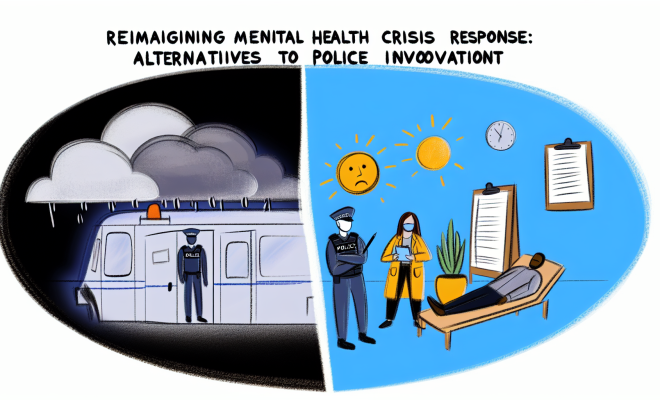
In a groundbreaking report released on April 1, 2026, by a coalition of advocacy organizations—including Human Rights Watch, New York Lawyers for the Public Interest, and the Center for Racial and Disability Justice at UCLA Law School—researchers have identified over 150 non-police crisis response models throughout the United States. The findings highlight the urgent need for alternatives to police-led responses in handling mental health emergencies, emphasizing the potential for more compassionate and effective interventions.
Police Responses Often Escalate Crises
The report critically examines the current paradigm in which police are often the first responders to mental health crises. This model has been widely criticized for escalating situations rather than de-escalating them, particularly in communities of color and among individuals with disabilities. By employing a police-led approach, the report argues, we risk further traumatizing individuals in distress, leading to unnecessary arrests or even violence.
The Role of Lived Experience in Crisis Intervention
A key recommendation of the report is to deploy crisis response teams composed of individuals with lived experience in mental health and substance abuse issues. These teams are trained not only in crisis de-escalation techniques but also in providing rights-based support tailored to the needs of those in crisis. The report emphasizes that such teams can foster a more understanding and empathetic environment, allowing individuals to feel safe and supported.
Surveying the Landscape of Crisis Response Models
The survey of 150 non-police crisis response models reveals a diverse array of approaches that have proven effective in various communities. Some notable examples include:
- Mobile Crisis Units: Teams that provide on-the-spot support and intervention in mental health emergencies, often consisting of social workers and mental health professionals.
- Peer Support Networks: Groups comprised of individuals who have experienced similar challenges, offering relatable guidance and support.
- Community-Based Organizations: Local organizations that focus on mental health and substance abuse, providing resources and support without police involvement.
These models demonstrate that effective crisis intervention does not necessarily require law enforcement. Instead, they showcase the potential for community-led responses that prioritize mental health and well-being.
Advocacy for Expansion of Alternatives
The findings of the report have invigorated advocacy efforts aimed at expanding these non-police responses nationwide. Activists argue that investing in these alternatives is not only a matter of social justice but also a pragmatic approach to public safety. By reallocating resources from police budgets to mental health services, communities can create a safety net that addresses the root causes of crises.
Challenges and Considerations
While the report presents a compelling case for alternatives to police-led crisis responses, there are significant challenges to implementation. Many communities lack the necessary funding to support the development and sustainability of these programs. Additionally, there may be resistance from law enforcement agencies that view the reduction of police involvement as a threat to public safety.
Furthermore, the report underscores the importance of integrating these alternatives into a broader public health framework. This includes improving access to mental health services, enhancing training for first responders, and fostering collaboration among various stakeholders, including mental health professionals, community organizations, and law enforcement.
Moving Towards a Compassionate Response
The call for alternatives to police-led mental health crisis response is gaining momentum as public awareness of mental health issues increases. The report serves as a critical resource for advocates pushing for reform, highlighting the need for a paradigm shift in how society addresses mental health emergencies.
As communities consider new models for crisis intervention, the emphasis on lived experience and rights-based support will be essential in crafting effective responses. By prioritizing compassion and equity, we can create systems that not only protect individuals in crisis but also promote overall community well-being.
Conclusion
The findings from the coalition’s report challenge us to rethink our approach to mental health crises. By embracing non-police crisis response models and investing in community-led initiatives, we have the opportunity to create a more just and supportive environment for individuals facing mental health challenges. As advocacy efforts continue to grow, the hope is that these compassionate alternatives will become the norm, transforming crisis response into a pathway for healing rather than a source of fear.