Costco Faces Legal Scrutiny: A Closer Look at the Class Action Lawsuit Testing California’s Automatic Renewal Law Compliance
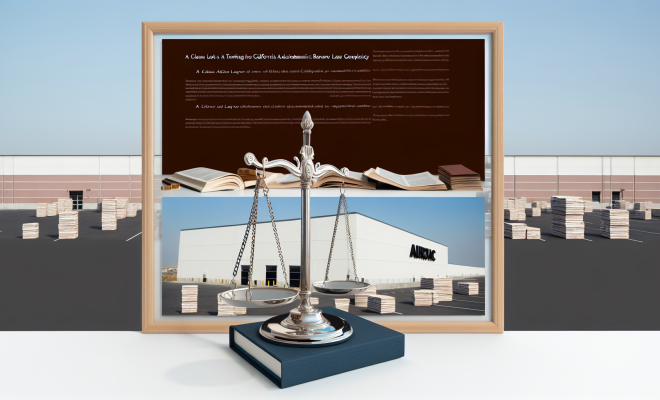
In a significant legal development, a proposed class-action lawsuit has been filed against Costco, challenging the retail giant’s membership renewal practices under California’s Automatic Renewal Law (ARL). This lawsuit not only raises questions about Costco’s compliance with state regulations but also underscores a broader trend toward stricter enforcement of automatic renewal requirements across various industries.
The Automatic Renewal Law: An Overview
California’s Automatic Renewal Law, enacted to protect consumers from deceptive subscription practices, requires businesses to clearly disclose the terms of automatic renewals and obtain explicit consent from consumers before initiating such transactions. The law mandates that:
- Businesses must provide clear and conspicuous terms of the automatic renewal offer.
- Explicit consent must be obtained from the consumer before charging for the renewal.
- Businesses are required to send a renewal notice prior to the expiration of the subscription.
Failure to comply with these requirements can lead to legal repercussions, including fines and the potential for class-action lawsuits, as seen in the case against Costco.
The Costco Lawsuit: Key Details
The lawsuit against Costco stems from claims that the company has not adequately complied with the ARL. Plaintiffs argue that Costco’s membership renewal notifications do not meet the clear disclosure requirements mandated by California law. Specifically, the lawsuit claims that:
- Costco’s renewal notices lack sufficient clarity about the terms of renewal.
- The company does not adequately inform consumers about their right to cancel.
- Renewal fees are charged without proper consent from the consumer.
These allegations highlight a growing concern about how businesses communicate with consumers regarding recurring charges and the transparency of such practices.
Implications for ARL Enforcement
The Costco lawsuit is emblematic of a broader trend in California where courts are increasingly emphasizing strict compliance with the Automatic Renewal Law. Legal experts suggest that this case could set a precedent for how automatic renewals are handled not only by Costco but by other businesses operating within the state.
Growing Legal Scrutiny
As consumer protection laws gain traction, businesses are faced with heightened scrutiny regarding their renewal practices. The successful prosecution of the Costco case could embolden other consumers to challenge similar practices across different sectors, leading to a wave of litigation aimed at ensuring compliance with the ARL.
Potential Consequences for Businesses
For companies that offer subscription services or automatic renewals, the stakes are high. Non-compliance with the ARL could result in:
- Significant legal costs associated with defending against lawsuits.
- Potential class-action suits that could result in hefty financial settlements.
- Increased regulatory scrutiny and the need to overhaul existing renewal practices.
As courts continue to interpret the ARL in favor of consumer protection, businesses must reassess their policies to mitigate legal risks.
Best Practices for Compliance
To avoid the pitfalls illustrated by the Costco lawsuit, businesses should consider adopting the following best practices:
- Clear Communication: Ensure that renewal terms are presented in a straightforward manner, with no hidden fees or unclear language.
- Obtain Explicit Consent: Implement a process for obtaining clear affirmative consent from customers before initiating automatic renewals.
- Send Reminder Notices: Provide timely notifications to consumers prior to the renewal date, reminding them of the upcoming charge and how to opt-out.
- Review Subscription Models: Regularly audit subscription models and renewal practices to ensure compliance with current laws.
Conclusion
The proposed class-action lawsuit against Costco serves as a critical reminder of the importance of compliance with California’s Automatic Renewal Law. As courts increasingly enforce these regulations, businesses must be proactive in reviewing and improving their renewal practices to avoid legal challenges. The implications of this case extend beyond just Costco; they signify a pivotal moment for consumer protection laws and the way businesses interact with their customers regarding automatic renewals.
As the legal landscape evolves, companies must remain vigilant and adapt to ensure that they operate within the bounds of the law, safeguarding both their interests and those of their consumers.