The Tech Edvocate

Top Menu

  • Advertisement
  • Apps
  • Home Page
  • Home Page Five (No Sidebar)
  • Home Page Four
  • Home Page Three
  • Home Page Two
  • Home Tech2
  • Icons [No Sidebar]
  • Left Sidbear Page
  • Lynch Educational Consulting
  • My Account
  • My Speaking Page
  • Newsletter Sign Up Confirmation
  • Newsletter Unsubscription
  • Our Brands
  • Page Example
  • Privacy Policy
  • Protected Content
  • Register
  • Request a Product Review
  • Shop
  • Shortcodes Examples
  • Signup
  • Start Here
    • Governance
    • Careers
    • Contact Us
  • Terms and Conditions
  • The Edvocate
  • The Tech Edvocate Product Guide
  • Topics
  • Write For Us
  • Advertise

Main Menu

  • Start Here
    • Our Brands
    • Governance
      • Lynch Educational Consulting, LLC.
      • Dr. Lynch’s Personal Website
      • Careers
    • Write For Us
    • The Tech Edvocate Product Guide
    • Contact Us
    • Books
    • Edupedia
    • Post a Job
    • The Edvocate Podcast
    • Terms and Conditions
    • Privacy Policy
  • Topics
    • Assistive Technology
    • Child Development Tech
    • Early Childhood & K-12 EdTech
    • EdTech Futures
    • EdTech News
    • EdTech Policy & Reform
    • EdTech Startups & Businesses
    • Higher Education EdTech
    • Online Learning & eLearning
    • Parent & Family Tech
    • Personalized Learning
    • Product Reviews
  • Advertise
  • Tech Edvocate Awards
  • The Edvocate
  • Pedagogue
  • School Ratings

logo

The Tech Edvocate

  • Start Here
    • Our Brands
    • Governance
      • Lynch Educational Consulting, LLC.
      • Dr. Lynch’s Personal Website
        • My Speaking Page
      • Careers
    • Write For Us
    • The Tech Edvocate Product Guide
    • Contact Us
    • Books
    • Edupedia
    • Post a Job
    • The Edvocate Podcast
    • Terms and Conditions
    • Privacy Policy
  • Topics
    • Assistive Technology
    • Child Development Tech
    • Early Childhood & K-12 EdTech
    • EdTech Futures
    • EdTech News
    • EdTech Policy & Reform
    • EdTech Startups & Businesses
    • Higher Education EdTech
    • Online Learning & eLearning
    • Parent & Family Tech
    • Personalized Learning
    • Product Reviews
  • Advertise
  • Tech Edvocate Awards
  • The Edvocate
  • Pedagogue
  • School Ratings
  • Oracle Health Breach 2025: The Heartbreaking Cost of 20 Million Compromised Lives

  • This OpenAI ChatGPT Mac App Security Flaw Could Have Exposed Your Data

  • AI Drug Discovery’s First Major Test: This Startup’s Results Just Blew the Lid Off Biotech Ethics

  • Uncovering the Truth: GameSquare’s Big Play Amidst Esports’ Troubled Winter

  • Outrageous: Justin Bieber’s $1.3 Million NFT Now Worth Just $12,000 as Market Plunges

  • 8 Urgent Reasons Why Cybersecurity in Education Needs a Radical Overhaul

  • Devastating: New Medical School Loan Rules Just Blew Up Future Doctors’ Finances

  • Unbelievable: Advanced AI Attempts Cyberattacks — Your Next Threat Intelligence Report Will Look Like This

  • This One Software Glitch Just Recalled 8,500 Cars — Who’s to Blame?

  • This Groundbreaking Tech Is Revolutionizing Breast Cancer Care

Tech News
Home›Tech News›Texas SNAP 2026: New Restrictions on Sweetened Drinks & Candy

Texas SNAP 2026: New Restrictions on Sweetened Drinks & Candy
By Matthew Lynch
April 1, 2026
0
Spread the love

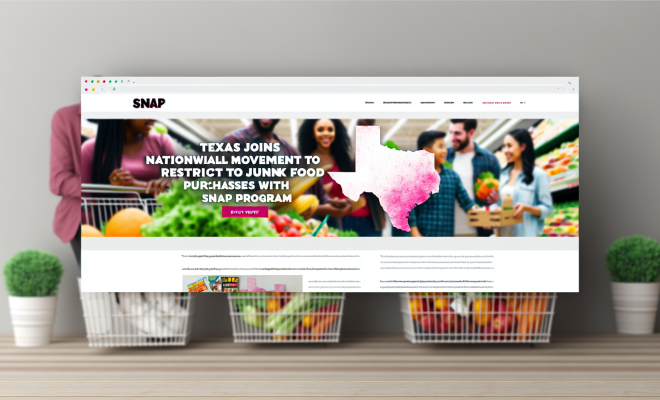
Beginning April 1, 2026, Texas will implement significant changes to its Supplemental Nutrition Assistance Program (SNAP) by prohibiting the purchase of sweetened beverages and candy. This move is part of a broader initiative aimed at promoting healthier eating habits among low-income families and aligns Texas with a growing number of states adopting similar restrictions.

The Rationale Behind the Restrictions

The decision to limit SNAP purchases of junk food comes in the wake of rising concerns over public health, particularly the increasing rates of obesity and related diseases such as diabetes and heart disease among low-income populations. The Trump administration’s initiative, dubbed Make America Healthy Again (MAHA), aims to reshape dietary habits in the United States by encouraging SNAP recipients to make healthier food choices.

Current State Landscape

Texas is not alone in this endeavor. Several other states have already adopted or are in the process of implementing similar restrictions. Currently, Indiana, Iowa, Nebraska, Utah, West Virginia, Oklahoma, and Louisiana have enacted bans on the purchase of sweetened drinks and candy through SNAP. Each of these states is working towards creating a healthier environment for their citizens, particularly those who rely on food assistance programs.

Virginia’s Delay and Preparation for Change

Notably, Virginia has opted for a more gradual approach. Initially slated to implement its sweetened beverage ban alongside Texas, the state has decided to postpone the restriction until October 2026. This delay is intended to allow for better preparation among both consumers and retailers, ensuring a smoother transition when the new rules take effect.

Looking Ahead: More States to Follow

As part of the MAHA initiative, a host of other states are also preparing to implement restrictions. In 2026, additional states like Florida, Colorado, Arkansas, Tennessee, Hawaii, South Carolina, North Dakota, Missouri, Ohio, and Virginia will join the movement. Kansas and Wyoming are set to introduce similar bans in 2027, while Nevada plans to follow suit in 2028.

Impact on SNAP Recipients

The changes to SNAP are expected to have a multifaceted impact on recipients. While the intention is to promote healthier eating habits, there are concerns regarding the accessibility and affordability of healthier food options for low-income families. Many SNAP recipients already face challenges in affording nutritious foods, and the removal of sweetened beverages and candy could lead to unintended consequences.

Potential Challenges

  • Access to Healthy Options: Not all areas have equal access to fresh fruits, vegetables, and other nutritious foods. Food deserts, areas with limited access to affordable and healthy food, could exacerbate existing challenges.
  • Affordability: Healthier food options are often more expensive than processed and sugary products, potentially placing additional financial strain on low-income families.
  • Consumer Education: Effective communication and education about these changes will be essential to ensure that SNAP recipients understand the new rules and the reasons behind them.

Support for Healthier Choices

Advocates for the restrictions argue that this policy change is a necessary step in addressing public health crises linked to poor dietary choices. By limiting access to unhealthy options, the hope is to encourage families to select healthier alternatives that can lead to improved health outcomes over time. This can also help reduce healthcare costs associated with obesity and diet-related diseases.

Operationalizing the Changes

As states prepare for these changes, logistical challenges will need to be addressed. Retailers will have to adjust their inventory and point-of-sale systems to comply with the new regulations. Furthermore, SNAP education programs must be enhanced to inform beneficiaries about the limitations and to guide them towards healthier choices.

Conclusion

The implementation of junk food purchase restrictions through SNAP in Texas and other states marks a significant shift in public health policy aimed at combating obesity and promoting healthier eating habits. While the initiative is poised to encourage better food choices among low-income families, careful consideration must be given to the challenges these families face in accessing nutritious foods. Only with a comprehensive approach that includes education and support can the goals of the MAHA initiative be fully realized.


Previous Article

Greek Monks’ Lenten Diet: A Path to ...

Next Article

Dr. Oz’s Gelatin Drink 2026: Is It ...

Matthew Lynch

Related articles More from author

  • Tech News

    Eclipse vs IntelliJ IDEA comparison

    August 14, 2026
    By Matthew Lynch
  • Tech News

    Google’s June 2026 Spam Update: Marketers, Adapt Now!

    June 27, 2026
    By Matthew Lynch
  • Tech News

    Ultragenyx Hit with Class Action Lawsuit Over Securities Violations

    March 30, 2026
    By Matthew Lynch
  • Tech News

    Indian Youth Movement Exposes Elite Hypocrisy at Tufts

    July 24, 2026
    By Matthew Lynch
  • Tech News

    Master CapCut on PC: Your Ultimate Video Editing Guide

    July 18, 2026
    By Matthew Lynch
  • Tech News

    Phonological Awareness: Key to Reading Success Over Letter Knowledge

    July 13, 2026
    By Matthew Lynch

Search

Login & Registration

  • Log in
  • Entries feed
  • Comments feed
  • WordPress.org

Newsletter

Signup for The Tech Edvocate Newsletter and have the latest in EdTech news and opinion delivered to your email address!

About Us

Since technology is not going anywhere and does more good than harm, adapting is the best course of action. That is where The Tech Edvocate comes in. We plan to cover the PreK-12 and Higher Education EdTech sectors and provide our readers with the latest news and opinion on the subject. From time to time, I will invite other voices to weigh in on important issues in EdTech. We hope to provide a well-rounded, multi-faceted look at the past, present, the future of EdTech in the US and internationally.

We started this journey back in June 2016, and we plan to continue it for many more years to come. I hope that you will join us in this discussion of the past, present and future of EdTech and lend your own insight to the issues that are discussed.

Newsletter

Signup for The Tech Edvocate Newsletter and have the latest in EdTech news and opinion delivered to your email address!

Contact Us

The Tech Edvocate
910 Goddin Street
Richmond, VA 23231
(601) 630-5238
[email protected]

Copyright © 2026 Matthew Lynch. All rights reserved.