Texas SNAP 2026: New Restrictions on Sweetened Drinks & Candy
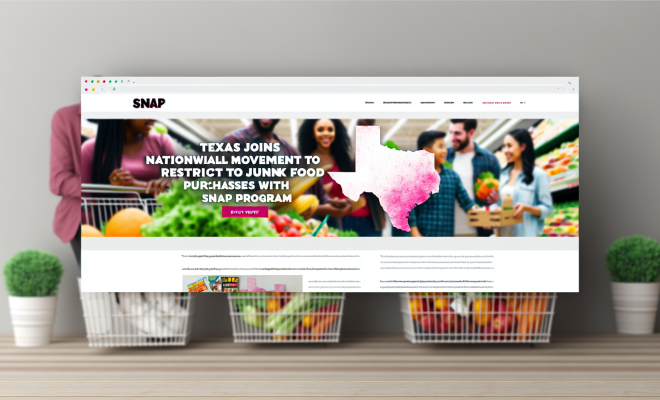
Beginning April 1, 2026, Texas will implement significant changes to its Supplemental Nutrition Assistance Program (SNAP) by prohibiting the purchase of sweetened beverages and candy. This move is part of a broader initiative aimed at promoting healthier eating habits among low-income families and aligns Texas with a growing number of states adopting similar restrictions.
The Rationale Behind the Restrictions
The decision to limit SNAP purchases of junk food comes in the wake of rising concerns over public health, particularly the increasing rates of obesity and related diseases such as diabetes and heart disease among low-income populations. The Trump administration’s initiative, dubbed Make America Healthy Again (MAHA), aims to reshape dietary habits in the United States by encouraging SNAP recipients to make healthier food choices.
Current State Landscape
Texas is not alone in this endeavor. Several other states have already adopted or are in the process of implementing similar restrictions. Currently, Indiana, Iowa, Nebraska, Utah, West Virginia, Oklahoma, and Louisiana have enacted bans on the purchase of sweetened drinks and candy through SNAP. Each of these states is working towards creating a healthier environment for their citizens, particularly those who rely on food assistance programs.
Virginia’s Delay and Preparation for Change
Notably, Virginia has opted for a more gradual approach. Initially slated to implement its sweetened beverage ban alongside Texas, the state has decided to postpone the restriction until October 2026. This delay is intended to allow for better preparation among both consumers and retailers, ensuring a smoother transition when the new rules take effect.
Looking Ahead: More States to Follow
As part of the MAHA initiative, a host of other states are also preparing to implement restrictions. In 2026, additional states like Florida, Colorado, Arkansas, Tennessee, Hawaii, South Carolina, North Dakota, Missouri, Ohio, and Virginia will join the movement. Kansas and Wyoming are set to introduce similar bans in 2027, while Nevada plans to follow suit in 2028.
Impact on SNAP Recipients
The changes to SNAP are expected to have a multifaceted impact on recipients. While the intention is to promote healthier eating habits, there are concerns regarding the accessibility and affordability of healthier food options for low-income families. Many SNAP recipients already face challenges in affording nutritious foods, and the removal of sweetened beverages and candy could lead to unintended consequences.
Potential Challenges
- Access to Healthy Options: Not all areas have equal access to fresh fruits, vegetables, and other nutritious foods. Food deserts, areas with limited access to affordable and healthy food, could exacerbate existing challenges.
- Affordability: Healthier food options are often more expensive than processed and sugary products, potentially placing additional financial strain on low-income families.
- Consumer Education: Effective communication and education about these changes will be essential to ensure that SNAP recipients understand the new rules and the reasons behind them.
Support for Healthier Choices
Advocates for the restrictions argue that this policy change is a necessary step in addressing public health crises linked to poor dietary choices. By limiting access to unhealthy options, the hope is to encourage families to select healthier alternatives that can lead to improved health outcomes over time. This can also help reduce healthcare costs associated with obesity and diet-related diseases.
Operationalizing the Changes
As states prepare for these changes, logistical challenges will need to be addressed. Retailers will have to adjust their inventory and point-of-sale systems to comply with the new regulations. Furthermore, SNAP education programs must be enhanced to inform beneficiaries about the limitations and to guide them towards healthier choices.
Conclusion
The implementation of junk food purchase restrictions through SNAP in Texas and other states marks a significant shift in public health policy aimed at combating obesity and promoting healthier eating habits. While the initiative is poised to encourage better food choices among low-income families, careful consideration must be given to the challenges these families face in accessing nutritious foods. Only with a comprehensive approach that includes education and support can the goals of the MAHA initiative be fully realized.