The Social Dynamics and Relationship System in The Sims
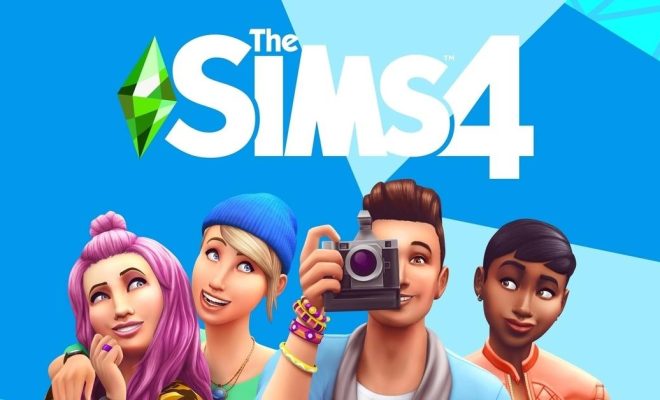
One of the most engaging aspects of The Sims franchise is its intricate social dynamics and relationship system. From friendships and romances to family ties and workplace interactions, the game has always strived to simulate the complexities of human relationships. This system has evolved significantly over the years, becoming increasingly nuanced and reflective of real-world social dynamics.
In the original The Sims, relationships were relatively simple but groundbreaking for their time. Sims could interact with each other through a variety of social interactions, from friendly chats to romantic advances. Each interaction would affect the relationship meter between two Sims, either positively or negatively. The game also introduced concepts like chemistry and compatibility, where Sims with similar interests were more likely to get along.
The Sims 2 greatly expanded on this system. It introduced the concept of wants and fears, where Sims would have specific relationship goals that players could choose to fulfill or ignore. The addition of turn-ons and turn-offs added another layer of complexity to romantic relationships. Family ties became more important, with Sims able to pass down genetic traits and memories to their offspring.
With The Sims 3, relationships became even more dynamic. The trait system allowed for more diverse personalities, which in turn affected how Sims interacted with each other. Some traits would naturally clash, while others would create instant connections. The game also introduced the concept of moodlets, temporary buffs or debuffs that could affect a Sim’s interactions and overall happiness.
The Sims 4 took a different approach, focusing on the emotional states of Sims and how these affect their interactions. Sims can now experience a wide range of emotions, from being flirty or angry to confident or embarrassed. These emotional states influence the types of interactions available and how other Sims respond to them. For example, an angry Sim might have the option to pick a fight, while a flirty Sim might be more successful in romantic pursuits.
One of the most significant advancements in The Sims 4’s relationship system is the introduction of sentiments. These are long-lasting feelings that Sims develop about each other based on shared experiences. For instance, Sims who have been through a difficult time together might develop a close bond, while a bad breakup could lead to lasting negative sentiments.
The franchise has also made strides in representing diverse relationships. Same-sex relationships have been possible since the original game, and The Sims 4 removed gender restrictions on relationships entirely. Players can now create Sims with any combination of gender expression, sexual orientation, and romantic interests.
Family dynamics have always been a crucial part of The Sims. Over the years, the game has introduced more complex family structures, including blended families, adoptions, and even alien abductions resulting in unusual offspring. The way Sims interact with their children has also become more nuanced, with parents able to teach skills, discipline, and nurture their children in various ways.
The social dynamics in The Sims extend beyond personal relationships. Workplace interactions, club memberships, and community relationships all play a role in a Sim’s social life. Expansion packs have further expanded these systems, introducing concepts like fame, reputations, and social media influence.
Custom content and mods have also played a significant role in expanding relationship possibilities in The Sims. Modders have created additional traits, more complex relationship systems, and even introduced polyamorous relationships to the game.
As the franchise continues to evolve, players are always eager for even more depth in the relationship system. Common requests include more complex family trees, deeper friendship dynamics, and more diverse relationship types.
The social dynamics and relationship system in The Sims is more than just a game mechanic; it’s a reflection of human interaction and a playground for social experimentation. It allows players to explore different types of relationships, test social theories, and create complex interpersonal narratives. Whether you’re crafting a dramatic love story, building a tight-knit community, or exploring family dynamics, The Sims offers a rich tapestry of social interactions that has kept players engaged for over two decades.