The Tech Edvocate

Top Menu

  • Advertisement
  • Apps
  • Home Page
  • Home Page Five (No Sidebar)
  • Home Page Four
  • Home Page Three
  • Home Page Two
  • Home Tech2
  • Icons [No Sidebar]
  • Left Sidbear Page
  • Lynch Educational Consulting
  • My Account
  • My Speaking Page
  • Newsletter Sign Up Confirmation
  • Newsletter Unsubscription
  • Our Brands
  • Page Example
  • Privacy Policy
  • Protected Content
  • Register
  • Request a Product Review
  • Shop
  • Shortcodes Examples
  • Signup
  • Start Here
    • Governance
    • Careers
    • Contact Us
  • Terms and Conditions
  • The Edvocate
  • The Tech Edvocate Product Guide
  • Topics
  • Write For Us
  • Advertise

Main Menu

  • Start Here
    • Our Brands
    • Governance
      • Lynch Educational Consulting, LLC.
      • Dr. Lynch’s Personal Website
      • Careers
    • Write For Us
    • The Tech Edvocate Product Guide
    • Contact Us
    • Books
    • Edupedia
    • Post a Job
    • The Edvocate Podcast
    • Terms and Conditions
    • Privacy Policy
  • Topics
    • Assistive Technology
    • Child Development Tech
    • Early Childhood & K-12 EdTech
    • EdTech Futures
    • EdTech News
    • EdTech Policy & Reform
    • EdTech Startups & Businesses
    • Higher Education EdTech
    • Online Learning & eLearning
    • Parent & Family Tech
    • Personalized Learning
    • Product Reviews
  • Advertise
  • Tech Edvocate Awards
  • The Edvocate
  • Pedagogue
  • School Ratings

logo

The Tech Edvocate

  • Start Here
    • Our Brands
    • Governance
      • Lynch Educational Consulting, LLC.
      • Dr. Lynch’s Personal Website
        • My Speaking Page
      • Careers
    • Write For Us
    • The Tech Edvocate Product Guide
    • Contact Us
    • Books
    • Edupedia
    • Post a Job
    • The Edvocate Podcast
    • Terms and Conditions
    • Privacy Policy
  • Topics
    • Assistive Technology
    • Child Development Tech
    • Early Childhood & K-12 EdTech
    • EdTech Futures
    • EdTech News
    • EdTech Policy & Reform
    • EdTech Startups & Businesses
    • Higher Education EdTech
    • Online Learning & eLearning
    • Parent & Family Tech
    • Personalized Learning
    • Product Reviews
  • Advertise
  • Tech Edvocate Awards
  • The Edvocate
  • Pedagogue
  • School Ratings
  • 8 Essential Accessories No Mortal Kombat Fan Should Play Without

  • Ed Boon Just Debunked Injustice 3 — So What’s Really Next?

  • Mortal Kombat Creator Ed Boon Denies Development of Injustice 3 and Three Other New Games

  • 7 Hidden Gems: Why These Game Pass Alternatives Are CRUSHING It for Strategy Gamers

  • Xbox’s Quiet Axe: The Unspoken Age of Empires New Game Cancellation Reasons

  • Xbox Cuts Deep: Age of Empires Studio’s New Game Vanishes Amid Restructuring

  • The PS5 Accessory You NEED Before GTA 6 Drops (And Why Millions Already Pre-Ordered It)

  • GTA 6: PS5 Pre-Orders Are Crushing Xbox Series X — Here’s Why Everyone’s Choosing PlayStation

  • Why GTA 6 Pre-Orders PS5 Dominate: 7 Unexpected Reasons

  • The AI Revolution in Real Estate: Why 58% of Firms Are Adopting It (and What They’re Missing)

Gaming
Home›Gaming›The Social Dynamics and Relationship System in The Sims

The Social Dynamics and Relationship System in The Sims
By Matthew Lynch
December 4, 2024
0
Spread the love

One of the most engaging aspects of The Sims franchise is its intricate social dynamics and relationship system. From friendships and romances to family ties and workplace interactions, the game has always strived to simulate the complexities of human relationships. This system has evolved significantly over the years, becoming increasingly nuanced and reflective of real-world social dynamics.

In the original The Sims, relationships were relatively simple but groundbreaking for their time. Sims could interact with each other through a variety of social interactions, from friendly chats to romantic advances. Each interaction would affect the relationship meter between two Sims, either positively or negatively. The game also introduced concepts like chemistry and compatibility, where Sims with similar interests were more likely to get along.

The Sims 2 greatly expanded on this system. It introduced the concept of wants and fears, where Sims would have specific relationship goals that players could choose to fulfill or ignore. The addition of turn-ons and turn-offs added another layer of complexity to romantic relationships. Family ties became more important, with Sims able to pass down genetic traits and memories to their offspring.

With The Sims 3, relationships became even more dynamic. The trait system allowed for more diverse personalities, which in turn affected how Sims interacted with each other. Some traits would naturally clash, while others would create instant connections. The game also introduced the concept of moodlets, temporary buffs or debuffs that could affect a Sim’s interactions and overall happiness.

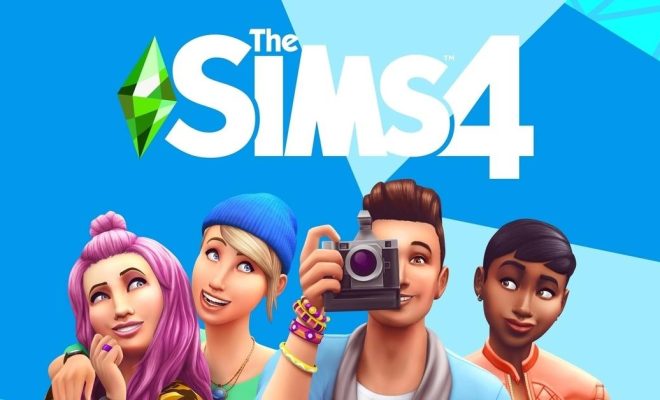
The Sims 4 took a different approach, focusing on the emotional states of Sims and how these affect their interactions. Sims can now experience a wide range of emotions, from being flirty or angry to confident or embarrassed. These emotional states influence the types of interactions available and how other Sims respond to them. For example, an angry Sim might have the option to pick a fight, while a flirty Sim might be more successful in romantic pursuits.

One of the most significant advancements in The Sims 4’s relationship system is the introduction of sentiments. These are long-lasting feelings that Sims develop about each other based on shared experiences. For instance, Sims who have been through a difficult time together might develop a close bond, while a bad breakup could lead to lasting negative sentiments.

The franchise has also made strides in representing diverse relationships. Same-sex relationships have been possible since the original game, and The Sims 4 removed gender restrictions on relationships entirely. Players can now create Sims with any combination of gender expression, sexual orientation, and romantic interests.

Family dynamics have always been a crucial part of The Sims. Over the years, the game has introduced more complex family structures, including blended families, adoptions, and even alien abductions resulting in unusual offspring. The way Sims interact with their children has also become more nuanced, with parents able to teach skills, discipline, and nurture their children in various ways.

The social dynamics in The Sims extend beyond personal relationships. Workplace interactions, club memberships, and community relationships all play a role in a Sim’s social life. Expansion packs have further expanded these systems, introducing concepts like fame, reputations, and social media influence.

Custom content and mods have also played a significant role in expanding relationship possibilities in The Sims. Modders have created additional traits, more complex relationship systems, and even introduced polyamorous relationships to the game.

As the franchise continues to evolve, players are always eager for even more depth in the relationship system. Common requests include more complex family trees, deeper friendship dynamics, and more diverse relationship types.

The social dynamics and relationship system in The Sims is more than just a game mechanic; it’s a reflection of human interaction and a playground for social experimentation. It allows players to explore different types of relationships, test social theories, and create complex interpersonal narratives. Whether you’re crafting a dramatic love story, building a tight-knit community, or exploring family dynamics, The Sims offers a rich tapestry of social interactions that has kept players engaged for over two decades.


Previous Article

Unleash Your Inner Architect: The Evolution of ...

Next Article

The Impact of The Sims on Gaming ...

Matthew Lynch

Related articles More from author

  • Gaming

    10 Best Non-Tav NPC Romances In Baldur’s Gate 3

    March 6, 2024
    By Matthew Lynch
  • Gaming

    The 10 Best Finesse Weapons In Baldur’s Gate 3

    March 12, 2024
    By Matthew Lynch
  • Gaming

    10 Best Pokémon 151 Ex Cards (& How How Much Money They’re Worth)

    March 26, 2024
    By Matthew Lynch
  • Gaming

    15 Of The Best Gaming Gifts For All Budgets

    March 3, 2024
    By Matthew Lynch
  • Gaming

    Minecraft Biomes: Explore Diverse Landscapes & Gameplay

    December 4, 2024
    By Matthew Lynch
  • Gaming

    Games Inbox: Spider-Man 2 best video game opening ever

    March 24, 2024
    By Matthew Lynch

Search

Login & Registration

  • Log in
  • Entries feed
  • Comments feed
  • WordPress.org

Newsletter

Signup for The Tech Edvocate Newsletter and have the latest in EdTech news and opinion delivered to your email address!

About Us

Since technology is not going anywhere and does more good than harm, adapting is the best course of action. That is where The Tech Edvocate comes in. We plan to cover the PreK-12 and Higher Education EdTech sectors and provide our readers with the latest news and opinion on the subject. From time to time, I will invite other voices to weigh in on important issues in EdTech. We hope to provide a well-rounded, multi-faceted look at the past, present, the future of EdTech in the US and internationally.

We started this journey back in June 2016, and we plan to continue it for many more years to come. I hope that you will join us in this discussion of the past, present and future of EdTech and lend your own insight to the issues that are discussed.

Newsletter

Signup for The Tech Edvocate Newsletter and have the latest in EdTech news and opinion delivered to your email address!

Contact Us

The Tech Edvocate
910 Goddin Street
Richmond, VA 23231
(601) 630-5238
[email protected]

Copyright © 2026 Matthew Lynch. All rights reserved.