The Tech Edvocate

Top Menu

  • Advertisement
  • Apps
  • Home Page
  • Home Page Five (No Sidebar)
  • Home Page Four
  • Home Page Three
  • Home Page Two
  • Home Tech2
  • Icons [No Sidebar]
  • Left Sidbear Page
  • Lynch Educational Consulting
  • My Account
  • My Speaking Page
  • Newsletter Sign Up Confirmation
  • Newsletter Unsubscription
  • Our Brands
  • Page Example
  • Privacy Policy
  • Protected Content
  • Register
  • Request a Product Review
  • Shop
  • Shortcodes Examples
  • Signup
  • Start Here
    • Governance
    • Careers
    • Contact Us
  • Terms and Conditions
  • The Edvocate
  • The Tech Edvocate Product Guide
  • Topics
  • Write For Us
  • Advertise

Main Menu

  • Start Here
    • Our Brands
    • Governance
      • Lynch Educational Consulting, LLC.
      • Dr. Lynch’s Personal Website
      • Careers
    • Write For Us
    • The Tech Edvocate Product Guide
    • Contact Us
    • Books
    • Edupedia
    • Post a Job
    • The Edvocate Podcast
    • Terms and Conditions
    • Privacy Policy
  • Topics
    • Assistive Technology
    • Child Development Tech
    • Early Childhood & K-12 EdTech
    • EdTech Futures
    • EdTech News
    • EdTech Policy & Reform
    • EdTech Startups & Businesses
    • Higher Education EdTech
    • Online Learning & eLearning
    • Parent & Family Tech
    • Personalized Learning
    • Product Reviews
  • Advertise
  • Tech Edvocate Awards
  • The Edvocate
  • Pedagogue
  • School Ratings

logo

The Tech Edvocate

  • Start Here
    • Our Brands
    • Governance
      • Lynch Educational Consulting, LLC.
      • Dr. Lynch’s Personal Website
        • My Speaking Page
      • Careers
    • Write For Us
    • The Tech Edvocate Product Guide
    • Contact Us
    • Books
    • Edupedia
    • Post a Job
    • The Edvocate Podcast
    • Terms and Conditions
    • Privacy Policy
  • Topics
    • Assistive Technology
    • Child Development Tech
    • Early Childhood & K-12 EdTech
    • EdTech Futures
    • EdTech News
    • EdTech Policy & Reform
    • EdTech Startups & Businesses
    • Higher Education EdTech
    • Online Learning & eLearning
    • Parent & Family Tech
    • Personalized Learning
    • Product Reviews
  • Advertise
  • Tech Edvocate Awards
  • The Edvocate
  • Pedagogue
  • School Ratings
  • The Astonishing Truth About Student Loan Refinance Rates: What You Need to Know Now

  • Devastating: AI Agents Just Found a Zero-Day in Medical Software in 11 Minutes

  • The AI Education Revolution: 10 Urgent Questions Universities Must Answer Now

  • Explosive Zero-Day Vulnerability: 15 Million Websites Under Siege – Is Yours Next?

  • The Ultimate Kuru Footwear Trio: A Comfort Revolution for Every Adventure

  • Why Your Mortgage Could Be Denied by Biased AI – And What the Fed Is Doing About It

  • Unprecedented: Lawsuit Demands Total AI Shutdown Amid Rising Global Panic

  • The Astonishing Truth: Microcredentials Now Trump MBAs for Data Science Jobs

  • The Astonishing Twist: AI Cuts Your Job, Then Helps You Sue Your Boss

  • The Staggering Truth About Palo Alto’s $4.5 Billion AI Bet

Digital & Mobile Technology
Home›Digital & Mobile Technology›How Do Spam Callers Spoof Phone Numbers to Appear Local?

How Do Spam Callers Spoof Phone Numbers to Appear Local?
By Matthew Lynch
July 31, 2023
0
Spread the love

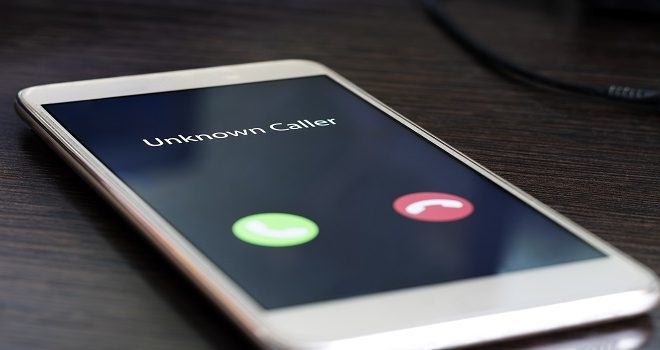
Spam callers are infamous for their numerous and annoying call attempts. In their quest to scam individuals, these callers have learned how to spoof phone numbers, making it seem like they are calling from a local area code. This strategy can often deceive unsuspecting victims into answering the call, thereby giving the scammers a chance to steal sensitive information.

Spoofing phone numbers is a technique that allows scammers to manipulate caller ID information, making it appear as if the call is coming from a different phone number. With the help of modern technology, spam callers can easily mimic phone numbers from any area code they choose, even if they are located thousands of miles away.

To understand how spoofing works, it’s essential to know how caller ID works. When you receive a call, your phone automatically retrieves the caller’s phone number and displays it on your screen. However, this information can easily be manipulated through the use of a technique called VoIP (voice over Internet Protocol).

VoIP technology allows scammers to mimic any phone number by using a cheap software called a “spoofing app.” These apps make it easy to manipulate a caller’s ID information, adding a fake number and area code to an outgoing call.

Another way spam callers spoof phone numbers is by using a technique called “neighbor spoofing.” In this method, scammers manipulate the caller ID information to make it appear as if the call is coming from a nearby town or city. This way, individuals are more likely to pick up the call since it appears as if it’s coming from a familiar phone number.

In addition to using spoofing apps and neighbor spoofing, scammers may also use “VOIP Gateways.” VOIP gateways are equipment that connects phone lines to the internet, allowing callers to make calls using different phone numbers. With these gateways, scammers can hide their location while appearing to make calls from anywhere in the world.

Unfortunately, there is no foolproof way to prevent spam callers from spoofing phone numbers, making it difficult for individuals to protect themselves from these scams. However, there are a few things you can do to lower your chances of falling victim. Firstly, avoid answering calls from unknown numbers, and consider using a caller ID app that can help identify incoming calls. Additionally, you can sign up for the National Do Not Call Registry, which requires telemarketers to refrain from calling numbers registered on the list.

In conclusion, spoofing phone numbers is a technique that spam callers use to deceive unsuspecting victims. The use of technology like VOIP gateways and spoofing apps makes it easy for these scammers to manipulate caller ID information, making it appear as if the call is coming from a local phone number. While it’s not always possible to prevent these calls, using caller ID apps and avoiding answering unknown numbers can help reduce the chances of falling victim to a scam.


Previous Article

How to Use Spotify’s Real-Time Lyrics Feature

Next Article

How to Insert a Picture Into a ...

Matthew Lynch

Related articles More from author

  • Digital & Mobile Technology

    MBR vs. GPT: Which Should You Use for Your SSD?

    August 5, 2023
    By Matthew Lynch
  • Digital & Mobile Technology

    How Does Uber Eats Work?

    June 10, 2023
    By Matthew Lynch
  • Digital & Mobile Technology

    Microsoft’s Best Free DIY Christmas Templates for 2023

    June 10, 2023
    By Matthew Lynch
  • Digital & Mobile Technology

    The Greatness of the Canon EOS 7D

    June 12, 2023
    By Matthew Lynch
  • Digital & Mobile Technology

    Ways to Disable the Touchpad in Windows 10

    September 8, 2023
    By Matthew Lynch
  • Digital & Mobile Technology

    Tesla Supercharger vs. Destination Charger: What’s the Difference?

    June 23, 2023
    By Matthew Lynch

Search

Login & Registration

  • Log in
  • Entries feed
  • Comments feed
  • WordPress.org

Newsletter

Signup for The Tech Edvocate Newsletter and have the latest in EdTech news and opinion delivered to your email address!

About Us

Since technology is not going anywhere and does more good than harm, adapting is the best course of action. That is where The Tech Edvocate comes in. We plan to cover the PreK-12 and Higher Education EdTech sectors and provide our readers with the latest news and opinion on the subject. From time to time, I will invite other voices to weigh in on important issues in EdTech. We hope to provide a well-rounded, multi-faceted look at the past, present, the future of EdTech in the US and internationally.

We started this journey back in June 2016, and we plan to continue it for many more years to come. I hope that you will join us in this discussion of the past, present and future of EdTech and lend your own insight to the issues that are discussed.

Newsletter

Signup for The Tech Edvocate Newsletter and have the latest in EdTech news and opinion delivered to your email address!

Contact Us

The Tech Edvocate
910 Goddin Street
Richmond, VA 23231
(601) 630-5238
[email protected]

Copyright © 2026 Matthew Lynch. All rights reserved.