7 Overtourism Solutions Destinations Use to Restore Balance
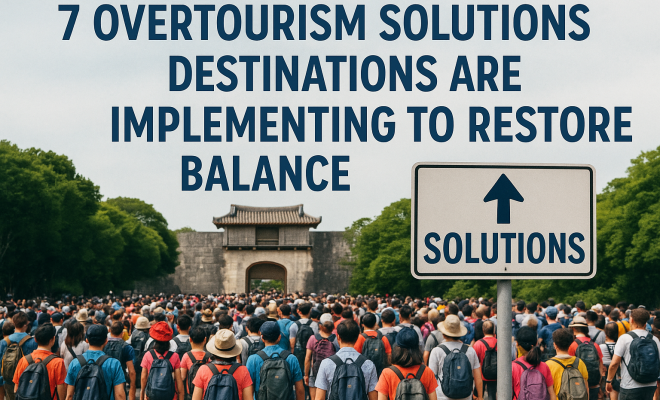
The phenomenon of overtourism is capturing global attention as major travel destinations grapple with the consequences of unchecked visitor numbers. As cities become increasingly overwhelmed with visitors, local governments are stepping up efforts to impose stricter tourist controls, leading to heated debates among travelers, residents, and officials. These changes have sparked significant public interest, igniting conversations about the sustainability of travel and the balance between welcoming tourists and preserving local quality of life.
The Growing Concern of Overtourism
Overtourism refers to the adverse effects of excessive tourist numbers in a given destination. This issue has gained traction as travelers flock to iconic sites, leading to overcrowded streets, inflated rental prices, and strain on local infrastructure. Popular cities like Venice, Barcelona, and Amsterdam have become synonymous with the challenges of overtourism, prompting local authorities to take action.
Conflict at the Heart of Overtourism Solutions
The backlash against overtourism has revealed a striking divide between the desires of tourists and the needs of local residents. Tourists often seek affordable access to their dream destinations, while residents express concerns over their neighborhoods being transformed into tourist hubs, resulting in rising rents and disrupted community life. This conflict has been amplified on social media, where images of congested streets and packed attractions circulate widely, fueling the urgency for overtourism solutions.
Stricter Tourist Controls: A Necessary Step?
In response to these pressing issues, cities are implementing a range of measures aimed at regulating tourist numbers. Here are seven notable overtourism solutions that are currently shaping the future of travel:
- Visitor Caps: Some destinations are instituting caps on the number of tourists allowed in specific areas at any given time. For example, Barcelona has limited the number of visitors to popular sites such as Park Güell.
- Tourist Taxes: Cities like Venice have introduced taxes for day visitors, with the aim of generating revenue to offset the costs associated with managing large crowds and maintaining infrastructure.
- Reservation Systems: To manage capacity, some attractions are requiring advance reservations. This has been employed by places such as the Louvre in Paris, allowing for a more controlled flow of visitors.
- Promoting Off-Peak Travel: Destinations are encouraging travelers to visit during the off-peak season through discounted rates and special events. This helps to spread visitor numbers throughout the year, reducing congestion during peak times.
- Limiting Short-Term Rentals: Cities are tightening regulations on short-term rentals like Airbnb to mitigate the impact on housing markets. For instance, Amsterdam has imposed stricter limits on short-term rental properties to protect the availability of housing for residents.
- Enhanced Public Transportation: Improving public transportation options can help disperse tourists throughout a city, reducing the burden on specific hotspots. Cities are investing in better transit systems to facilitate this shift.
- Community Engagement: Involving locals in tourism planning ensures their voices are heard, promoting solutions that benefit both residents and visitors. Community-led initiatives can lead to more sustainable tourism practices.
The Role of Social Media in the Overtourism Narrative
As the conversation around overtourism gains momentum, social media plays a pivotal role in shaping public perception. With travelers frequently sharing their experiences online, images of crowded landmarks and frustrated locals quickly go viral, amplifying the debate surrounding overtourism solutions. This visibility can prompt immediate action from local authorities, who often feel pressured to address the concerns raised by both residents and travelers.
Future of Travel: Finding a Balance
The challenge of overtourism is not insurmountable, and finding a balance between tourism and local well-being is crucial for the future of travel. By adopting effective overtourism solutions, cities can protect their cultural heritage and infrastructure while still welcoming visitors. The transformation of travel practices requires collaboration between tourists, residents, and local governments, emphasizing the importance of sustainability in tourism.
As travelers become more aware of the impact of their activities, they are increasingly seeking destinations that prioritize responsible tourism. This shift in consumer behavior is encouraging cities to implement innovative solutions that not only enhance the visitor experience but also safeguard the interests of local communities. The potential for change is significant, and with concerted efforts, the travel industry can evolve to meet the demands of both tourists and residents alike.