The Tech Edvocate

Top Menu

  • Advertisement
  • Apps
  • Home Page
  • Home Page Five (No Sidebar)
  • Home Page Four
  • Home Page Three
  • Home Page Two
  • Home Tech2
  • Icons [No Sidebar]
  • Left Sidbear Page
  • Lynch Educational Consulting
  • My Account
  • My Speaking Page
  • Newsletter Sign Up Confirmation
  • Newsletter Unsubscription
  • Our Brands
  • Page Example
  • Privacy Policy
  • Protected Content
  • Register
  • Request a Product Review
  • Shop
  • Shortcodes Examples
  • Signup
  • Start Here
    • Governance
    • Careers
    • Contact Us
  • Terms and Conditions
  • The Edvocate
  • The Tech Edvocate Product Guide
  • Topics
  • Write For Us
  • Advertise

Main Menu

  • Start Here
    • Our Brands
    • Governance
      • Lynch Educational Consulting, LLC.
      • Dr. Lynch’s Personal Website
      • Careers
    • Write For Us
    • The Tech Edvocate Product Guide
    • Contact Us
    • Books
    • Edupedia
    • Post a Job
    • The Edvocate Podcast
    • Terms and Conditions
    • Privacy Policy
  • Topics
    • Assistive Technology
    • Child Development Tech
    • Early Childhood & K-12 EdTech
    • EdTech Futures
    • EdTech News
    • EdTech Policy & Reform
    • EdTech Startups & Businesses
    • Higher Education EdTech
    • Online Learning & eLearning
    • Parent & Family Tech
    • Personalized Learning
    • Product Reviews
  • Advertise
  • Tech Edvocate Awards
  • The Edvocate
  • Pedagogue
  • School Ratings

logo

The Tech Edvocate

  • Start Here
    • Our Brands
    • Governance
      • Lynch Educational Consulting, LLC.
      • Dr. Lynch’s Personal Website
        • My Speaking Page
      • Careers
    • Write For Us
    • The Tech Edvocate Product Guide
    • Contact Us
    • Books
    • Edupedia
    • Post a Job
    • The Edvocate Podcast
    • Terms and Conditions
    • Privacy Policy
  • Topics
    • Assistive Technology
    • Child Development Tech
    • Early Childhood & K-12 EdTech
    • EdTech Futures
    • EdTech News
    • EdTech Policy & Reform
    • EdTech Startups & Businesses
    • Higher Education EdTech
    • Online Learning & eLearning
    • Parent & Family Tech
    • Personalized Learning
    • Product Reviews
  • Advertise
  • Tech Edvocate Awards
  • The Edvocate
  • Pedagogue
  • School Ratings
  • Urgent Warning: GitLab AI Gateway Flaw Lets Hackers Take Control

  • Aignosis’ Rs 4 Crore Seed Funding: Why This Startup Could Revolutionize Autism Diagnosis

  • The Billionaire’s Bombshell: Why Startup Funding 2024 Could Be a Minefield

  • A Hacker’s Betrayal? Inside the ‘Rey’ Detention That Rocked ShinyHunters

  • The Astonishing Reason Why China’s AI Education Will Leave the West Behind

  • Jaw-Dropping: This Tiny Student Loan Interest Rate Cut Hides a Massive Secret

  • Urgent: FortiMail Zero-Day Vulnerability Under Attack — Here’s What You Must Do Now

  • Mind-Blowing: AI Cybersecurity Threats Are Giving Hackers a 24-Hour Head Start

  • Minneapolis Mayor Vetoes Human-Monitor Requirement for Robotaxis, Sending Driverless-Vehicle Fight Back to Council

  • Honda’s Astonishing Breakthrough: EVs Get 500-Mile Range Sooner Than You Think

Early Childhood & K-12 EdTech
Home›Early Childhood & K-12 EdTech›4 Guidelines to Help You Merge Tech and PBL

4 Guidelines to Help You Merge Tech and PBL

By Matthew Lynch
July 8, 2019
0
Spread the love

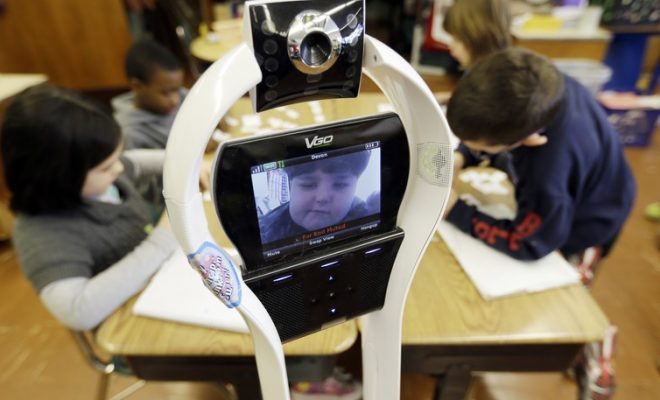
Technology is a valuable tool for learning. So is project-based learning. It’s only natural to merge the two for an immersive learning experience that engages and empowers students. With a little planning and forethought, you can create outstanding PBL projects that incorporate technology.

Moving to project-based learning

To implement effective project-based learning, you’ll need to consider four areas for change.

1.     Rethink your curriculum

Teacher-led curricula often don’t lend themselves to project-based learning. These instructional plans have been written to put teachers in the position of providing information. The PBL curriculum is about what students will learn or be able to do as a result of the project.

2.     Build partnerships

PBL requires plenty of collaboration. Students learn to work with others in teams in the classroom. Before you embark on PBL, find experts. Students need access to the world outside the classroom. Establish connections with the subject matter experts to which your students must have access.

3.     Reach out to solve real-world problems

Your students want to be part of something significant. They want to make a difference in the world, and PBL allows them to do that. Learning how to solve authentic challenges builds confidence and validates the reason for learning.

4.     Focus on students

As soon as a teacher hands out an assignment, the first thing many students want to know is, “Is this for a grade?”

Project-based learning delays that question – sometimes indefinitely because learning, not a grade, becomes the reward. PBL projects excite learners because the students get to determine the direction they will take in managing their work. That means piquing their curiosity enough to get them engaged in learning for the sake of learning.

At every step of the project, students own their learning, and the teacher facilitates learning.

Finally, you’ll need to consider the tools your students will need for creating their own learning experiences.

Integrating technology in PBL

Technology is a logical choice for conducting project-based learning, and many students have access to a vary of tech tools. The secret to successful implementation is to allow for voice and choice.

Students should be able to select which technology they need for their projects and when to use it. One group may want to sketch ideas on a smart board and then print their work, and another might prefer working on poster board.  The key lies in allowing students to choose when to use the technology that best fits their needs and learning style.

Favorite technology software  for PBL management include apps like these:

·       Mindmeister – Cross-platform mindmapping lives at Mindmeister, where students can create visuals that reflect their thinking.

·       Evernote – If you’re tired of the disorganization that often goes with class projects, the solution lies in the Evernote app. Students make notes, create schedules and share their uploads.

·       Myhistro – Students collaborate on making interactive timelines, recording folk memories, and telling stories.

·       VoiceThread – Encourage your students to be part of the conversation by adding their voices to the discussions at Voicethread,

·       GoogleDocs – This one-stop-house-it-all electronic file allows for collaboration on a variety of documents, and best of all students can share their folders with the teacher.   

Technology is made for project-based learning because it aides students in organizing their thoughts and collaborating on instructional opportunities they find useful.

Previous Article

States With The Best Public School Systems

Next Article

Digital Wellness Begins at Home

Matthew Lynch

Related articles More from author

  • Early Childhood & K-12 EdTech

    5 Assistive Technology Apps for Students With Special Needs

    July 29, 2017
    By Matthew Lynch
  • Early Childhood & K-12 EdTech

    Teachers: How to Use Google Drive

    December 8, 2016
    By Matthew Lynch
  • Early Childhood & K-12 EdTech

    How Teachers Can Gamify Science

    February 14, 2017
    By Matthew Lynch
  • Early Childhood & K-12 EdTechTeachers

    How Educators Can Become Digital Leaders

    April 7, 2018
    By Matthew Lynch
  • Early Childhood & K-12 EdTechHigher Education EdTech

    9 Things That Educators Should Know About Gamification

    April 6, 2017
    By Matthew Lynch
  • Early Childhood & K-12 EdTechFeaturedFreshHigher Education EdTech

    Your Security Breach is Coming. Are You Ready?

    January 10, 2019
    By Matthew Lynch

Search

Login & Registration

  • Log in
  • Entries feed
  • Comments feed
  • WordPress.org

Newsletter

Signup for The Tech Edvocate Newsletter and have the latest in EdTech news and opinion delivered to your email address!

About Us

Since technology is not going anywhere and does more good than harm, adapting is the best course of action. That is where The Tech Edvocate comes in. We plan to cover the PreK-12 and Higher Education EdTech sectors and provide our readers with the latest news and opinion on the subject. From time to time, I will invite other voices to weigh in on important issues in EdTech. We hope to provide a well-rounded, multi-faceted look at the past, present, the future of EdTech in the US and internationally.

We started this journey back in June 2016, and we plan to continue it for many more years to come. I hope that you will join us in this discussion of the past, present and future of EdTech and lend your own insight to the issues that are discussed.

Newsletter

Signup for The Tech Edvocate Newsletter and have the latest in EdTech news and opinion delivered to your email address!

Contact Us

The Tech Edvocate
910 Goddin Street
Richmond, VA 23231
(601) 630-5238
[email protected]

Copyright © 2026 Matthew Lynch. All rights reserved.