1 in 5 Adults Trust Social Media for Health in 2026 – Terrifying?
“`html
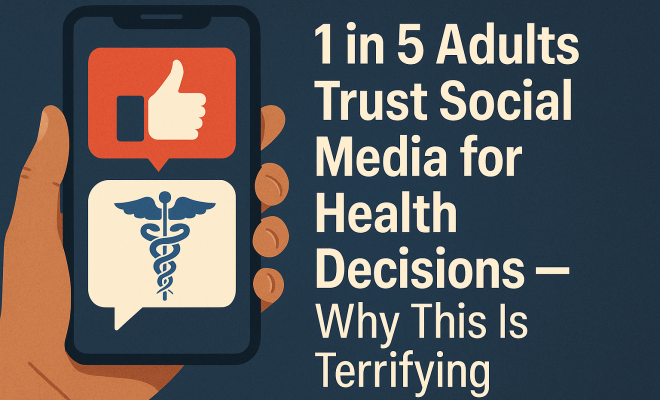
In a world where information flows faster than ever, the relationship between social media and health decisions has reached alarming levels. A recent report from Medical Xpress revealed a jaw-dropping statistic: 1 in 5 adults are making significant health choices based on social media content. What’s more troubling is that this trend endures despite a prevalent mistrust of the very platforms providing that information. This article will explore the implications of these social media health decisions, the reasons behind such behavior, and what it means for the future of health communication.
Understanding the Trends: Social Media and Health Decisions
It’s no secret that social media has transformed how we communicate, share, and seek information. A 2026 study unearthed that 19% of adults are now relying on influencers and short-form videos for health guidance. This statistic raises eyebrows, not just because of the sheer number of individuals involved, but due to the paradox it represents. Even when faced with widespread skepticism regarding the credibility of social media sources, individuals are still choosing to act on what they see online.
This trend is particularly alarming when considering the potential consequences of misinformation. Unlike traditional medical advice, which is often rooted in rigorous research and clinical expertise, social media posts can be rife with inaccuracies and anecdotal evidence. Yet, the allure of quick, easily digestible content has led many to prioritize these sources over professional advice.
The Role of Mistrust in Social Media Consumption
One of the most striking aspects of this phenomenon is the contradiction between distrust and behavior. Many users openly express skepticism about the reliability of social media content. Yet, they still find themselves making health decisions based on that very content. Why is this disparity so prevalent?
Experts suggest that the rapid dissemination of information, combined with the emotional pull of personal stories shared by influencers, creates a compelling case for individuals to trust these sources, even when they acknowledge their flaws. This cognitive dissonance can be explained through a psychological lens — when a message resonates personally, it can overshadow established doubts about its credibility.
The Influence of Social Media Influencers
Influencers have become a considerable force in shaping public opinions and behaviors. They often present themselves as relatable figures, sharing their personal experiences related to health, wellness, and lifestyle choices. This relatability can create an emotional connection that traditional medical professionals may struggle to achieve.
Additionally, influencers typically use appealing visuals and engaging content formats, such as short videos and vibrant images, to capture attention. This marketing technique can overshadow the critical evaluation of the information provided. For many users, it’s easier to accept a recommendation from someone who appears trustworthy and relatable than to sift through the complexities of medical literature.
The Risks of Misinformation in Health
The consequences of making health decisions based on social media health decisions can be profound. Misinformation about medical treatments, dietary practices, or wellness trends can lead to harmful outcomes. For instance, following unverified health advice can result in individuals choosing ineffective or even dangerous treatments for conditions, significantly impacting their health and well-being.
- Unproven Remedies: People may resort to unverified products or practices that can cause harm.
- Neglecting Professional Guidance: Relying on social media can deter individuals from seeking appropriate medical advice.
- Spreading Misinformation: Sharing false information can perpetuate harmful health myths within communities.
The impact of misinformation isn’t just a personal issue; it can affect public health on a larger scale. For example, during the COVID-19 pandemic, we saw numerous instances where misinformation about vaccines and treatments spread rapidly on social platforms, complicating efforts to manage the crisis effectively. Related reading: health advice on social media.
Parental Concerns: A Generation at Risk
The implications of social media health decisions are particularly concerning for parents and caregivers. With children and adolescents increasingly consuming information from these platforms, the potential for misguided health choices grows. Parents often worry about the content their children are exposed to, especially in relation to body image, mental health, and lifestyle choices.
For instance, children might be influenced by unrealistic beauty standards perpetuated by social media influencers, leading to issues such as body dysmorphia or unhealthy eating habits. In this context, the challenge lies not just in educating children about reliable health sources but also in guiding them to critically assess the information they encounter online. (See: CDC Health Communication Guidelines.)
Expert Perspectives: Navigating Mistrust and Decision-Making
Healthcare professionals are increasingly recognizing the influence of social media on health decisions. Dr. Jennifer Thomas, a clinical psychologist specializing in health communication, emphasizes the need for a dual approach: acknowledging the role of social media in modern health decisions while simultaneously fostering critical thinking skills among users.
“It’s vital to understand that social media is here to stay,” Dr. Thomas explains. “Instead of shunning its influence, we should focus on educating individuals on how to differentiate between reliable and unreliable sources. Empowering users to critically evaluate information can help mitigate the risks associated with misinformation.”
Strategies for Making Informed Health Decisions
As users navigate their health journeys, there are several strategies they can adopt to ensure they make informed decisions. Here are some actionable tips:
- Seek Credible Sources: Look for information from recognized health organizations, academic institutions, or medical professionals.
- Verify Claims: Check the facts behind health advice before acting on it, utilizing fact-checking websites and peer-reviewed studies.
- Talk to Professionals: Consult healthcare providers about health concerns or treatments rather than relying solely on social media guidance.
- Be Skeptical of Influencers: Approach health advice from influencers with caution, considering their qualifications and the potential motivations behind their endorsements.
By implementing these strategies, individuals can take control of their health decisions and minimize the risks associated with misinformation.
The Role of Social Media Platforms in Mitigating Misinformation
Given the significant impact social media has on health decisions, platforms themselves also bear some responsibility. Companies like Facebook, Instagram, and TikTok have recently taken steps to combat misinformation, but challenges remain. Algorithms often prioritize engagement over accuracy, leading to the promotion of sensationalized content.
To address this, social media platforms need to enhance their efforts in curating reliable health information. This could involve collaborating with healthcare professionals to create verified content, setting stricter guidelines for health-related posts, and implementing better fact-checking measures.
Looking Ahead: The Future of Health Communication in a Digital Age
As digital communication continues to evolve, the relationship between social media and health decisions will likely undergo further changes. With advancements in technology and shifts in user behavior, there may be opportunities to harness the power of social media for positive health outcomes.
Future strategies could include developing digital literacy programs focused on health information, promoting the use of telehealth services, and leveraging social media for public health campaigns. By creating a more informed and engaged community, it’s possible to bridge the gap between skepticism and action.
Understanding the Demographics of Social Media Health Decisions
When analyzing social media health decisions, it’s crucial to understand the demographics involved. Different age groups exhibit varying levels of reliance on social media for health information. For instance, younger adults, particularly Millennials and Gen Z, are more inclined to seek health advice from social media platforms compared to older generations. A study by the Pew Research Center found that 75% of adults aged 18-29 use social media for health information, versus just 30% of those aged 65 and older.
This disparity highlights the need for targeted health communication strategies that cater to the preferences and behaviors of different age groups. Younger audiences often prefer visual content and quick updates, while older adults might lean towards more detailed information. Understanding these nuances can help health organizations tailor their messages effectively.
The Impact of COVID-19 on Social Media Health Decisions
The COVID-19 pandemic has dramatically reshaped the landscape of social media health decisions. As individuals sought timely updates and guidance during the health crisis, social media platforms became primary sources of information. A survey conducted by the American Psychological Association revealed that 45% of Americans reported feeling overwhelmed by the amount of information on social media regarding the pandemic.
This information overload can lead to confusion and poor decision-making. For example, misinformation about COVID-19 vaccines spread rapidly across platforms, leading to hesitancy in some communities. Public health authorities faced the challenge of countering this misinformation while still engaging with audiences on social media. This experience underscores the critical need for clear communication and community engagement in future health crises.
Case Studies: Successful Health Campaigns on Social Media
Despite the challenges posed by misinformation, there have been notable successes in leveraging social media for positive health outcomes. Health campaigns like the “Real Beauty” campaign by Dove and the “This Is Our Shot” initiative aimed at increasing COVID-19 vaccination rates demonstrate effective use of social media. (See: NIH on Social Media and Health Information.)
The “Real Beauty” campaign focused on promoting body positivity and self-acceptance, using real people instead of models to resonate with audiences. This approach helped combat negative body image issues exacerbated by social media. The results showed a significant shift in public perception regarding beauty standards.
Similarly, the “This Is Our Shot” initiative utilized social media to encourage vaccination through personal stories and testimonials from healthcare workers, influencers, and everyday individuals. By making the campaign relatable, they successfully increased vaccination rates in several communities. These case studies exemplify how social media can be harnessed responsibly to achieve public health goals.
Frequently Asked Questions (FAQ)
What should I do if I see health information on social media?
First, approach the information with skepticism. Verify the claims by checking credible sources, such as health organizations or medical professionals. Don’t hesitate to consult a healthcare provider if you’re unsure about the information’s validity.
How can I educate my children about social media health decisions?
Start by having open conversations about the content they encounter on social media. Encourage them to ask questions and think critically about the information. Teach them to identify reliable sources and discuss the importance of consulting professionals when making health-related choices.
Are there any benefits to using social media for health information?
Yes, social media can provide timely updates, connect individuals with support communities, and offer diverse perspectives about health issues. It can also foster engagement in health campaigns and initiatives, making health information more accessible.
How can social media platforms improve the way health information is shared?
Platforms can improve by implementing stricter guidelines for health-related content, enhancing collaboration with health experts to create verified information, and utilizing algorithms that prioritize accuracy over engagement. Additionally, investing in fact-checking resources would significantly benefit users seeking accurate health information.
Final Thoughts: Navigating the Complex Landscape of Social Media Health Decisions
The rise of social media health decisions poses significant challenges and opportunities. While the trend of relying on unverified content is concerning, it also sheds light on the need for better education and communication strategies. As users, you have the power to shape your health journeys — by seeking credible information, questioning sources, and engaging with healthcare professionals, you can make informed choices that safeguard your well-being.
In an age where information is abundant yet often misleading, understanding how to navigate social media health decisions is more critical than ever. Only through awareness, education, and responsible engagement can we hope to mitigate the risks and harness the potential of social media in the realm of health.
The Psychological Effects of Social Media on Health Decision-Making
Understanding the psychological impact of social media on health decisions can provide insight into why individuals trust these platforms. Cognitive biases, such as confirmation bias, can lead users to favor information that aligns with their pre-existing beliefs, even if that information is not scientifically validated. This can cause individuals to disregard expert opinions in favor of anecdotal evidence shared by peers or influencers.
Furthermore, social media can create a sense of community around health topics, particularly for niche conditions or lifestyles. Support groups and forums can foster a sense of belonging, encouraging users to adopt certain health behaviors based on the positive reinforcement received from others in the community. While this can be beneficial in terms of support, it can also lead to the sharing of harmful practices if misinformation is prevalent.
Exploring the Popularity of Health Trends on Social Media
Health trends often go viral on social media, leading many to adopt new diets, exercise routines, or wellness practices without understanding their implications. For example, the popularity of intermittent fasting, “clean eating,” or the ketogenic diet has exploded on platforms like Instagram and TikTok. While some individuals may experience positive effects, the lack of individualized guidance can lead to negative health outcomes for others. (See: WHO on Information Overload.)
Statistics show that nearly 80 million Americans have tried a trending diet at least once, often influenced by social media. These trends can gain traction rapidly, leading to widespread adoption before any empirical evidence supports their long-term safety and effectiveness. Monitoring these trends and their associated risks is crucial for both users and health professionals.
The Ethics of Influencer Marketing in Health
The rise of influencer marketing in the health sector raises ethical questions regarding the responsibility of influencers when discussing health-related topics. Many influencers lack formal qualifications in health or nutrition, yet they promote products and practices that can significantly impact their followers’ well-being. This creates a gray area where followers may assume that influencer endorsements are equivalent to expert recommendations.
Regulatory bodies like the Federal Trade Commission (FTC) have begun to address these concerns by requiring influencers to disclose partnerships with brands, but the effectiveness of these regulations in protecting consumers is still a matter of debate. As a result, consumers must remain vigilant and discerning about the health advice they encounter on social media platforms.
How to Investigate Claims of Health Products on Social Media
When encountering health products advertised on social media, it’s essential to conduct thorough investigations before making any purchases or decisions. Here are several steps you can follow:
- Check the Product’s Credentials: Look for clinical trials or peer-reviewed studies that support the product’s claims. If the information isn’t available or accessible, be cautious.
- Read Reviews: Search for independent reviews from verified users, focusing on long-term effects rather than just short-term experiences often highlighted in influencer posts.
- Consult with Healthcare Professionals: Before trying new health products, particularly supplements, talk to a healthcare provider about their safety and efficacy.
- Identify Red Flags: Be wary of products that promise miraculous results or use language that plays on fears and insecurities. If it sounds too good to be true, it likely is.
Navigating Privacy Concerns in Health Discussions on Social Media
With discussions about health often involving sensitive and personal information, privacy concerns become even more prominent in the realm of social media. Users may share their health journeys or experiences but may not fully comprehend the implications of sharing such information online. Data breaches and unauthorized use of personal health information can lead to serious consequences.
It’s crucial for users to understand privacy settings on platforms and be selective about the information they disclose. In settings where discussions can be public, consider the potential risks of oversharing and weigh the benefits of community support against privacy concerns.
Conclusion: Empowering Users in the Age of Social Media
As users navigate the complexities of health decisions in social media, empowerment through education becomes essential. Whether it’s understanding the psychological implications, critically analyzing health trends, or recognizing the ethical dimensions of influencer marketing, individuals equipped with knowledge can make better-informed choices. We covered impact of AI on trust in more detail.
In the end, social media can be a powerful tool for health advocacy and community building, but it’s vital to approach it with a discerning eye. By fostering a culture of critical thinking and responsible sharing, we can work towards a future where social media serves as a valuable ally in our health journeys.
“`
Trending Now
Frequently Asked Questions
Why do people trust social media for health decisions?
Many adults trust social media for health decisions due to the accessibility and immediacy of information. Despite a general mistrust of these platforms, the influence of engaging content and popular influencers can lead individuals to prioritize social media over traditional medical advice.
What percentage of adults make health decisions based on social media?
A recent report indicated that 1 in 5 adults, or approximately 20%, rely on social media content for significant health decisions. This statistic highlights a troubling trend in how health information is consumed.
What are the dangers of using social media for health advice?
The dangers of using social media for health advice include exposure to misinformation and anecdotal evidence. Unlike professional medical guidance, social media can lack rigorous research, leading to potentially harmful health decisions.
How does misinformation spread on social media?
Misinformation spreads on social media through the rapid sharing of content, often without verification. Users may encounter misleading health information in the form of viral posts or influencer endorsements, which can be compelling yet inaccurate.
What should I consider before trusting health advice on social media?
Before trusting health advice on social media, consider the source's credibility, check for supporting evidence from reputable medical organizations, and consult with healthcare professionals. It's crucial to be skeptical of content that prioritizes engagement over accuracy.
Have you experienced this yourself? We'd love to hear your story in the comments.