Yann LeCun Critiques AI Models & Unveils ‘World Models’ at Brown 2026
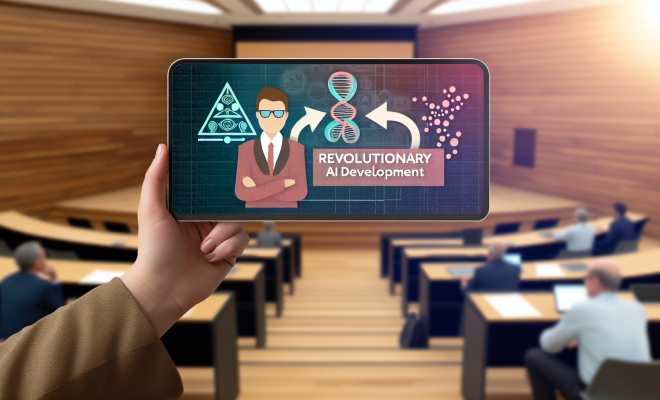
Yann LeCun, a leading figure in artificial intelligence and the executive chairman of Advanced Machine Intelligence Labs (AMI Labs), delivered an insightful lecture at Brown University’s 2026 Lemley Family Leadership Lecture. During his talk, LeCun provided an in-depth critique of current trends in AI, particularly focusing on large language models like ChatGPT. He argued that these models fundamentally lack an understanding of the physical world, which significantly limits their utility and effectiveness.
Criticism of Generative Models
LeCun’s remarks emphasized the need for AI researchers to move away from generative models that dominate the current landscape. He asserted that while models like ChatGPT can generate human-like text, they do not possess true comprehension. This critique is particularly relevant as the field sees an influx of generative AI applications, which have raised both excitement and skepticism among researchers and the public.
Introducing ‘World Models’
To address the shortcomings of existing AI models, LeCun introduced the concept of ‘world models’ developed by AMI Labs. These models are designed to be trained on sensory data, facilitating a more profound understanding of the physical world. By incorporating sensory information, these models aim to enhance AI’s ability to engage in hierarchical planning, a cognitive capability that LeCun identifies as a hallmark of human intelligence.
The Importance of Hierarchical Planning
Hierarchical planning allows humans to organize tasks and make decisions based on a broad understanding of their environment. LeCun believes that equipping AI with this capability will enable machines to perform more complex tasks, ultimately bringing them closer to human-like intelligence. This perspective highlights a shift in focus from mere data processing to a more holistic understanding of how AI can interact with and navigate the physical world.
Funding and Future Prospects
AMI Labs has made significant strides in the AI sector, raising over $1 billion in seed funding. This financial backing underscores the growing interest and investment in innovative AI research that prioritizes physical comprehension over existing generative models. LeCun’s vision for AMI Labs is not only to advance AI technology but also to set new standards for what intelligent systems can achieve.
Predictions for AI Development
Looking ahead, LeCun predicts that machines will eventually surpass human intelligence. However, he tempered this optimistic outlook by acknowledging that the journey toward achieving this goal will be more challenging and time-consuming than many in the field anticipate. His insights serve as a reminder of the complexities involved in AI research and the necessity for a robust theoretical foundation.
Implications for AI Research and Development
LeCun’s lecture raised important questions about the future direction of AI research. As the field grapples with the limitations of current models, his call for a paradigm shift towards world models could redefine how AI systems are built and deployed. This shift could have far-reaching implications for various industries, from robotics to healthcare, where understanding the physical environment is crucial.
Challenges Ahead
- Developing effective world models requires significant advancements in sensory data integration.
- There is a need for interdisciplinary collaboration to enhance AI’s physical comprehension.
- Ethical considerations must be addressed as AI systems become more integrated into daily life.
LeCun’s advocacy for moving beyond generative models reflects a broader discourse in the AI community regarding the fundamental goals of AI research. While generative models have captured the public’s imagination and driven significant advancements, the lack of physical world comprehension poses a critical barrier to realizing the full potential of AI.
Conclusion
Yann LeCun’s address at Brown University serves as a catalyst for ongoing discussions about the future of artificial intelligence. His emphasis on world models and hierarchical planning highlights the need for a new approach to AI that prioritizes understanding over mere data generation. As the field continues to evolve, it will be essential for researchers, developers, and policymakers to consider the implications of these advancements and work collaboratively towards building more intelligent and capable systems.