Students Embrace AI in Higher Ed Despite Restrictions (2025)
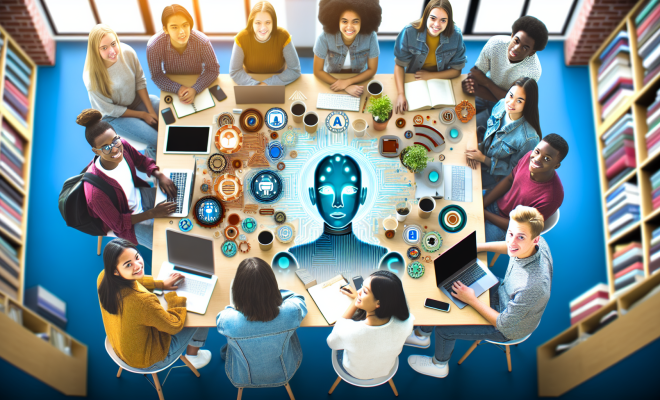
The integration of artificial intelligence (AI) into the academic landscape is no longer a futuristic concept but a present reality for college students. According to the Lumina Foundation-Gallup 2026 State of Higher Education study, a significant majority of students are utilizing AI tools to enhance their educational experience, even in the face of institutional restrictions. This trend offers insights into how technology is reshaping learning and preparing students for the workforce.
Survey Overview: AI’s Penetration in Academia
The study, conducted in October 2025, surveyed 1,433 associate degree and 2,368 bachelor’s degree students aged between 18 to 59. The findings reveal that approximately 57% of respondents report using AI weekly for their coursework. Notably, around 20% of these students leverage AI tools on a daily basis, demonstrating a growing reliance on technology to facilitate learning.
Gender Disparities in AI Usage
Interestingly, there is a notable gender gap in the daily usage of AI among students. The data indicates that 27% of male students utilize AI tools daily compared to only 17% of female students. This disparity raises questions about the underlying factors influencing engagement with technology across different demographics.
Major Fields of Study Embracing AI
Students majoring in business, technology, and engineering are at the forefront of AI utilization. These fields, which are inherently tech-driven, show the highest frequency of AI usage among students. This trend suggests that students in these disciplines are not only adopting AI as a tool for academic success but are also preparing for a job market that increasingly values technological proficiency.
Impact of Campus Restrictions
Despite the rising use of AI, many campuses have implemented restrictions on the use of such technologies in academic settings. These limitations often stem from concerns over academic integrity and the potential for misuse. However, the data from the Lumina Foundation-Gallup study indicates that students are finding ways to integrate AI into their studies regardless of these boundaries.
Student Confidence in Career Readiness
One of the more encouraging findings from the survey is the confidence students have in the relevance of their degrees. Approximately 90% of students expressed belief that their education prepares them adequately for the job market. This optimism may stem from the skills acquired through AI tools, which are increasingly recognized as valuable in various industries.
The Future of AI in Education
The role of AI in education is likely to expand as technology continues to evolve. With students already embracing these tools, educational institutions may need to reconsider their policies and adapt to the changing landscape. This might include providing training on ethical AI use, incorporating AI into curricula, and fostering an environment that encourages innovation.
Challenges and Considerations
- Academic Integrity: Institutions must balance the benefits of AI with the need to maintain standards of academic integrity.
- Equity in Access: Ensuring all students have access to AI tools is crucial to prevent widening the gap between those who can afford such technology and those who cannot.
- Skill Development: Educators should focus on teaching students how to effectively use AI tools to enhance their learning experience and career prospects.
Conclusion: Embracing a New Educational Paradigm
As artificial intelligence becomes a routine part of the academic experience, it is clear that students are eager to harness its potential. The Lumina Foundation-Gallup study illustrates a significant trend towards AI adoption in higher education, with students recognizing the importance of these tools in fostering relevant skills for their future careers. As institutions navigate the challenges associated with AI usage, the opportunity to enhance educational outcomes is vast. By embracing AI, colleges can prepare students not just for the workforce of today, but for the innovations of tomorrow.