Wellness Fashion: The Rise of Self-Care & Data-Driven Beauty
“`html
In recent years, a significant shift has occurred in how consumers approach wellness. It’s no longer just about eating right and exercising; it’s about empowerment through data, self-care rituals, and a fashionable blend of beauty products designed for maximum impact. This trend, often referred to as wellness fashion, is driven by a desire for longevity and self-optimization. Today’s consumers are equipped with information and tools that allow them to take charge of their health and appearance, making informed choices that reflect their unique wellness journeys.
The Intersection of Beauty and Wellness
The lines between beauty and wellness have blurred significantly, creating a new category that is as visually appealing as it is functional. Products like red-light therapy masks epitomize this fusion, promising not just aesthetic enhancement but also health benefits. These masks, often showcased in aesthetically pleasing settings on platforms like TikTok and Instagram, serve as perfect examples of how wellness fashion captures attention. The before-and-after content generated by users seeking visible results is not just compelling; it’s also shareable, igniting a cycle of interest and engagement across social media.
As beauty influencers and celebrities endorse these products, their popularity skyrockets, fueled by the aspirational nature of self-care. This phenomenon taps into the fear of missing out (FOMO) that characterizes today’s media landscape. Who wouldn’t want to be part of the latest trend that promises glowing skin or improved health? The more visually striking the product, the better it performs online, making wellness fashion a win-win for both consumers and brands.
The Role of Data in Empowering Consumers
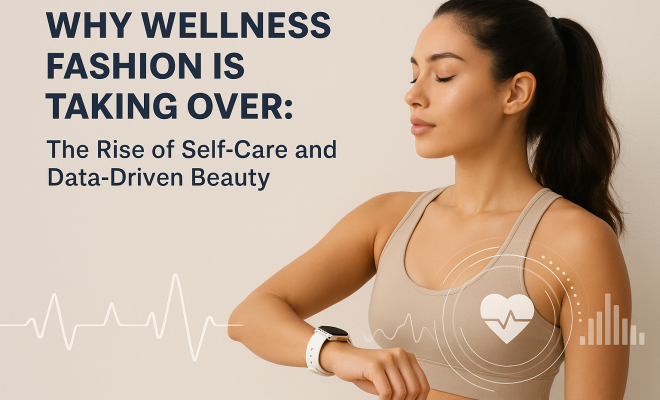
With the rise of wearable technology and health apps, consumers now have access to an unprecedented amount of data about their bodies. This data-driven approach allows individuals to tailor their wellness routines like never before. For instance, fitness trackers not only monitor physical activity but also provide insights into sleep patterns and heart rates, helping users make informed decisions about their health.
Moreover, beauty brands are increasingly incorporating technology into their products to offer personalized experiences. Companies now use AI algorithms to suggest skincare routines based on individual skin types and concerns. This level of customization empowers consumers, making them active participants in their wellness journeys rather than passive recipients of beauty standards.
The Allure of Self-Care Rituals
Self-care has become a buzzword in recent years, and for good reason. The practice of taking time for oneself is essential for mental and emotional well-being. However, self-care has evolved beyond simple relaxation to include a variety of rituals designed to enhance both beauty and health. This evolution is where wellness fashion really shines.
From luxurious bubble baths infused with essential oils to intricate skincare routines that promise to rejuvenate, self-care rituals often incorporate elements of both beauty and wellness. Brands are responding to this demand by creating products that cater to the multi-faceted nature of self-care. Think of skincare lines that focus on clean ingredients and sustainability while also delivering visible results. These products resonate with consumers who are seeking authenticity and transparency in their purchases.
Viral Trends and Social Media Influence
Social media plays a crucial role in the rise of wellness fashion. Platforms like TikTok and Instagram are not just avenues for marketing; they create a culture where trends can go viral overnight. Users eagerly share their experiences with wellness products, providing authentic testimonials that resonate with their followers. The visual nature of these platforms means that products must not only deliver results but also look good doing it.
Consider the recent trend of jade rollers, for example. Initially viewed as a quirky beauty tool, they quickly gained momentum through captivating videos and stunning visuals on social media. Users shared their routines, showcasing the relaxing benefits of these rollers, leading to skyrocketing sales. This is a clear illustration of how wellness fashion can thrive in an environment where user-generated content reigns supreme.
The Impact of Celebrity Endorsements
When it comes to wellness fashion, celebrity endorsements can make all the difference. Stars like Kim Kardashian and Gwyneth Paltrow have built entire empires around their wellness brands, aligning their public personas with the ideals of health and beauty. Their influence extends beyond traditional advertising; they create a lifestyle that many aspire to, making their products highly desirable. (See: mental health and self-care practices.)
For instance, Paltrow’s Goop brand has long championed the idea that wellness is not just about physical health but also about aesthetics and lifestyle choices. By promoting products that intersect with wellness fashion, she has cultivated a devoted following eager to emulate her self-care routines. This trend highlights how powerful celebrity influence can be in shaping consumer behavior, particularly in the realm of wellness.
Consumer Trends and the Search for Visible Results
As consumers become more educated about wellness, their expectations have shifted. They seek products that deliver visible results, moving away from vague promises to concrete outcomes. This has led to a surge in demand for items that not only enhance appearance but also contribute to overall well-being.
For example, brands are now marketing products like collagen supplements and probiotics, emphasizing their dual benefits for beauty and health. This trend is indicative of a larger movement towards holistic wellness, where consumers understand that true beauty comes from within and that what they put in their bodies is just as important as what they apply on their skin.
The Future of Wellness Fashion
Looking ahead, the future of wellness fashion appears bright. The convergence of technology, beauty, and self-care will continue to evolve, driven by consumer demand for products that enhance both health and appearance. As more brands lean into this concept, we can expect to see innovations that blend functionality with aesthetics.
Moreover, as awareness of mental health issues grows, wellness fashion may increasingly incorporate elements that promote emotional well-being. Imagine a line of clothing designed not just for style but also for comfort and mindfulness—garments that encourage relaxation and self-reflection. This could be the next frontier in wellness fashion, appealing to those who wish to prioritize their mental health alongside their physical appearance.
How to Embrace Wellness Fashion
If you’re looking to integrate wellness fashion into your life, start by identifying products and practices that resonate with you. Here are a few actionable tips to help you get started:
- Research and Experiment: Take the time to learn about different wellness products and their benefits. Don’t be afraid to try new things—what works for someone else might just be your next favorite.
- Focus on Authenticity: Seek out brands that align with your values, particularly those that prioritize sustainability, transparency, and ethical practices.
- Document Your Journey: Share your experiences on social media. Not only can this inspire others, but it can also create a sense of accountability for your wellness journey.
- Mix It Up: Combine wellness products with your existing beauty routines. Find ways to integrate self-care rituals into your daily life, whether that’s through mindfulness exercises, skincare, or fitness.
The Psychology Behind Wellness Fashion
Understanding the psychology behind wellness fashion can provide deeper insights into why it has become such a powerful trend. Many consumers are moving toward wellness fashion as a means of self-expression and identity formation. In a society that often prioritizes external appearances, wellness fashion allows individuals to convey a sense of health, vitality, and conscientious living—qualities that are increasingly valued.
This trend can also be tied to the rise of individualism, where people seek to carve out their unique paths in wellness. The act of carefully curating wellness products becomes part of a larger narrative about who they are and what they stand for. This connection between product choice and identity can lead to strong brand loyalty, as consumers feel their purchases reflect their values and lifestyle choices.
Statistics that Matter
The wellness fashion market is on the rise, and statistics highlight this growing trend. According to a report by Grand View Research, the global wellness market was valued at approximately $4.9 trillion in 2020 and is expected to grow significantly in the coming years. The beauty segment, which includes wellness fashion, is projected to reach $716 billion by 2025.
Additionally, a survey conducted by McKinsey found that nearly 79% of consumers are willing to invest in wellness products, with the average person spending around $300 a month on items that promote their well-being. This shift in consumer behavior underscores the importance of wellness fashion as not just a fleeting trend but a long-term movement that reflects a changing societal focus toward health and self-care.
Examples of Wellness Fashion Brands
Several brands have successfully integrated wellness into their product offerings, showcasing the versatility of wellness fashion. Brands like Venture combine stylish activewear with technologically advanced fabrics that promote breathability and comfort during workouts. Tatcha, on the other hand, focuses on skincare that emphasizes natural ingredients and rituals rooted in Japanese traditions, appealing to the wellness and beauty ethos simultaneously. (See: CDC on health and wellness topics.)
Another example is Alala, which creates high-fashion activewear that seamlessly transitions from the gym to everyday life. Their designs are not only functional but also stylish, embodying the idea that wellness can look good while being effective. These brands exemplify the diverse landscape of wellness fashion, each finding unique ways to appeal to consumers’ desires for both aesthetics and functionality.
Frequently Asked Questions about Wellness Fashion
What is wellness fashion?
Wellness fashion refers to the integration of self-care, beauty, and health into lifestyle choices and product offerings. It encompasses a range of products aimed at enhancing both physical appearance and overall well-being.
How can I incorporate wellness fashion into my daily routine?
You can start by selecting products that align with your wellness goals, such as skincare items with natural ingredients, activewear that promotes comfort, or wellness tracking devices. Consider integrating self-care rituals like meditation or skincare routines into your daily life.
Why is social media important for wellness fashion?
Social media platforms serve as powerful tools for spreading awareness about wellness fashion trends. They allow users to share authentic experiences and testimonials, often driving organic engagement and interest in specific products or rituals.
Can wellness fashion be sustainable?
Yes, many wellness fashion brands prioritize sustainability by using eco-friendly materials, ethical sourcing, and transparent manufacturing practices. Consumers increasingly seek out brands that align with their values regarding environmental responsibility.
Is wellness fashion only about aesthetics?
No, wellness fashion is about more than just looking good. It emphasizes a holistic approach to health, focusing on the well-being of mind, body, and spirit through products that encourage self-care and healthy lifestyle choices.
Exploring the Connection Between Wellness Fashion and Mental Health
Wellness fashion isn’t solely about physical appearance; it also plays a crucial role in mental health. The practice of self-care and the selection of wellness-oriented products can significantly reduce stress and anxiety. Wearing clothing that feels comfortable and enhances well-being can improve mood and promote a positive self-image. For example, many brands are now creating athleisure that’s not only designed for workouts but also aims to elevate the wearer’s emotional state.
Research indicates that certain colors and fabrics can invoke feelings of calmness or joy. Brands like Outdoor Voices utilize colors that are known to be uplifting and energizing, while fabrics that are soft and stretchable provide comfort. This approach aligns with the philosophy that what you wear can impact how you feel.
Integrating Technology into Wellness Fashion
The integration of technology into wellness fashion is another area experiencing rapid growth. Wearable technology, such as smartwatches and fitness trackers, not only tracks health metrics but also aligns with fashion trends. Companies are now developing smart clothing that can monitor heart rates, body temperature, and stress levels, providing real-time feedback to users.
For instance, brands like Athos create fitness apparel with embedded sensors that provide data on muscle performance. This blend of technology and fashion allows consumers to optimize their workouts, enhancing both their physical and mental health. The combination of style and functionality makes this category of wellness fashion particularly appealing to tech-savvy consumers who value both aesthetics and data. (See: New York Times on wellness fashion.)
The Role of Community in Wellness Fashion
Another aspect that contributes to the success of wellness fashion is the sense of community it fosters. Engaging with like-minded individuals through social media or community events creates a supportive environment where people share their wellness journeys. Brands that emphasize community-building often see a loyal customer base that feels connected to the brand’s mission.
For example, Lululemon has built a strong community around its brand through local events, fitness classes, and online forums. This connection encourages individuals to engage with wellness fashion not just as consumers but as active participants in a larger wellness movement. The community aspect enhances the overall experience and promotes a sense of belonging, which is an essential element of wellness.
Wellness Fashion for Every Budget
One common misconception about wellness fashion is that it requires a hefty budget. In reality, there are options available for every price point. Many brands understand that accessibility is key to reaching a wider audience. High-end wellness fashion brands often create capsule collections or collaborate with mass-market retailers to offer more affordable options.
For example, collaborations like Target’s partnerships with wellness brands bring quality products to consumers at a fraction of the price. Consumers can find stylish activewear, skincare products, and wellness accessories that don’t break the bank. This democratization of wellness fashion allows everyone to participate in the trend, regardless of their financial situation.
The Cultural Impact of Wellness Fashion
As wellness fashion continues to evolve, it also reflects broader cultural shifts towards health and self-care. Societal norms are changing, as people prioritize mental and physical well-being over traditional beauty standards. This cultural shift influences how brands develop their products and market them to consumers.
For example, the rise of body positivity movements has led many brands to create inclusive sizes and styles, ensuring that wellness fashion is accessible to people of all shapes and sizes. This not only signals a change in the marketplace but also reflects a growing acceptance of diverse representations of wellness and beauty.
Conclusion
In a world increasingly dominated by data, social media, and a desire for authenticity, wellness fashion has emerged as a powerful force. Consumers are taking charge of their wellness journeys, armed with information and a plethora of products designed to enhance both beauty and health. As this trend continues to grow, it presents exciting opportunities for individuals to embrace self-care and self-optimization in their everyday lives. The convergence of technology, community, and cultural awareness will keep wellness fashion at the forefront of consumer choice, shaping not just what we wear but how we feel.
“`
Trending Now
Frequently Asked Questions
What is wellness fashion?
Wellness fashion is a trend that combines self-care and beauty products with a focus on health and empowerment. It emphasizes using data-driven insights to enhance personal wellness, incorporating items like red-light therapy masks that offer both aesthetic and health benefits.
How has beauty and wellness changed in recent years?
The lines between beauty and wellness have blurred, creating a new category that prioritizes both visual appeal and functionality. Consumers now seek products that not only enhance appearance but also promote health, driven by social media trends and endorsements from influencers.
Why is data important in wellness fashion?
Data plays a crucial role in wellness fashion by empowering consumers with information about their health. Wearable technology and health apps provide insights that allow individuals to customize their wellness routines, leading to more informed choices regarding beauty and self-care.
What role do influencers play in wellness fashion?
Influencers significantly impact wellness fashion by endorsing products that promise health and beauty benefits. Their reach on social media platforms fuels the popularity of these products, creating a cycle of interest and engagement that drives consumer behavior.
How does social media influence wellness trends?
Social media platforms like TikTok and Instagram play a pivotal role in shaping wellness trends by showcasing visually appealing products and user-generated before-and-after content. This engagement not only attracts attention but also creates a sense of FOMO, encouraging more consumers to participate in wellness fashion.
Agree or disagree? Drop a comment and tell us what you think.