Overtourism Protests Reshape Europe’s Iconic Cities
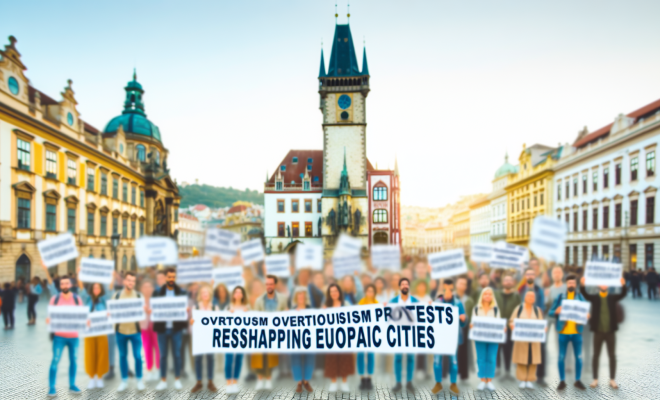
The phenomenon of overtourism protests has swept across Europe, with residents in popular cities like Barcelona, Venice, and Amsterdam rising up against the overwhelming tide of tourists that threaten to swallow their communities. As visitor numbers soar, locals are fighting back, demanding that governments take urgent action to protect their neighborhoods and maintain the integrity of their cultural sites.
The Rise of Overtourism
Overtourism, characterized by an excessive number of tourists in a location, has reached critical levels in several European cities. The influx of visitors has disrupted local life and strained infrastructure, leaving many residents feeling overwhelmed and marginalized in their own neighborhoods. The situation has now reached a boiling point, with protests erupting in various cities where the impact of tourism is most pronounced.
Key Destinations Facing Unrest
- Barcelona: Known for its stunning architecture and vibrant culture, Barcelona has become a flashpoint for overtourism protests. Residents have blocked access to popular tourist spots, citing the degradation of local neighborhoods and quality of life.
- Venice: The floating city, popular for its canals and historic sites, has seen massive demonstrations as locals demand limits on the number of daily visitors. The city’s fragile ecosystem is at risk from the sheer volume of tourists flocking to see its beauty.
- Amsterdam: Famous for its picturesque canals and rich history, Amsterdam is grappling with the negative impacts of mass tourism. Protests have grown as residents call for measures to mitigate the tourists’ impact on their everyday lives.
Protests and the People Behind Them
The call for action has resonated deeply with local communities, leading to record-breaking protest attendance in these cities. Videos circulating on social media show residents passionately blocking streets and intersections, voicing their grievances against the tourism industry that has transformed their cities into playgrounds for international travelers.
Demands for Change
Residents are not merely protesting for the sake of it; they are bringing forward specific demands aimed at addressing the challenges posed by overtourism. Some of the key requests include:
- Visitor Caps: Many protesters are advocating for strict limits on the number of visitors allowed in key tourist areas each day.
- Regulations on Short-Term Rentals: The rise of platforms like Airbnb has exacerbated housing issues, making it difficult for locals to find affordable accommodation.
- Investment in Local Infrastructure: Residents are demanding that a portion of the revenue generated from tourism be reinvested into local communities to help mitigate the negative impacts.
Social Media: Amplifying the Message
The rise of overtourism protests has been amplified through social media channels, where travelers and residents alike engage in dialogue about the ethics of tourism. Hashtags like #StopOvertourism are trending, sparking conversations about responsible travel and how visitors can minimize their impact.
Changing Travel Ethics
The increasing visibility of these protests has prompted many travelers to reassess their plans. The emotional engagement surrounding these issues is palpable; videos of blocked streets and distressed locals serve as a powerful reminder of the human cost of tourism. Travelers are now more inclined to think critically about their destinations and the repercussions of their visits.
Government Responses to Overtourism
As the protests grow in intensity, local governments have been forced to respond. Some cities are enacting measures that could reshape the landscape of tourism forever. While many of these actions are necessary, they are also controversial.
Controversial Measures
Among the most contentious actions taken by governments are:
- Daily Visitor Limits: Some cities have instituted caps on the number of tourists that can visit certain attractions, aiming to reduce congestion and preserve local culture.
- Regulation of Airbnb: To combat the housing crisis exacerbated by short-term rentals, various cities have implemented stricter regulations on platforms like Airbnb, limiting the number of days properties can be rented out.
- Increased Taxes on Tourists: Some local governments are exploring higher taxes for tourists, hoping to generate funds that can be used to improve infrastructure and support local communities.
The Broader Implications of Overtourism
The implications of overtourism protests extend beyond just the immediate concerns of local residents. This ongoing crisis raises critical questions about the sustainability of travel as an industry. As more cities face similar challenges, the conversation about the future of tourism is becoming increasingly urgent.
Tourism’s Economic Impact
Tourism can be a significant economic driver for many cities, contributing to job creation and local revenue. However, as tensions rise between residents and tourists, there is a growing recognition that an overhaul of the industry may be necessary. Striking a balance between economic benefits and the quality of life for locals is crucial.
Creating Sustainable Tourism Models
In the face of these protests, it is clear that the tourism industry must adapt. Here are some sustainable practices that could be implemented:
- Promoting Off-Peak Travel: Encouraging tourists to visit during non-peak times can help distribute the visitor load more evenly throughout the year.
- Investing in Community-Based Tourism: Supporting local businesses and experiences can provide a more authentic experience for tourists while keeping profits within the community.
- Enhancing Visitor Education: Educating tourists about local customs, environmental concerns, and the importance of respecting communities can foster more responsible behavior.
Conclusion: The Future of Travel
The rise of overtourism protests across Europe is a clarion call for change in the travel industry. As residents fight to reclaim their neighborhoods, travelers are urged to reflect on their impact and contribute to more sustainable tourism practices. The future of travel depends on our ability to balance the needs and desires of tourists with the rights and well-being of local populations.
The events unfolding in cities like Barcelona, Venice, and Amsterdam serve as a stark reminder that the tourism industry must evolve to prevent further social friction. In the end, successful tourism should not come at the expense of local communities, but rather coexist in a way that benefits everyone involved.