Don’t Miss the 24-Hour Patch Window: Avoid Major Security Risks
“`html
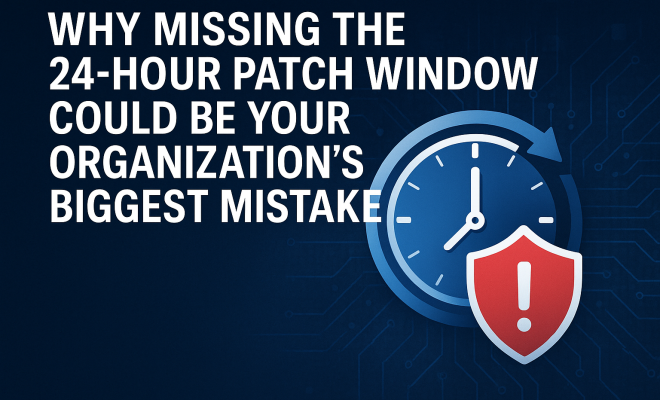
In today’s rapidly evolving cyber landscape, organizations are faced with countless threats to their security infrastructure. A striking report from the Cloud Security Alliance reveals that over 80% of organizations that fail to apply patches within a 24-hour window report security incidents linked to known vulnerabilities. This alarming statistic raises critical questions about the importance of effective patch management and the implications of neglecting this vital aspect of cybersecurity.
The 24-Hour Patch Window: A Critical Threshold
The concept of a 24-hour patch window has become a benchmark in cybersecurity. Organizations are encouraged to apply patches promptly, particularly for vulnerabilities that are widely known and exploited by malicious actors. The Cloud Security Alliance report, which surveyed over 900 cybersecurity leaders, highlights that missing this window can lead to significant security breaches. When systems remain unpatched, they become prime targets for cyberattacks, leaving sensitive data and organizational integrity at risk.
The sheer volume of attacks exploiting known vulnerabilities underscores the urgency of adhering to swift patch management practices. When organizations delay updates, they not only increase their susceptibility to attacks but also send a message that they might not prioritize cybersecurity as they should.
The Link Between Unpatched Vulnerabilities and Security Incidents
According to the report, an overwhelming 82% of organizations that miss the 24-hour patch window find themselves dealing with security incidents stemming from known vulnerabilities. This statistic is a wake-up call for security teams and executives alike. It stresses the importance of not just recognizing vulnerabilities but acting on them swiftly.
Consider the ramifications of such incidents. Organizations that fall victim to breaches face potential financial losses, reputational damage, and regulatory penalties. The continuing trend of cybercrime emphasizes that attackers are always on the lookout for easy targets: systems that are known to be vulnerable due to unaddressed patches.
Understanding the Role of Artificial Intelligence in Cybersecurity
The report also reveals that 70% of organizations have integrated AI-powered components into their security operations. While AI can significantly enhance threat detection and response capabilities, it also introduces new complexities into the cybersecurity landscape. Notably, 82% of respondents acknowledge that they cannot view AI runtime behavior in real time, leading to a concerning visibility gap.
This lack of visibility complicates patch management efforts. If organizations cannot monitor AI activities and detect anomalies, they may overlook critical vulnerabilities that could be exploited. Thus, combining effective patch management strategies with robust AI oversight is essential for effective cybersecurity.
The Importance of Proactive Patch Management
Proactive patch management is not merely a best practice; it is a necessity in the face of increasing cyber threats. Organizations must implement strategies that ensure patches are applied without delay. This includes establishing clear protocols for assessing vulnerabilities, prioritizing patching based on risk assessment, and ensuring that all software and systems are accounted for during the patching process.
Furthermore, organizations should invest in automation tools that can streamline the patch management process. Automation not only reduces the time it takes to apply patches but also minimizes human error, which is often a contributing factor to delayed patching. By automating routine tasks, security teams can focus on more complex issues that require their expertise.
Real-World Examples of Breaches Linked to Unpatched Systems
Real-world examples serve to illustrate the risks associated with inadequate patch management. One notable case is the Equifax breach in 2017, where attackers exploited a known vulnerability in the Apache Struts web application framework. Despite the existence of a patch, Equifax failed to apply it in a timely manner, leading to the exposure of sensitive data for approximately 147 million individuals. The fallout from this breach included hefty fines, legal consequences, and long-lasting damage to the company’s reputation.
Another example is the WannaCry ransomware attack in 2017, which affected thousands of organizations worldwide. The attack leveraged a vulnerability in Windows systems for which Microsoft had already released a patch. Organizations that had not updated their systems fell victim to the ransomware, resulting in significant financial losses and operational disruptions. Such incidents highlight the critical need for diligent patch management. (See: CISA Patch Management Tips.)
Best Practices for Effective Patch Management
To mitigate the risks associated with unpatched systems, organizations should adopt best practices for effective patch management. Here are some key strategies:
- Establish a Patch Management Policy: Create a comprehensive policy that outlines how patches will be managed, including timelines for applying critical updates.
- Prioritize Vulnerabilities: Utilize threat intelligence to prioritize vulnerabilities based on their potential impact on the organization.
- Automate Where Possible: Invest in automated tools to streamline the patching process and reduce the chance of human error.
- Conduct Regular Audits: Periodically assess systems and software to ensure that all patches have been applied and that no vulnerabilities are overlooked.
- Train Staff: Educate employees on the importance of patch management and the role they play in maintaining cybersecurity.
The Future of Patch Management in a Changing Cyber Landscape
The ever-evolving nature of cyber threats means that organizations must remain agile in their approach to patch management. As technologies such as AI continue to integrate into security frameworks, organizations will need to adapt their strategies to account for these advancements. This includes developing capabilities to monitor AI behavior and respond to abnormal activities that could indicate a security incident.
Moreover, with the increasing reliance on cloud services and remote work environments, the challenges of patch management will only grow. Organizations must ensure that their policies encompass all environments, including on-premises, cloud, and hybrid models. This holistic approach will be crucial for safeguarding against potential threats.
Addressing the Visibility Gap in AI Runtime Behavior
The report highlights that 82% of organizations cannot see AI runtime behavior in real time, which creates significant gaps in cybersecurity awareness. Addressing this visibility gap is critical for enhancing patch management efforts. Organizations should invest in tools that provide comprehensive visibility into AI systems, enabling them to identify potential vulnerabilities before they can be exploited.
Additionally, organizations need to foster collaboration between their cybersecurity teams and their data science departments. By sharing insights and data, teams can enhance their understanding of AI behavior and its implications for security. This collaboration will be vital in developing effective strategies to mitigate risks and ensure that patch management processes remain robust.
The Economics of Patch Management
Understanding the financial implications of patch management is essential for justifying investments in security infrastructure. According to a study by Ponemon Institute, the average cost of a data breach is expected to reach $4.24 million. Organizations that allocate resources toward effective patch management can significantly reduce these costs. For instance, timely patching can prevent breaches that lead to financial losses, remediation costs, and regulatory fines.
Moreover, the costs of inaction can be staggering. For every day that a critical vulnerability remains unpatched, the potential for exploitation increases exponentially. The average time to detect and respond to a breach is 280 days, during which organizations may incur significant costs and damage to their brand reputation. This highlights the need for proactive measures in managing patches effectively.
Comparative Analysis: Manual vs. Automated Patch Management
Organizations often struggle with the choice of manual versus automated patch management. Manual patching involves IT staff reviewing software updates and applying them individually, which can be labor-intensive and prone to human error. In contrast, automated patch management solutions can identify vulnerabilities and deploy patches quickly across the entire network.
Statistics indicate that organizations that leverage automated patch management experience a 70% reduction in vulnerability exposure time compared to those who rely on manual processes. Additionally, automated tools can prioritize patches based on risk, ensuring that critical vulnerabilities are addressed first, thereby minimizing potential attack surfaces.
In an era where cyber threats are constantly evolving, automation not only streamlines processes but also enhances compliance with regulatory requirements. Automated systems can generate reports that document patching activities and compliance status, providing organizations with a clear audit trail for regulatory reviews.
Common Challenges in Patch Management
Several challenges can complicate effective patch management. One common issue is the sheer volume of patches released regularly. Organizations may find it overwhelming to keep up with updates for various systems and applications, leading to oversight or delays in patch implementation.
Another challenge is the balance between security and operational continuity. In some cases, applying patches can disrupt business operations or require downtime, which organizations may be reluctant to accept. Developing a strategy that includes testing patches in a staging environment prior to deployment can help mitigate this risk, ensuring that updates do not negatively impact critical business functions. (See: NIST Guide on Vulnerability Management.)
Furthermore, there may be resistance from employees or management regarding the urgency of patching. Building a strong security culture that emphasizes the importance of timely updates is crucial. Regular communication, training, and executive support can help foster an environment where patch management is viewed as a priority rather than a chore.
Frequently Asked Questions (FAQ) About Patch Management
What is patch management?
Patch management is the process of managing updates for software applications and systems to address vulnerabilities, enhance performance, and ensure compliance with regulations. This includes identifying, testing, deploying, and monitoring patches.
Why is patch management important?
Patch management is essential because it closes security vulnerabilities that cybercriminals exploit. Timely patching can prevent data breaches, protect sensitive information, and ensure the integrity of systems.
How often should patches be applied?
Patches should be applied as soon as they become available, particularly for critical vulnerabilities. Organizations should aim to comply with the 24-hour patch window to mitigate risks effectively.
What are the risks of not applying patches?
Failing to apply patches can lead to security incidents, data breaches, financial losses, regulatory fines, and significant damage to an organization’s reputation. Unpatched systems are often prime targets for cyberattacks.
Can automation help with patch management?
Yes, automation can significantly enhance patch management efforts by streamlining the patching process, reducing human error, and ensuring timely updates across the organization. Automated systems can also prioritize patches based on risk assessments.
What should a patch management policy include?
A patch management policy should outline the processes for identifying vulnerabilities, timelines for applying patches, responsibilities for staff, and procedures for testing patches before deployment. It should also include guidelines for reporting and monitoring the patching status.
Final Thoughts: The Urgency of Patch Management
The findings from the Cloud Security Alliance report serve as a stark reminder of the critical role that patch management plays in maintaining organizational security. With over 80% of organizations experiencing security incidents linked to unpatched vulnerabilities, the urgency for timely updates cannot be overstated.
Organizations must recognize that patch management is not merely a technical task but a holistic approach that involves cultural change, strategic investment in tools, and continuous education of staff. By prioritizing patch management and addressing the visibility gaps associated with AI and other technologies, organizations can significantly reduce their risk profile and safeguard their assets against potential breaches.
As cyber threats continue to evolve, adopting proactive measures to ensure that systems remain updated will be a defining factor in determining an organization’s resilience against future attacks. (See: CDC Patch Management Overview.)
Emerging Trends in Patch Management
The landscape of cybersecurity is continually changing, and organizations must stay ahead of emerging trends that could impact their patch management strategies. One such trend is the increasing adoption of DevSecOps practices, which integrate security into the software development lifecycle. By embedding security into the development process, organizations can identify vulnerabilities earlier and implement patches proactively, rather than reactively.
According to a recent survey by GitLab, 67% of organizations have reported that integrating security into development workflows has reduced their vulnerability exposure. This approach allows teams to automate security testing and patching as part of their continuous integration/continuous deployment (CI/CD) pipelines, which helps address vulnerabilities before they affect production environments.
The Role of Threat Intelligence in Patch Management
Utilizing threat intelligence is another critical component of effective patch management. By leveraging data on emerging threats and the tactics used by cybercriminals, organizations can make informed decisions about which vulnerabilities to prioritize. For example, if there is a significant increase in attacks targeting a specific software vulnerability, organizations can allocate resources to patch that vulnerability before it is exploited in their environment.
Research from the SANS Institute indicates that organizations using threat intelligence can reduce their mean time to detect (MTTD) and respond (MTTR) to incidents by up to 50%. By proactively addressing vulnerabilities with the right context, organizations can significantly enhance their cybersecurity posture.
Measuring the Effectiveness of Patch Management
To truly understand the effectiveness of patch management strategies, organizations must develop metrics and key performance indicators (KPIs). Common metrics include:
- Patch Deployment Time: Measure the time taken to apply patches after their release. This helps determine how quickly vulnerabilities are addressed.
- Vulnerability Closure Rate: Calculate the percentage of vulnerabilities that are resolved within a specific timeframe, indicating the efficiency of the patch management process.
- Incident Frequency: Track incidents related to unpatched vulnerabilities over time to assess the effectiveness of patch management efforts in reducing security incidents.
- Compliance Rates: Evaluate adherence to patch management policies and standards to ensure that all systems are consistently updated.
By evaluating these metrics, organizations can make data-driven decisions on improving their patch management processes, thereby enhancing their overall security posture.
Conclusion: A Call to Action for Organizations
As cyber threats continue to advance in sophistication, organizations must recognize the critical importance of effective patch management as a foundational element of their cybersecurity strategy. The risks associated with unpatched systems are significant, and the statistics underscore the necessity of timely updates. Organizations are encouraged to adopt best practices, leverage automation, and integrate security into their development processes to build a resilient security infrastructure.
Ultimately, the responsibility of patch management falls on every member of an organization. From the top executives to frontline employees, fostering a culture of security awareness and commitment to patch management is essential. By making informed decisions and prioritizing patch management, organizations can protect themselves against evolving cyber threats and safeguard their valuable data.
“`
Trending Now
Frequently Asked Questions
What is the 24-hour patch window in cybersecurity?
The 24-hour patch window is a critical timeframe within which organizations are encouraged to apply security patches for known vulnerabilities. Missing this window significantly increases the risk of cyberattacks, as systems that remain unpatched become prime targets for malicious actors.
Why is timely patch management important for organizations?
Timely patch management is crucial because over 80% of organizations that fail to apply patches within 24 hours report security incidents linked to known vulnerabilities. Prompt updates help protect sensitive data and maintain organizational integrity against cyber threats.
What are the consequences of missing the patch window?
Missing the 24-hour patch window can result in serious consequences, including significant financial losses, reputational damage, and regulatory penalties. Organizations become highly susceptible to cyberattacks when vulnerabilities remain unaddressed.
How can organizations improve their patch management practices?
Organizations can improve their patch management by establishing clear policies for timely updates, utilizing automated patch management tools, and prioritizing vulnerabilities based on their potential impact to ensure swift action within the 24-hour window.
What percentage of organizations experience incidents due to unpatched vulnerabilities?
According to the Cloud Security Alliance report, a staggering 82% of organizations that miss the 24-hour patch window encounter security incidents stemming from known vulnerabilities, highlighting the urgent need for effective patch management.
Have you experienced this yourself? We’d love to hear your story in the comments.