Why Millions Are Turning to Light Therapy for a New Depression Subtype
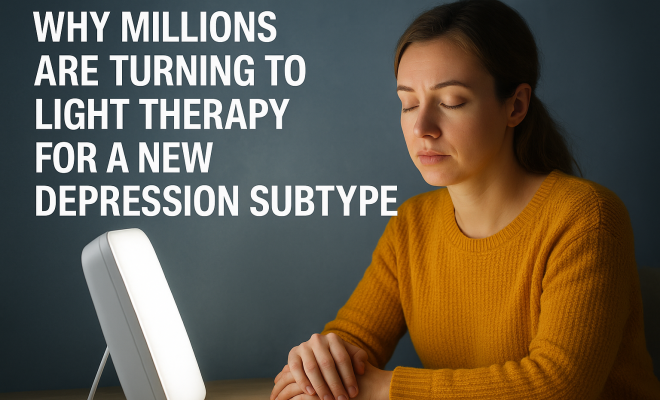
Imagine feeling perpetually out of sync, like your internal clock is running on a different time zone than the rest of the world. For nearly a quarter of Australians, this isn’t just a feeling; it’s a newly identified subtype of depression, dubbed “circadian depression.” Recent groundbreaking research, published on October 20, 2026, has shed light on this condition, revealing it’s often resistant to traditional antidepressant treatments. This discovery is a monumental step forward, offering hope and new avenues for treatment, particularly those targeting our natural circadian rhythms, like melatonin and, crucially, light therapy. If you’ve been struggling with seasonal slumps, delayed sleep, or that persistent feeling of “social jetlag,” understanding the best light therapy lamps for circadian depression could be a game-changer for your well-being.
The study, involving over 11,000 participants, paints a clear picture: circadian depression manifests with distinct patterns, often worsening with the seasons and characterized by a misalignment between our sleep-wake cycles and the demands of daily life. This isn’t just about feeling a bit down; it’s a fundamental disruption of the body’s internal timing system, impacting everything from mood and energy levels to cognitive function. The good news? We’re no longer in the dark. With this new understanding comes a focused approach to treatment, moving beyond a one-size-fits-all model. Let’s explore the top-rated light therapy lamps specifically designed to help alleviate these symptoms, backed by recent research findings, and guide you toward a brighter, more synchronized life.
1. The Bright & Happy LuminaMax 10000: Your Daily Dose of Sunshine
When we talk about light therapy, we’re essentially talking about mimicking natural sunlight. The Bright & Happy LuminaMax 10000 is a prime example of a device engineered to do just that, delivering a potent 10,000 lux of full-spectrum, UV-filtered light. This intensity is widely recommended by experts for managing conditions like seasonal affective disorder (SAD), and now, increasingly, for circadian depression. The LuminaMax 10000 stands out because of its broad illumination area, which means you don’t have to sit rigidly in front of it to get the full effect. You can place it on your desk while working, or on your kitchen counter during breakfast, allowing for greater flexibility in your morning routine.
Users often report a noticeable lift in mood and energy within just a few days of consistent use. Its adjustable stand and sleek design make it a practical addition to any home or office. What’s more, the LuminaMax 10000 incorporates flicker-free technology, which is crucial for preventing eye strain and headaches, ensuring a comfortable and beneficial therapy session. For those grappling with the persistent fatigue and low mood associated with circadian depression, starting your day with this kind of focused light exposure can be incredibly effective in resetting your internal clock and signaling to your body that it’s time to be awake and alert.
2. Verilux HappyLight Liberty Compact: Portability Meets Power
Sometimes, life demands flexibility. The Verilux HappyLight Liberty Compact understands this, offering a powerful 10,000 lux output in a surprisingly small, travel-friendly package. This lamp is perfect for individuals who need to maintain their light therapy routine even when they’re on the go, whether that’s for work trips, vacations, or simply moving between different rooms in their home. Don’t let its size fool you; it packs the same therapeutic punch as many larger units, making it an excellent choice for those seeking the best light therapy lamps for circadian depression without sacrificing portability.
The beauty of the HappyLight Liberty Compact lies not just in its size but also in its simplicity. It’s incredibly easy to use, with a single button operation and an adjustable tilt stand that lets you direct the light exactly where you need it. Reviews consistently praise its effectiveness in combating morning grogginess and improving overall mood. For individuals experiencing the ‘social jetlag’ aspect of circadian depression, having a reliable light source that can travel with them can be invaluable in maintaining a consistent schedule, even when their environment changes. It’s about keeping your internal rhythms aligned, no matter where you are.
3. Philips SmartSleep Light Therapy Lamp: Tech-Forward Circadian Support
Philips, a household name in electronics, has brought its expertise to the light therapy market with the SmartSleep Lamp, offering a more technologically advanced approach to circadian rhythm regulation. This lamp isn’t just about brightness; it’s about smart, personalized light delivery. It offers customizable light intensities and even different light colors, allowing users to tailor their therapy to their specific needs throughout the day. For instance, a brighter, cooler light in the morning for alertness, and a warmer, dimming light in the evening to prepare for sleep. This level of control can be particularly beneficial for fine-tuning the body’s natural clock, which is often severely disrupted in cases of circadian depression.
What sets the Philips SmartSleep apart is its integration with a companion app. This app allows you to schedule your light therapy sessions, track your progress, and even receive personalized recommendations based on your sleep patterns and lifestyle. Think of it as having a personal circadian coach. While it might come with a slightly higher price tag, the intelligent features and data-driven approach make it a strong contender for those who are serious about optimizing their light exposure for maximum therapeutic benefit. It’s not just a lamp; it’s a system designed to help you regain control over your internal clock. (See: light therapy for depression.)
4. Carex Day-Light Classic Plus: The Clinician’s Choice
If you’re looking for a light therapy lamp that’s often recommended by healthcare professionals, the Carex Day-Light Classic Plus frequently makes the cut. This lamp is designed with clinical efficacy in mind, providing 10,000 lux of glare-free, UV-blocked white light at an optimal viewing distance. Its unique design features two light settings: one for therapy and one for task lighting, making it a versatile addition to your daily routine. The larger light panel ensures a wide field of illumination, reducing the need to constantly adjust your position.
The Day-Light Classic Plus is known for its robust construction and stability, making it a reliable choice for long-term use. Many users appreciate the comfortable viewing angle and the absence of any discernible flicker, which can be a common complaint with less advanced units. For individuals with circadian depression, consistency is key, and a reliable, effective device like the Carex Day-Light Classic Plus can make all the difference in establishing a healthy light exposure routine. It’s a workhorse of a lamp, built to deliver consistent, therapeutic light day in and day out. For more context, see AI Healthcare Startup Revolutionizing Patient Care.
5. Northern Light Technologies Boxelite: Powerful and Durable
Northern Light Technologies is a brand synonymous with high-quality light therapy products, and their Boxelite model is no exception. This lamp offers an impressive 10,000 lux of broad-spectrum light, delivered through a large, diffusing screen that ensures even and comfortable illumination. Its durable construction means it’s built to last, a significant consideration for an investment in your mental health. The Boxelite is often lauded for its simplicity and effectiveness, proving that sometimes, straightforward design combined with powerful output is all you need.
One of the key advantages of the Boxelite is its robust build, which often translates to a longer lifespan compared to some flimsier alternatives. For anyone seeking the best light therapy lamps for circadian depression, durability matters, especially if you plan to use it daily for years to come. While it might not have all the bells and whistles of some smart lamps, its core function—delivering powerful, therapeutic light—is performed exceptionally well. It’s a no-nonsense lamp for those who prioritize performance and longevity.
6. Sphere Gadget Technologies Lightphoria: Compact and Affordable
For those new to light therapy or working with a tighter budget, the Sphere Gadget Technologies Lightphoria offers an accessible entry point without compromising on the essential therapeutic features. This compact lamp delivers 10,000 lux of light and is designed to be highly portable, making it another excellent option for travel or use in various locations. Its affordability makes it a great choice for individuals who want to test the waters of light therapy before investing in a more premium model.
Despite its lower price point, the Lightphoria receives positive feedback for its effectiveness in boosting mood and energy. It typically includes adjustable brightness settings and a timer, allowing for some customization of your therapy sessions. While it might not have the same expansive light panel as some larger units, its focused output is sufficient for most users. It’s a testament to how far light therapy technology has come, making effective treatment more widely available. Don’t underestimate its small stature; it can still make a significant difference in regulating your circadian rhythm.
7. HappyLight Luxe by Verilux: Style Meets Substance
The HappyLight Luxe is Verilux’s answer to those who want both functionality and aesthetics in their light therapy device. This lamp offers the standard 10,000 lux output but does so with a modern, sleek design that wouldn’t look out of place in a contemporary living space or office. It’s a step up in design from the more utilitarian models, proving that effective light therapy doesn’t have to look clinical. For many, integrating a treatment device seamlessly into their home decor can be an important factor in consistent usage.
Beyond its looks, the HappyLight Luxe provides customizable settings for brightness and color temperature, allowing users to fine-tune their light exposure. You can choose a cool white light for energizing mornings or a warmer tone for a more gentle experience. This level of customization is particularly helpful for individuals whose circadian rhythms are particularly sensitive, allowing them to experiment and find what works best for their specific needs. It’s a premium option that marries advanced features with an appealing design, making it a top contender for the best light therapy lamps for circadian depression.
8. Circadian Optics Light Therapy Lamp Lumos: Minimalist Design, Maximum Impact
Circadian Optics has carved out a niche for itself by creating light therapy lamps that are as aesthetically pleasing as they are effective. The Lumos, for instance, boasts a striking, minimalist design that looks more like a modern art piece than a medical device. But beneath its stylish exterior lies a powerful 10,000 lux light source, designed to effectively combat the symptoms of circadian disruption. Its small footprint also makes it ideal for cramped spaces or for those who prefer a less obtrusive device. (See: CDC on mental health conditions.)
The Lumos features touch control for easy operation and multiple brightness settings, providing flexibility for different times of day or varying personal sensitivities. Users often rave about its ability to deliver a significant energy boost and improve mood, despite its compact size. For those who appreciate clean lines and discreet technology, the Circadian Optics Lumos offers an elegant solution to managing circadian depression, proving that therapeutic tools can also be beautiful objects in their own right.
9. BioBrite SunRise Clock: Waking Up to a Brighter Day
While not a traditional light therapy lamp in the same vein as the others, the BioBrite SunRise Clock deserves a mention for its unique approach to circadian rhythm regulation. This device combines a wake-up light with a dawn simulator, gradually increasing light intensity in your bedroom before your alarm sounds. This gentle, naturalistic awakening process can be incredibly beneficial for those with delayed sleep phase syndrome, a common characteristic of circadian depression. For more context, see Breakthrough in Cancer Treatment.
Beyond its dawn simulation, the BioBrite SunRise Clock also offers a sunset simulation feature, gradually dimming light to help you wind down in the evening. This dual functionality addresses both ends of the sleep-wake cycle, providing a comprehensive approach to resetting your internal clock. While it might not deliver the intense 10,000 lux of a dedicated light therapy lamp, its ability to synchronize your sleep patterns can be a powerful tool, especially when used in conjunction with other light therapy methods or as a primary intervention for milder cases of circadian depression.
Understanding Circadian Depression and Light Therapy
The groundbreaking research that identified circadian depression as a distinct subtype is truly a turning point. For too long, individuals suffering from these symptoms – the seasonal patterns, the delayed sleep, the crushing ‘social jetlag’ – were often lumped into broader depression categories, and traditional antidepressants frequently fell short. Why? Because the root cause wasn’t just a chemical imbalance; it was a fundamental disruption of the body’s master clock, the circadian rhythm.
Our circadian rhythm is a roughly 24-hour internal clock that regulates a vast array of physiological processes, including sleep, hormone release, body temperature, and metabolism. Light, particularly bright morning light, is the most powerful synchronizer of this clock. When we don’t get enough bright light at the right time – a common issue in winter months, with modern indoor lifestyles, or due to shift work – our internal clock can drift out of alignment with the external world. This misalignment is precisely what Australian researchers found characterizes circadian depression. Light therapy works by delivering a concentrated dose of bright light, signaling to your brain that it’s daytime, thereby helping to reset and re-synchronize your internal clock. It’s a direct, non-pharmacological intervention that addresses the core mechanism of this specific depressive subtype.
Choosing the Best Light Therapy Lamp for You
With so many excellent options available, how do you choose the best light therapy lamps for circadian depression that will fit your life? It really comes down to a few key considerations. First, always prioritize a lamp that delivers 10,000 lux of light, as this is the clinically recommended intensity for therapeutic effect. Secondly, consider the size and portability. Do you need something compact for travel, or a larger unit that will stay put on your desk? Thirdly, think about features. Do you want simple on/off functionality, or do you prefer adjustable brightness, color temperature, or even smart app integration?
Beyond the technical specs, think about your lifestyle. If you’re someone who struggles to sit still, a lamp with a wide illumination area might be better, allowing you to move a bit more freely. If you’re very sensitive to light, look for models with flicker-free technology and glare reduction. And don’t forget aesthetics – if a lamp looks good, you’re more likely to use it consistently. Remember, consistency is absolutely paramount for light therapy to be effective. Incorporating it into your daily morning routine, ideally for 20-30 minutes, can make a profound difference in regulating your circadian rhythm and alleviating the symptoms of circadian depression. It’s not a magic bullet, but it’s a powerful tool in your arsenal for mental well-being.
Integrating Light Therapy into Your Routine
Getting the most out of your light therapy lamp for circadian depression means making it a consistent part of your daily life. The most effective time to use your lamp is typically in the morning, shortly after waking up. Aim for 20 to 30 minutes, although some individuals might benefit from longer sessions, up to an hour. The key is to position the lamp so that the light reaches your eyes indirectly – you don’t need to stare directly into it, but it should be within your peripheral vision. This allows the light to stimulate the specialized cells in your retina that communicate with your brain’s internal clock. (See: WHO fact sheet on depression.)
Think about where you can naturally incorporate this into your morning. Perhaps while you’re eating breakfast, reading the news, checking emails, or even doing some light stretching. The goal is to make it feel less like a chore and more like a natural part of starting your day. Avoid using bright light therapy too late in the day, especially in the evening, as this can actually disrupt your sleep patterns and exacerbate circadian misalignment. If you’re unsure about the best timing or duration for your specific situation, it’s always a good idea to consult with a healthcare professional, especially one familiar with chronotherapy and light therapy for mood disorders. They can provide personalized guidance and help you optimize your treatment plan.
The Science Behind the Shine: How Light Affects Your Mood and Sleep
It sounds almost too simple: just add light, and depression symptoms might lessen. But the science behind light therapy is robust and fascinating. Our eyes contain not only the familiar rods and cones responsible for vision but also specialized cells called intrinsically photosensitive retinal ganglion cells (ipRGCs). These cells don’t contribute to image formation; instead, they detect light intensity and, critically, send signals directly to the suprachiasmatic nucleus (SCN) in the hypothalamus – our body’s master clock. This SCN then orchestrates the release of hormones like melatonin and cortisol, which regulate our sleep-wake cycle, mood, and energy levels.
In circadian depression, this delicate signaling system is out of whack. Insufficient exposure to bright morning light, or excessive exposure to artificial light at night, can throw the SCN off its rhythm. When the SCN is confused, so is the rest of your body. Melatonin, the ‘darkness hormone’ that signals sleep, might be released too late in the evening or persist too long into the morning, leading to delayed sleep onset and morning grogginess. Conversely, cortisol, our ‘stress hormone’ that’s meant to peak in the morning, might be blunted. Light therapy works by powerfully stimulating those ipRGCs, sending a clear, unambiguous signal to the SCN that ‘it’s daytime!’ This helps suppress melatonin at the right time, promote healthy cortisol release, and ultimately, reset the entire cascade of circadian-regulated processes, leading to improved mood, energy, and sleep patterns.
Beyond the Lamp: Complementary Strategies for Circadian Health
While light therapy lamps are a powerful tool, managing circadian depression often benefits from a holistic approach. Think of your lamp as a cornerstone, but not the only brick in the wall. Integrating other healthy habits can significantly amplify the benefits and help solidify your internal clock’s rhythm. Regular physical activity, especially outdoors in natural light, can be incredibly beneficial. Even a brisk walk in the morning can provide a natural dose of light and help synchronize your body.
Diet also plays a role. Eating regular meals at consistent times can help entrain your peripheral clocks – the clocks in your organs – which also contribute to overall circadian alignment. Avoiding heavy meals close to bedtime is a good strategy. Lastly, and perhaps most obviously, sleep hygiene is paramount. This means creating a dark, cool, and quiet sleep environment, going to bed and waking up at roughly the same time each day (even on weekends!), and limiting screen time before bed. Remember, blue light from electronics can mimic daylight and interfere with melatonin production. Combining these strategies with the best light therapy lamps for circadian depression can truly transform your well-being, moving you from a state of misalignment to one of vibrant, synchronized health.
Trending Now
- This New Novo Nordisk Obesity Drug Is Showing 25% Weight Loss – But There’s a Catch
- this guide on the billion-dollar ai drug discovery problem nobody’s talking about
- The Troubling Truth About Your Digital Games Ownership
- this guide on brandon stirrup’s ai stance: why this xbox strategist deletes account and what it means
Frequently Asked Questions
What is circadian depression?
Circadian depression is a newly identified subtype of depression characterized by a misalignment between an individual's sleep-wake cycles and daily life demands. It often manifests with distinct patterns, worsening with the seasons, and can significantly affect mood, energy levels, and cognitive function.
How does light therapy help with depression?
Light therapy helps alleviate symptoms of depression by mimicking natural sunlight, which can realign circadian rhythms and improve mood. This treatment is particularly beneficial for those suffering from circadian depression, as it targets the body's internal timing system, offering an alternative to traditional antidepressants.
What are the symptoms of circadian depression?
Symptoms of circadian depression include persistent feelings of being out of sync with the world, seasonal mood changes, delayed sleep, and cognitive disruptions. Individuals may also experience low energy levels and a sense of social jetlag, indicating a misalignment in their internal clock.
What are the best light therapy lamps for circadian depression?
The Bright & Happy LuminaMax 10000 is one of the top-rated light therapy lamps designed for circadian depression. It delivers 10,000 lux of full-spectrum, UV-filtered light, effectively mimicking natural sunlight to help regulate sleep-wake cycles and improve overall well-being.
Who is affected by circadian depression?
Circadian depression affects a significant portion of the population, with nearly a quarter of Australians experiencing its symptoms. It can impact anyone with a disrupted internal clock, particularly those dealing with seasonal changes or irregular sleep patterns.
Agree or disagree? Drop a comment and tell us what you think.