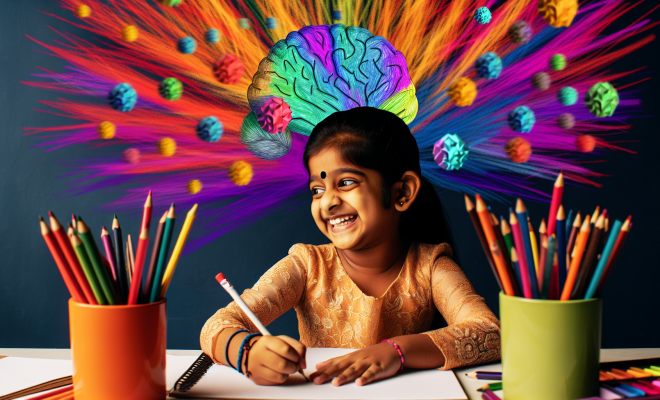
AI Personalized Learning: Reshaping Education in 2026
The landscape of education is undergoing a significant transformation, driven by technological advancements and innovative methodologies. One of the most compelling developments in this area is the rise of AI personalized learning systems. A recent study conducted by the International Education Research Foundation has revealed that these adaptive learning platforms are not just a trend; they are fundamentally changing how students engage with educational content. The findings indicate that students using AI-powered learning systems achieved a staggering 47% higher retention rate compared to their peers in traditional classrooms, along with an average improvement of 3.2 grade points. This article delves into the details of this groundbreaking research, its implications, and the ongoing debates it has ignited among educators, parents, and policymakers.
Understanding AI Personalized Learning
At its core, AI personalized learning refers to educational approaches that utilize artificial intelligence to tailor learning experiences to individual students’ needs and preferences. These adaptive systems analyze a student’s learning patterns, strengths, and weaknesses, enabling them to present content in a customized manner. Rather than following a one-size-fits-all curriculum, students can engage with materials that resonate with their learning styles, thereby enhancing their overall educational experience.
The Study: A Global Perspective
The comprehensive study conducted over 18 months spanned 250 schools across 15 countries. The researchers employed a rigorous methodology to assess the effectiveness of AI-powered learning platforms in real-world classroom settings. By comparing the performance of students utilizing these systems against those receiving traditional instruction, the study aimed to provide evidence on the evolving role of technology in education.
Among the key findings, the study highlighted the following:
- Retention Rates: Students using AI personalized learning platforms exhibited a remarkable 47% higher retention rate than their counterparts in conventional classrooms.
- Grade Improvements: On average, students utilizing these systems improved their academic performance by 3.2 grade points.
- Engagement Levels: The study found that students were more engaged with their learning when using adaptive learning technologies.
- Global Reach: The positive impact of AI personalized learning was consistent across various cultural and educational contexts.
Implications for Education
The implications of these findings are far-reaching, challenging the traditional education model that has been in place for decades. As educators and institutions grapple with how to integrate technology into the classroom, several key considerations emerge:
1. The Role of Human Teachers
One of the most significant debates arising from the study pertains to the future role of human teachers. As AI personalized learning systems become more prevalent, there is concern among educators about potential job displacement. However, many experts argue that the role of teachers will evolve rather than become obsolete. AI can serve as a powerful teaching assistant, allowing teachers to focus on fostering critical thinking and social skills among students while the technology handles individualized instruction.
2. Addressing Equity in Education
Another critical factor is the accessibility of these AI-powered systems. While the study demonstrates their effectiveness, there are concerns that not all students have equal access to these technologies. Policymakers and educational leaders must work to ensure that AI personalized learning is available to all students, regardless of their socioeconomic status. This means investing in infrastructure, training, and resources to bridge the digital divide.
3. Screen Time Concerns
As parents and educators embrace AI personalized learning, there is also a growing concern about increased screen time for students. Many parents are sharing their worries on social media, debating the potential impacts of prolonged exposure to screens on children’s health and development. Balancing the benefits of personalized learning with the risks associated with excessive screen time will be crucial in the coming years.
Investment Trends in Education Technology
In response to the study’s findings, major education technology companies have ramped up their investments in personalized AI tutoring systems. Industry giants such as Google, Microsoft, and OpenAI are leading the charge, recognizing the potential of AI to revolutionize the educational landscape. These investments are likely to accelerate the development of innovative learning tools and platforms, making personalized education more accessible and effective.
The Rise of EdTech Startups
The study has also spurred interest in the EdTech startup sector, with numerous new companies emerging to create cutting-edge AI solutions for personalized learning. This influx of new players is fostering a spirit of innovation that may further enhance the educational experience for students around the world.
Social Media Engagement and Public Discourse
The release of this study has generated a significant amount of social media engagement, with the hashtag #AIinEducation trending globally. Parents, educators, and advocates are sharing their thoughts and concerns regarding the implications of AI in the classroom. This viral conversation reflects the urgency and importance of the topic, as individuals strive to navigate the changing dynamics of education in the digital age.
Voices from Educators and Parents
Educators’ unions have responded to the research with a mixed bag of optimism and apprehension. While many express excitement about the potential of AI as a supportive teaching tool, there are also fears about job security and the potential undermining of the teaching profession. On the parents’ front, there is a strong desire for access to proven learning tools, as well as a commitment to understanding the balance between technology and traditional learning methods.
The Future of AI in Education
As we move forward, the integration of AI personalized learning is likely to continue reshaping the educational landscape. Here are some potential trends to keep an eye on:
- Hybrid Learning Models: Schools may adopt hybrid models that blend traditional instruction with AI-driven personalized learning.
- Increased Focus on Social-Emotional Learning: As AI takes on more instructional roles, there may be a greater emphasis on developing students’ social and emotional skills.
- Ongoing Research: Continued research will be essential to evaluate the effectiveness and long-term impacts of AI in educational contexts.
- Ethical Considerations: Discussions around ethics in AI usage will become more prominent, particularly regarding data privacy and algorithmic bias.
Conclusion: Embracing the Change
In conclusion, the findings from the 2026 study by the International Education Research Foundation signal a pivotal moment in education. AI personalized learning is not just a technological trend; it is a harbinger of a new approach to education that prioritizes individualized learning experiences and improved outcomes for students. As educators, parents, and policymakers navigate the challenges and opportunities presented by this shift, embracing change will be essential for harnessing the full potential of AI in education. The conversation is just beginning, and it is one that will shape the future of learning for generations to come.