Post-Peak Inflation Economy 2026: What to Expect
“`html
Understanding Peak Inflation
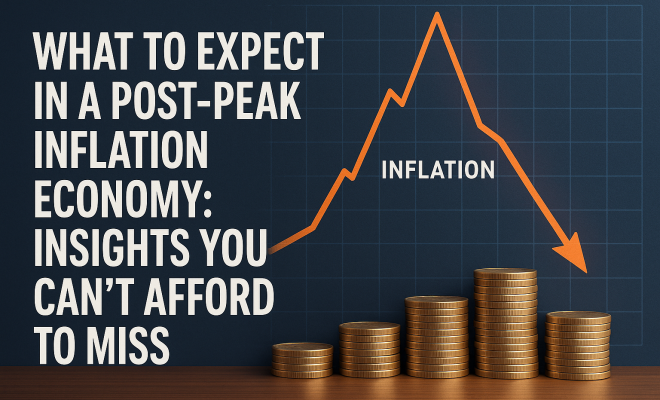
Before we dive into the implications of a post peak inflation landscape, it’s crucial to define what peak inflation even means. Peak inflation occurs when inflation rates reach their highest point before beginning to decline. This phenomenon can unleash a wave of uncertainty across financial markets, impacting both consumers and investors alike. It’s not just the numbers that matter; it’s the psychological impact on people’s financial strategies and how they manage their assets.
The Current Climate: A Look at Inflation
As of mid-2026, many economies have been grappling with heightened inflation rates, spurred by various factors including supply chain disruptions, increased demand post-pandemic, and monetary policies aimed at economic stimulation. The discussion around peak inflation gained momentum, especially after the release of a podcast by Charles Schwab featuring insights from Keith McCullough. This conversation sparked interest across social media platforms as investors sought clarity on the eventual transition to a post peak inflation environment.
The Emotional Impact of Inflation on Investors
The anxiety caused by inflation cannot be overstated. Many individuals worry about their investments losing value or failing to keep up with rising costs. This creates a sense of urgency; people want answers. The overwhelming question is, ‘What happens next?’ The fear of missing out (FOMO) looms large, especially for those who are keenly aware of their financial futures. McCullough’s insights resonated strongly with listeners who are deeply invested in their economic wellbeing.
Market Behavior: What Changes After Peak Inflation?
One of the most surprising assertions made in the podcast is that the expectation for stocks to automatically surge in a post peak inflation market may not hold true. Traditional finance theories suggest that as inflation decreases, equities should rise due to increased purchasing power and consumer spending. However, McCullough argues that the reality is far more nuanced. Market behavior in this new economic phase requires investors to rethink their strategies.
Asset Allocation Strategies in a Post Peak Inflation World
With the impending transition to a post peak inflation environment, experts are calling for a shift in asset allocation strategies. The consensus is clear: the old playbook will no longer suffice. Investors are encouraged to explore alternative assets and diversify their holdings more aggressively to mitigate potential risks. This might involve reallocating funds toward commodities, real estate, or even digital assets, which may offer better protection against future economic volatility.
Why Bonds Might Not Be the Safe Haven You Think
In the past, bonds were often viewed as a safe haven during turbulent economic times. However, the insights from the podcast suggest that this assumption may need to be re-evaluated. With interest rates potentially rising in response to economic shifts, bond prices could face downward pressure, leaving investors vulnerable. The traditional view of bonds as a protective asset may no longer hold true in a post peak inflation context.
Investor Sentiment: Navigating Fear and Uncertainty
As inflation rates fluctuate, investor sentiment plays a crucial role in market dynamics. The ‘fear and greed’ index often dictates market movements, making it imperative for investors to maintain a clear head. Developing a sound investment strategy in a post peak inflation environment requires rational decision-making and a focus on long-term goals rather than short-term market swings.
Preparing for Economic Changes: Actionable Advice
So, what can investors do to prepare for the changes that lie ahead? Firstly, it’s vital to stay informed. Regularly review your portfolio and consider rebalancing based on emerging trends and economic forecasts. Engage with financial advisors who can provide tailored insights and strategies to protect your wealth. Lastly, keep an eye on global economic indicators; they can offer clues about the health of the markets.
Post Peak Inflation: A New Economic Era?
As we transition into a post peak inflation period, we must consider how this new economic landscape will shape various sectors. Historically, different industries respond uniquely to shifts in inflation rates. For instance, consumer staples often fare better during inflationary periods as they provide essential goods, while luxury goods may suffer as consumers tighten their budgets. The post peak inflation environment may present an opportunity for certain sectors to thrive, depending on how companies adjust their strategies to meet changing consumer behaviors. (See: impact of inflation on health.)
Deeper Insights into Sector Performance
To understand the implications of a post peak inflation environment, let’s take a closer look at several sectors. The energy sector, for example, typically benefits from inflationary pressures. When inflation peaks and begins to decline, energy prices might stabilize or even decrease, providing a relief for consumers and boosting spending in other sectors. Conversely, technology companies, which often rely on consumer spending, may initially struggle but could rebound as prices stabilize and discretionary income increases.
Additionally, real estate investment trusts (REITs) can be interesting to watch. They often provide dividends that can be attractive during times of inflation, but as interest rates rise, borrowing costs for these trusts increase, potentially impacting their profitability. Understanding these dynamics can help investors make informed decisions about where to allocate their resources in the face of changing economic conditions.
Statistics on Inflation Trends
According to recent data from the Federal Reserve, the Consumer Price Index (CPI) has shown a steady upward trend for the past two years, with a peak reaching around 8% in late 2025 before showing signs of decline. As we move into the next few years, experts predict inflation rates could stabilize between 3% and 4%. This decline may not come without its challenges, as underlying factors like wage growth and supply chain recovery continue to influence economic conditions.
In a survey conducted by the annual Economic Outlook, 65% of financial experts believe a post peak inflation phase will prompt a shift in consumer behavior, with increased savings rates and a cautious approach to spending. Furthermore, 70% of investors surveyed indicated that they plan to adjust their portfolios to reflect the emerging economic conditions, highlighting a significant shift in sentiment.
The Role of Technology in Financial Strategies
Technology’s role in shaping investment strategies cannot be overlooked in a post peak inflation scenario. With the rise of fintech platforms, investors now have greater access to tools that can help them monitor their portfolios in real-time and shift their allocations quickly in response to market changes. Robo-advisors, for instance, can offer personalized investment strategies that adapt to inflation forecasts and market volatility.
Moreover, advancements in big data analytics allow investors to make more informed decisions based on trends and forecasts. As economic indicators shift, these tools can help detect early signs of inflationary pressures or market corrections, enabling proactive management of investment portfolios.
Expert Perspectives: What Analysts are Saying
Financial analysts are beginning to weigh in on the potential outcomes of a post peak inflation environment. Many emphasize the importance of flexibility and adaptability in investment strategies. A prominent economist noted that “investors who can pivot quickly and adjust their strategies based on real-time data will have a significant advantage in navigating the uncertainties ahead.” This perspective reinforces the need for ongoing education and market awareness among investors.
Furthermore, some analysts advocate for a portfolio that includes a blend of traditional assets like stocks and bonds, alongside alternative investments like cryptocurrencies or precious metals. This diversified approach can help mitigate risks associated with inflation while capitalizing on potential growth opportunities.
Frequently Asked Questions (FAQ)
What is post peak inflation?
Post peak inflation refers to the phase following the highest point of inflation, where rates begin to decline. This period can have significant implications for economic growth, consumer behavior, and investment strategies. (See: current inflation trends.)
How should investors adjust their strategies during post peak inflation?
Investors should consider diversifying their portfolio, exploring alternative assets, and remaining agile to respond to changing economic conditions. Regular portfolio reviews and consultations with financial advisors can also help in navigating this transition.
Will stocks rise after peak inflation?
While traditional theories suggest that falling inflation leads to rising stock prices, the reality may be more complex. Market responses can vary, and investors should be prepared for a range of outcomes.
What sectors are likely to perform well post peak inflation?
Sectors such as energy, consumer staples, and possibly technology may experience differing levels of success. Investors should analyze each sector’s fundamentals and responsiveness to economic changes for informed decision-making.
How can technology influence investment strategies in a post peak inflation world?
Technology, including fintech solutions and big data analytics, can enhance investment strategies by providing real-time data and insights. This allows investors to make informed decisions quickly and adapt to market dynamics.
The International Perspective on Post Peak Inflation
The effects of post peak inflation are not confined to any single country’s economy. Countries around the world will experience its impacts differently based on their unique economic structures, monetary policies, and consumer behaviors. For instance, emerging markets may face more severe challenges as they navigate external debt, currency fluctuations, and reliance on commodities. These nations might experience accelerated inflation rates due to supply chain pressures and geopolitical instability.
Conversely, developed economies that have implemented robust monetary policies may find themselves better insulated from severe inflationary pressures. However, there is still significant risk involved. If major exporters to these countries face economic turmoil, the ripple effects could impact inflation rates and consumer confidence domestically. Hence, international investors should closely monitor global developments and adjust their strategies accordingly.
Inflation’s Impact on Consumer Behavior
Consumer behavior often shifts in response to changing economic indicators, especially inflation. As inflation rises, consumers typically alter their spending habits, prioritizing essential goods and services over discretionary spending. This shift can lead to a decrease in demand for luxury items, and brands may need to respond by adjusting their marketing strategies and product offerings.
Research shows that during inflationary periods, consumers are more likely to increase their savings and seek value-oriented options, such as discount retailers or generic brands. In the post peak inflation phase, as prices stabilize, there may be a gradual return to pre-inflation consumer habits, but this will depend on overall economic confidence and job security. Businesses must be adaptable, responding to these shifts to effectively meet the needs of their consumers.
Long-term Economic Implications of Post Peak Inflation
The broader economic implications of moving into a post peak inflation environment can be profound. Central banks may begin to tighten monetary policy, which can have cascading effects across various economic sectors. For instance, if interest rates rise abruptly to combat inflation, businesses may face increased borrowing costs, impacting expansion plans and capital investments.
Moreover, wage growth may also face pressures, as businesses look to control costs amid tighter economic conditions. This can lead to a stagnation in real income growth, which in turn could hinder consumer spending and economic recovery. Understanding these dynamics will be crucial for policymakers and investors alike. As inflation rates stabilize, the focus will likely shift toward fostering sustainable economic growth without triggering new inflationary pressures.
Potential Investment Opportunities in a Post Peak Inflation Environment
While challenges abound in a post peak inflation landscape, there are also potential opportunities for savvy investors. Alternative investments, such as real assets like gold or real estate, may provide protection against inflation. Cryptocurrencies, which have gained traction in recent years, might also attract investors seeking high returns despite their volatility.
Moreover, sustainable and green investments are likely to see a surge in interest as consumers and investors increasingly prioritize environmental responsibility. Companies focusing on renewable energy, electric vehicles, and sustainable agriculture may thrive, attracting capital as the demand for eco-friendly solutions grows post-peak inflation.
Investors should also consider sectors that demonstrate resilience during economic downturns, such as healthcare and essential consumer goods, which can provide stability and steady returns even in turbulent times.
Conclusion: Embracing a New Financial Landscape
As we transition into an era defined by post peak inflation, the financial playbook is evolving. Investors must be willing to adapt and embrace new strategies to thrive amidst uncertainty. The insights shared by Keith McCullough have opened up discussions that challenge conventional wisdom and invite a more comprehensive analysis of asset management. This is not just a trend; it’s a call to action for anyone invested in their financial future. Stay informed, stay agile, and you might just find opportunities where others see threats.
“`
Trending Now
Frequently Asked Questions
What is peak inflation and why does it matter?
Peak inflation refers to the highest point inflation rates reach before they start to decline. It matters because it indicates a turning point in economic conditions, influencing consumer behavior, investment strategies, and overall market stability.
How does peak inflation affect investors?
Peak inflation creates uncertainty for investors, leading to anxiety about the value of their investments. Concerns about rising costs can drive urgency in decision-making, as individuals seek clarity on how to protect and grow their assets.
What happens to the stock market after peak inflation?
Contrary to traditional expectations, stocks may not automatically surge after peak inflation. As inflation decreases, market behavior can vary, and investors should remain cautious and informed about potential changes in economic conditions.
What are the psychological impacts of inflation on consumers?
Inflation can create significant psychological stress for consumers, leading to fears of missed opportunities and financial instability. This anxiety influences how individuals manage their finances and investments during uncertain economic times.
What insights did Keith McCullough provide about post peak inflation?
Keith McCullough discussed the complexities of transitioning to a post peak inflation economy, emphasizing that expectations for automatic stock market gains may be misguided. His insights highlight the need for a strategic approach to investing in changing economic landscapes.
What did we miss? Let us know in the comments and join the conversation.