The Tech Edvocate

Top Menu

  • Advertisement
  • Apps
  • Home Page
  • Home Page Five (No Sidebar)
  • Home Page Four
  • Home Page Three
  • Home Page Two
  • Home Tech2
  • Icons [No Sidebar]
  • Left Sidbear Page
  • Lynch Educational Consulting
  • My Account
  • My Speaking Page
  • Newsletter Sign Up Confirmation
  • Newsletter Unsubscription
  • Our Brands
  • Page Example
  • Privacy Policy
  • Protected Content
  • Register
  • Request a Product Review
  • Shop
  • Shortcodes Examples
  • Signup
  • Start Here
    • Governance
    • Careers
    • Contact Us
  • Terms and Conditions
  • The Edvocate
  • The Tech Edvocate Product Guide
  • Topics
  • Write For Us
  • Advertise

Main Menu

  • Start Here
    • Our Brands
    • Governance
      • Lynch Educational Consulting, LLC.
      • Dr. Lynch’s Personal Website
      • Careers
    • Write For Us
    • The Tech Edvocate Product Guide
    • Contact Us
    • Books
    • Edupedia
    • Post a Job
    • The Edvocate Podcast
    • Terms and Conditions
    • Privacy Policy
  • Topics
    • Assistive Technology
    • Child Development Tech
    • Early Childhood & K-12 EdTech
    • EdTech Futures
    • EdTech News
    • EdTech Policy & Reform
    • EdTech Startups & Businesses
    • Higher Education EdTech
    • Online Learning & eLearning
    • Parent & Family Tech
    • Personalized Learning
    • Product Reviews
  • Advertise
  • Tech Edvocate Awards
  • The Edvocate
  • Pedagogue
  • School Ratings

logo

The Tech Edvocate

  • Start Here
    • Our Brands
    • Governance
      • Lynch Educational Consulting, LLC.
      • Dr. Lynch’s Personal Website
        • My Speaking Page
      • Careers
    • Write For Us
    • The Tech Edvocate Product Guide
    • Contact Us
    • Books
    • Edupedia
    • Post a Job
    • The Edvocate Podcast
    • Terms and Conditions
    • Privacy Policy
  • Topics
    • Assistive Technology
    • Child Development Tech
    • Early Childhood & K-12 EdTech
    • EdTech Futures
    • EdTech News
    • EdTech Policy & Reform
    • EdTech Startups & Businesses
    • Higher Education EdTech
    • Online Learning & eLearning
    • Parent & Family Tech
    • Personalized Learning
    • Product Reviews
  • Advertise
  • Tech Edvocate Awards
  • The Edvocate
  • Pedagogue
  • School Ratings
  • Philippines Sees 1% Drop in External Debt Amid Rising Fuel Prices and Global Economic Tensions

  • Stability in Fuel Prices Amid Global Turmoil: What You Need to Know

  • Nifty 50 Plummets Amid Escalating Middle East Tensions and Oil Price Volatility

  • Crude Oil Prices Surge as Tensions Rise Over Iran Threats

  • China’s Economic Resilience in Early 2026 Amid Global Turbulence

  • Revolutionizing Entrepreneurship: The Rise of One-Person Startups in China Using AI

  • Bold Secures $40 Million to Revolutionize AI-Driven Cybersecurity Solutions

  • Breaking Through the Noise: Google and Accel India Select Promising Startups Beyond AI ‘Wrappers’

  • Accel and Google’s AI Futures Fund Highlights Innovation with 2026 Atoms AI Cohort

  • Capital Shifts: The New Wave of Startup Investments in AI and Robotics

Digital & Mobile Technology
Home›Digital & Mobile Technology›What Are CFG and CONFIG Files, and How Do You Open Them?

What Are CFG and CONFIG Files, and How Do You Open Them?
By Matthew Lynch
July 5, 2023
0
Spread the love

Computers use different types of files to store certain data, and two of the most commonly used files in computer systems are CFG and CONFIG files. These files are used to manage different system functions, and their settings can be critical in software applications and operating systems. In this article, we will outline what CFG and CONFIG files are, and how you can open them on your computer.

CFG Files

CFG (Configuration) files are used to store configuration settings that are related to a particular program or application. These files contain various settings such as preferences, options, and values, which are required by the program to operate correctly. For instance, video games usually contain CFG files that store various video and sound settings, as well as mouse and keyboard configurations.

In most cases, CFG files are created automatically by the program during installation. However, some CFG files may need to be edited manually, especially in cases where the program doesn’t have an in-built options menu. Several different programs may create CFG files, and each file type may have a slightly different format.

CONFIG Files

CONFIG files, on the other hand, are files that store system-level configuration settings. For instance, CONFIG files in the Windows operating system store settings such as registry keys, which are critical to the system’s operation. CONFIG files store a wide range of settings that are used by different programs and services on a computer.

CONFIG files have a specific format, and they are often located in the root directory of the program or the application. Some CONFIG files are editable, and users can make changes to suit their needs. However, it’s important to note that editing CONFIG files can impact the stability and performance of a system. Therefore, it’s crucial to back up the file before making any changes.

Opening CFG and CONFIG Files

CFG and CONFIG files can be opened using a text editor such as Notepad or Wordpad. However, it’s important to ensure that you’re only editing specific sections of the file that contain the settings you want to change.
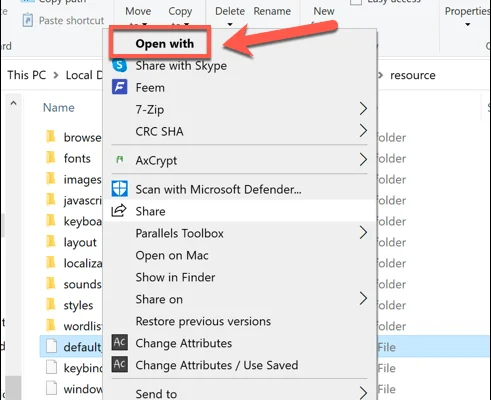
To open a CFG or CONFIG file, follow these steps:

1. Open the file explorer on your computer.

2. Navigate to the location where the CFG or CONFIG file is stored.

3. Right-click on the file, and select “Open With” from the context menu.

4. Choose a text editor such as Notepad or Wordpad to open the file.

It’s crucial to note that CFG and CONFIG files can contain sensitive information, especially on system-level CONFIG files. Therefore, it’s essential to back up the file before making any changes, and ensure that you know what you’re doing before you make any modifications. Additionally, creating backups of critical configuration files or maintaining system restore points is essential to quickly restore the system’s previous state if something goes wrong.
In conclusion, CFG and CONFIG files contain critical configuration settings that are used by different programs and operating systems. Knowing how to access and modify these files is essential for system administrators and advanced users. However, it’s important to be cautious when editing configuration files, as any incorrect modifications can have significant impacts on a system’s performance and stability.


Previous Article

How to Fix It When Outlook Spell ...

Next Article

How to Fix iPhone Stuck in Headphone ...

Matthew Lynch

Related articles More from author

  • Digital & Mobile Technology

    How to Change the Color of an Image in Photoshop: 3 Ways

    September 8, 2023
    By Matthew Lynch
  • Digital & Mobile Technology

    Here’s How to Fix An iPhone That Won’t Turn Off

    May 30, 2023
    By Matthew Lynch
  • Digital & Mobile Technology

    How Realistic Is Weather Control? Are Governments Controlling It Already?

    August 5, 2023
    By Matthew Lynch
  • Digital & Mobile Technology

    YouTube Channels to Watch Scary Movies (Legally)

    June 12, 2023
    By Matthew Lynch
  • Digital & Mobile Technology

    How to Hide Your Android Apps from Snooping Eyes

    April 26, 2023
    By Matthew Lynch
  • Digital & Mobile Technology

    Best Luxury Fashion Websites to Shop for Designer Clothes

    June 15, 2023
    By Matthew Lynch

Search

Login & Registration

  • Register
  • Log in
  • Entries feed
  • Comments feed
  • WordPress.org

Newsletter

Signup for The Tech Edvocate Newsletter and have the latest in EdTech news and opinion delivered to your email address!

About Us

Since technology is not going anywhere and does more good than harm, adapting is the best course of action. That is where The Tech Edvocate comes in. We plan to cover the PreK-12 and Higher Education EdTech sectors and provide our readers with the latest news and opinion on the subject. From time to time, I will invite other voices to weigh in on important issues in EdTech. We hope to provide a well-rounded, multi-faceted look at the past, present, the future of EdTech in the US and internationally.

We started this journey back in June 2016, and we plan to continue it for many more years to come. I hope that you will join us in this discussion of the past, present and future of EdTech and lend your own insight to the issues that are discussed.

Newsletter

Signup for The Tech Edvocate Newsletter and have the latest in EdTech news and opinion delivered to your email address!

Contact Us

The Tech Edvocate
910 Goddin Street
Richmond, VA 23231
(601) 630-5238
[email protected]

Copyright © 2025 Matthew Lynch. All rights reserved.