WeWork amenities included
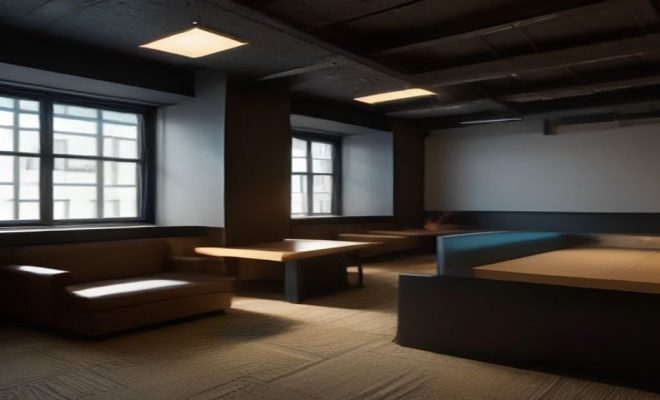
Remember when WeWork seemed to be everywhere, promising to revolutionize the way we work? It wasn’t just about renting a desk; it was about buying into a lifestyle, a community, and a suite of perks designed to make your workday not just bearable, but genuinely enjoyable. The company’s rise, and subsequent dramatic fall and reinvention, have been well-documented. But amidst all the drama, one core element remained central to its appeal: the extensive array of WeWork amenities. For many businesses, from startups to established enterprises, these amenities were a huge part of the value proposition, a way to offer employees a premium office experience without the overhead of managing it themselves.
When WeWork first burst onto the scene, its offering was genuinely disruptive. Traditional office spaces were often sterile, uninspiring, and frankly, a bit depressing. WeWork, on the other hand, offered vibrant, design-led spaces brimming with energy. They understood that the modern workforce craved flexibility, community, and an environment that fostered creativity and collaboration. The amenities weren’t just add-ons; they were integral to this vision, carefully curated to enhance productivity, well-being, and a sense of belonging. But as the company matured and faced significant financial challenges, did the quality and breadth of these amenities hold up? And more importantly, are they still a compelling reason for businesses to choose WeWork in today’s dynamic co-working landscape?
The Genesis of the WeWork Amenity Playbook
To really grasp the significance of WeWork amenities, we need to rewind a bit to the early 2010s. Back then, co-working was still a niche concept. Most businesses either leased traditional office space or worked from home. WeWork’s founders, Adam Neumann and Miguel McKelvey, saw an opportunity to create something entirely different. They weren’t just selling square footage; they were selling an experience. This meant going far beyond the basics of desks and chairs.
Their initial strategy was brilliant in its simplicity: combine flexible lease terms with an all-inclusive package of services and perks. This wasn’t just about providing Wi-Fi and coffee; it was about creating an ecosystem. From the moment you walked into a WeWork, you were greeted by a thoughtfully designed space, often featuring unique artwork, comfortable lounges, and an undeniable buzz. The idea was to remove all the typical office headaches – managing utilities, stocking supplies, cleaning – and replace them with a seamless, hospitality-driven experience. This foundational approach to bundled services and a curated environment set the stage for what would become the iconic WeWork amenities package, attracting a diverse clientele eager for an upgrade from conventional office environments.
Core WeWork Amenities: Beyond the Desk
Let’s break down the fundamental WeWork amenities that became synonymous with the brand. These weren’t optional extras; they were built into the membership and formed the backbone of the value proposition. At the top of the list, of course, was the infrastructure: high-speed internet, reliable utilities, and beautifully designed workspaces. But it quickly went beyond that.
- Coffee and Refreshments: This might seem minor, but unlimited micro-roasted coffee, tea, and often fruit-infused water became a hallmark. It signaled a commitment to keeping members fueled and hydrated, a small luxury that added up over time.
- Community Managers and Events: Every WeWork location had a dedicated team of community managers. Their role wasn’t just administrative; it was about fostering connections, organizing networking events, happy hours, and even professional development workshops. This human element was crucial in building the ‘community’ aspect.
- Printing and Office Supplies: Say goodbye to jammed printers and empty toner cartridges. WeWork took care of all the printing, scanning, and basic office supplies, removing a common point of frustration for small businesses and individuals.
- Cleaning and Maintenance: A clean, well-maintained workspace is essential for productivity and morale. WeWork handled all the janitorial services, ensuring that common areas and private offices were always presentable.
- Phone Booths and Meeting Rooms: Privacy for calls and dedicated spaces for team meetings were critical. WeWork offered soundproofed phone booths and a booking system for various sizes of meeting rooms, complete with AV equipment.
- Mail and Package Handling: For many small businesses, having a professional mailing address and someone to handle incoming packages was a significant benefit, lending an air of professionalism they might not otherwise have.
These core WeWork amenities created an environment where businesses could simply show up, plug in, and get to work, leaving the operational complexities to someone else. It was a compelling offer, especially for startups and freelancers who valued agility and a professional image without significant capital expenditure.
The Lifestyle Enhancers: Wellness and Recreation
Where WeWork really pushed the envelope was in its ‘lifestyle’ amenities. They understood that work-life balance was increasingly important, and they aimed to integrate elements of well-being and recreation directly into the workday experience. These were the perks that often garnered the most attention and helped differentiate WeWork from more traditional co-working spaces.
Think about on-site gyms or discounted access to local fitness centers. Some flagship locations even boasted yoga studios or meditation rooms. It wasn’t just about physical health; mental well-being was also a consideration, with quiet zones and comfortable lounges designed for relaxation. Beyond fitness, many locations offered amenities like game rooms with ping-pong tables or arcade games, creating opportunities for team building and stress relief. Regular wellness programming, from guided meditation sessions to healthy cooking classes, further cemented this commitment to a holistic work environment. These efforts were designed to make the office a place people genuinely wanted to be, blurring the lines between work and leisure in a way that resonated with a younger, more dynamic workforce.
Community and Networking: The Secret Sauce of WeWork Amenities
Perhaps the most understated, yet powerful, of all WeWork amenities was the community itself. Adam Neumann often spoke about creating a ‘physical social network,’ and the amenities were designed to facilitate this. The open-plan layouts, the communal kitchens, the shared lounges – all encouraged serendipitous encounters and casual conversations. (See: WeWork's rise and fall.)
Beyond the physical design, the aforementioned community managers played a pivotal role. They were the orchestrators of connection, organizing everything from casual coffee meet-ups to formal networking events, pitch competitions, and even happy hours on Friday afternoons. These events weren’t just about blowing off steam; they were vital opportunities for members to connect with potential collaborators, clients, or even future employees. For many small businesses and freelancers, this access to a diverse network was invaluable, offering a sense of belonging and support that could be hard to find working in isolation. It’s hard to put a price tag on a strong professional network, and WeWork made it a tangible, accessible perk.
Technological Edge: Seamless Integration and Support
In a world increasingly reliant on technology, WeWork amenities naturally extended into the digital realm. High-speed, reliable Wi-Fi was a given, but it went further than that. The WeWork app, for instance, became a central hub for members. Through the app, you could book meeting rooms, RSVP to events, connect with other members via a directory, and even submit support tickets.
Many locations also offered IT support services, recognizing that tech issues can be a major productivity drain. This ranged from basic troubleshooting to assisting with network configurations. Furthermore, the seamless integration of technology in meeting rooms – easy-to-use screens, video conferencing capabilities, and whiteboards – ensured that presentations and collaborations ran smoothly. This focus on technological infrastructure and support meant that businesses didn’t have to worry about the complexities of managing their own office IT, allowing them to focus on their core operations.
The Evolution and Challenges of WeWork Amenities
While the initial vision for WeWork amenities was groundbreaking, the company’s rapid expansion and subsequent financial struggles inevitably led to shifts. As WeWork sought profitability and streamlined operations, there were questions about the sustainability of some of the more lavish perks. Anecdotal evidence from members sometimes pointed to a scaling back of certain offerings, or a more careful management of costs associated with things like free food and beverage options.
The core amenities, however, largely remained intact because they were fundamental to the operational model and what members expected. The challenge for WeWork became how to maintain the high-quality experience and breadth of amenities while also achieving financial viability. This balancing act continues to be a critical factor in its ongoing strategy. The goal is to provide enough value to justify membership costs, without overspending on perks that might not deliver a strong return on investment. The company has had to become more strategic, focusing on the amenities that truly resonate with its diverse member base and support their productivity.
Comparing WeWork Amenities to Competitors and Traditional Offices
So, how do WeWork amenities stack up against the competition and traditional office leases? When WeWork first launched, its amenity package was arguably unmatched. Few co-working spaces offered the same level of design, community programming, and integrated services. Traditional offices, on the other hand, almost universally required businesses to manage all these aspects themselves, from internet contracts to coffee supplies and cleaning services.
Today, the co-working landscape is far more crowded. Competitors like Regus (now IWG), Industrious, and local independent co-working spaces have upped their game, often offering similar, if not specialized, amenity packages. Some focus on niche industries, providing amenities tailored to creative professionals or tech startups. Others emphasize a more boutique, personalized service. While WeWork still boasts an impressive global footprint and a strong brand, the competitive pressure means that the differentiation through amenities is less stark than it once was. Businesses now have a wider array of choices, allowing them to select a co-working provider whose amenity package best aligns with their specific needs and budget.
The Value Proposition: Are WeWork Amenities Still a Smart Investment?
For businesses contemplating a WeWork membership, the central question remains: are the WeWork amenities still a smart investment? The answer, as with most things, isn’t black and white; it depends heavily on your specific needs and priorities. For a startup or a small team, the comprehensive nature of WeWork amenities can be incredibly valuable. It means minimal setup costs, no long-term leases, and instant access to a professional, fully-serviced office environment. The ability to scale up or down quickly, without the hassle of managing office infrastructure, is a huge benefit.
Furthermore, the community aspect and networking opportunities can be priceless for growing businesses looking to make connections and find talent. The ‘plug-and-play’ nature allows teams to focus entirely on their core business, rather than getting bogged down in administrative tasks. However, for larger, more established companies, or those with very specific needs, a traditional office lease might offer more customization and control, albeit with significantly more overhead. The overall cost-benefit analysis needs to factor in not just the monthly membership fee, but also the hidden costs of managing a traditional office, which WeWork effectively eliminates through its bundled amenity package.
The Future of Flexible Work and WeWork Amenities
The COVID-19 pandemic irrevocably changed the landscape of work, accelerating the shift towards flexible and hybrid models. This new reality has actually reinforced the relevance of WeWork and its amenity-rich approach. As companies reduce their fixed office footprints, they are looking for solutions that offer flexibility, professionalism, and a compelling reason for employees to come into an office, even if it’s only a few days a week. (See: WeWork's IPO and financial challenges.)
WeWork amenities, with their focus on comfortable common areas, robust technology, and community events, are perfectly positioned to meet this demand. Employees are no longer satisfied with just a desk; they want an experience that justifies their commute. The future of co-working, and specifically WeWork, will likely involve an even greater emphasis on curated experiences, advanced technological integration for hybrid meetings, and continued flexibility in membership options. WeWork has the opportunity to solidify its role as a key player in the flexible workspace market by continuing to innovate and adapt its amenity offerings to the evolving needs of the modern workforce. They need to show that beyond the past drama, the core value proposition of a fully-serviced, amenity-rich environment remains strong and relevant.
The Psychology Behind Amenity-Driven Workspaces
It’s not just about what amenities are offered, but also the psychological impact they have on individuals and teams. WeWork tapped into some fundamental human desires: belonging, convenience, and a sense of care. When a company provides high-quality coffee, comfortable lounges, and even wellness programs, it sends a clear message to employees and members: “We value you.” This isn’t just fluffy sentiment; it translates to tangible benefits like increased job satisfaction and reduced stress. Employees who feel valued are more likely to be engaged, productive, and loyal. A study by Staples Advantage found that 90% of employees believe office perks improve overall happiness, and 80% believe they boost productivity. WeWork’s strategy was built on this understanding, leveraging amenities to create an environment where people felt good about coming to work, which in turn fosters a positive company culture even for disparate teams working under the same roof.
The design of the spaces themselves plays a huge role here too. Bright, airy spaces with natural light, ergonomic furniture, and thoughtful aesthetics can reduce eye strain, improve mood, and even boost cognitive function. WeWork’s commitment to design wasn’t just about looking good for marketing photos; it was about creating a genuinely pleasant and stimulating environment. This focus on the holistic experience, where physical comfort and psychological well-being are prioritized, is a key reason why amenity-rich spaces continue to attract talent and businesses.
Expert Perspectives on Amenity Trends in Co-working
Industry experts often highlight how co-working spaces are continually evolving their amenity offerings. According to Jamie Hodari, CEO of Industrious, the focus has shifted from “frills” to “fundamentals.” While ping-pong tables are fun, businesses now prioritize amenities that directly support productivity and employee well-being, like high-quality internet, professional reception services, and private spaces for focused work. “It’s about making work easier and more enjoyable, not just distracting from it,” Hodari noted in a recent interview. WeWork, despite its past, has largely maintained these fundamentals, understanding their importance.
Another trend experts observe is the rise of specialized amenities. For instance, some co-working spaces now offer podcast studios, virtual reality labs, or dedicated maker spaces, catering to specific industries. While WeWork’s strength has always been its broad appeal, it’s also begun experimenting with more tailored offerings in certain flagship locations, responding to the diverse needs of its member base. This adaptation is crucial in a competitive market where businesses are looking for spaces that truly understand and support their unique workflows.
The Economic Impact: Beyond the Monthly Fee
When considering WeWork amenities, it’s easy to focus solely on the monthly membership fee. However, the economic impact extends far beyond that. For small and medium-sized businesses (SMBs), WeWork’s bundled services represent significant cost savings. Imagine the expense of setting up and managing a traditional office: lease negotiation, furniture procurement, utility contracts, internet installation, cleaning services, IT support, and even a dedicated receptionist. Each of these components comes with its own cost, time commitment, and administrative burden.
WeWork effectively externalizes these costs and responsibilities. By amortizing these expenses across hundreds or thousands of members in a single building, they achieve economies of scale that individual businesses simply can’t match. This means SMBs can allocate more of their capital and human resources to their core business activities, rather than office management. This operational efficiency is a powerful, often underestimated, economic benefit of WeWork amenities, making a premium office experience accessible to businesses that might otherwise be priced out.
FAQ: WeWork Amenities Explained
Q: What are the most common WeWork amenities?
A: The most common WeWork amenities include high-speed internet, unlimited micro-roasted coffee and tea, professional cleaning services, printing and office supplies, dedicated community managers, private phone booths, and reservable meeting rooms equipped with AV technology. Many locations also offer mail handling and package reception.
Q: Do all WeWork locations offer the same amenities?
A: While core amenities are consistent across most locations, some premium or flagship WeWork spaces might offer additional, more luxurious perks like on-site gyms, wellness studios, game rooms, or specialized event spaces. The exact suite of amenities can vary slightly based on the size, location, and specific design of each building.
Q: How do WeWork amenities compare to traditional office spaces?
A: WeWork amenities offer a significant advantage over traditional office spaces by bundling nearly all operational services into one membership. In a traditional office, businesses are responsible for managing and paying for internet, utilities, cleaning, maintenance, furniture, and often a receptionist separately. WeWork eliminates these administrative burdens and costs, providing a ‘plug-and-play’ experience.
Q: Are wellness amenities like gyms and yoga studios common at WeWork?
A: Wellness amenities are a growing focus for WeWork. While not every location has an on-site gym or yoga studio, many offer access to quiet zones, meditation rooms, or discounted partnerships with local fitness centers. Some larger, newer locations are more likely to feature dedicated wellness facilities as part of their design.
Q: How does WeWork’s community aspect fit into its amenities?
A: The community aspect is a central ‘amenity’ of WeWork. It’s facilitated by community managers who organize networking events, happy hours, and workshops. The physical design of the spaces, with open common areas and communal kitchens, also encourages informal interactions and connections among members, fostering a sense of belonging and collaboration.
Q: Can I customize the amenities I receive with a WeWork membership?
A: WeWork typically offers different membership tiers (e.g., hot desk, dedicated desk, private office) that come with a standard set of bundled amenities. While you can’t usually pick and choose individual amenities, higher tiers or specific office types might include additional perks or greater access to certain resources, like more meeting room credits.
Q: What is the benefit of having IT support as a WeWork amenity?
A: Having IT support as a WeWork amenity means you don’t have to hire your own IT staff or troubleshoot common tech issues. This service helps with connectivity, basic hardware problems, and meeting room technology, saving businesses time, money, and frustration, allowing them to focus on their core operations without technological interruptions.
Ultimately, the enduring appeal of WeWork amenities lies in their promise of a hassle-free, inspiring, and connected work environment. While the company’s journey has been tumultuous, the fundamental desire for well-designed, amenity-rich workspaces has only grown. For many, WeWork still offers a compelling package, allowing businesses to thrive without the usual operational burdens, making it a powerful contender in the ongoing evolution of how and where we work.
Trending Now
Frequently Asked Questions
What amenities does WeWork offer?
WeWork offers a wide range of amenities designed to enhance productivity and create a vibrant work environment. These include high-speed internet, meeting rooms, communal kitchens, wellness rooms, and event spaces. Additionally, members often have access to networking events and community activities, fostering collaboration and a sense of belonging.
Are WeWork amenities worth it?
Many businesses find WeWork amenities to be a valuable investment, as they provide a premium office experience without the overhead of managing traditional office spaces. The amenities are designed to boost employee satisfaction and productivity, making them appealing for startups and established companies alike.
How did WeWork change the co-working space?
WeWork revolutionized the co-working space by prioritizing design, community, and flexibility. Unlike traditional office setups, WeWork created vibrant environments that cater to the modern workforce's desire for collaboration and creativity, significantly altering how businesses approach office space and employee well-being.
What challenges has WeWork faced?
WeWork has faced significant financial challenges, including a dramatic fall in valuation and scrutiny over its business model. Despite these issues, the company has been working to reinvent itself while maintaining its core appeal—offering a suite of amenities that enhance the co-working experience.
Is WeWork still a good option for businesses?
WeWork can still be a compelling option for businesses looking for flexible office solutions. Despite past challenges, the amenities and community aspects that originally attracted many companies remain, allowing businesses to provide employees with a dynamic and engaging workplace.
Agree or disagree? Drop a comment and tell us what you think.