US Economic Growth Downgraded for Q4 2025: What It Means
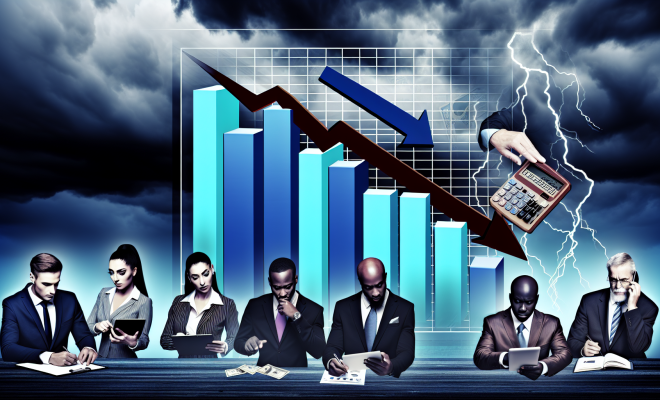
The latest data released by the government indicates a stark revision in the growth rate of the United States economy for the fourth quarter of 2025. This downgrade, which reflects a significantly slower pace than previously estimated, raises concerns about the underlying health of the economy amidst a backdrop of various pressures.
Revised Growth Figures
According to the most recent report, the US economy’s growth was revised down sharply, showcasing a vulnerability that was not fully appreciated in earlier assessments. Initial estimates had suggested a more robust economic expansion; however, the latest figures reveal a troubling trend that could have implications for future economic policy and consumer sentiment.
Key Economic Indicators
The downward revision underscores a weakening momentum in several critical areas, particularly consumer spending and employment trends. The data reflects a broader narrative of economic fragility, characterized by:
- Consumer Spending: As one of the primary drivers of economic growth, consumer spending showed signs of slowing down. The revision suggests that households are becoming more cautious, likely influenced by rising costs and economic uncertainty.
- Employment Trends: Job growth has not maintained its previous pace, raising concerns about the overall health of the labor market. A slowdown in job creation can have a cascading effect on consumer confidence and spending.
- Government Shutdown Impact: The lingering effects of prior government shutdowns appear to contribute to the current economic malaise. The disruption caused by these shutdowns has left an imprint on various sectors, adding to the overall economic pressures.
Broader Economic Pressures
The downward adjustment in growth rates can be attributed to a confluence of factors that have created a challenging environment for the US economy. Analysts point to several overarching themes that are influencing economic activity:
- Inflationary Pressures: High inflation rates have been a persistent challenge, impacting purchasing power and consumer behavior. As prices continue to rise, households are faced with increased costs for essential goods and services, leading to a reevaluation of their spending habits.
- Interest Rates: The Federal Reserve’s monetary policy adjustments, particularly in response to inflation, have led to higher interest rates. These changes can dampen consumer borrowing and spending, further slowing economic growth.
- Global Economic Conditions: External factors, including international trade dynamics and geopolitical tensions, also play a role in shaping economic prospects. The interconnectedness of the global economy means that challenges abroad can have direct implications for domestic growth.
Implications for Future Policy
The downgraded growth figures raise critical questions for policymakers as they navigate the complexities of the current economic landscape. With signs of weakening momentum, there is an urgent need for a reassessment of strategies aimed at stimulating growth and supporting consumer confidence.
Federal policymakers may need to consider a multifaceted approach, which could include:
- Targeted Fiscal Stimulus: Providing targeted support to vulnerable sectors could help spur growth and stabilize the economy. This could take the form of direct assistance to households or support for small businesses.
- Monetary Policy Adjustments: The Federal Reserve may need to carefully evaluate its interest rate policies to strike a balance between controlling inflation and supporting economic growth.
- Investment in Infrastructure: Enhancing infrastructure investment can lead to job creation and stimulate economic activity, providing a much-needed boost to consumer and business confidence.
Conclusion
The sharp downgrade in the US economic growth rate for the fourth quarter of 2025 serves as a wake-up call for stakeholders across the economic spectrum. As the nation grapples with a myriad of challenges, from rising inflation to slowing consumer spending, the need for effective policy responses has never been more pressing. Moving forward, the focus must be on fostering a resilient economy that can withstand external shocks while promoting sustainable growth.
In this climate of uncertainty, both consumers and businesses will be closely watching the actions of policymakers, hoping for proactive measures that can steer the economy back toward a path of robust growth.