Urgent Call for Mental Health Support Amidst Venezuelan Migrant Crisis in Colombia
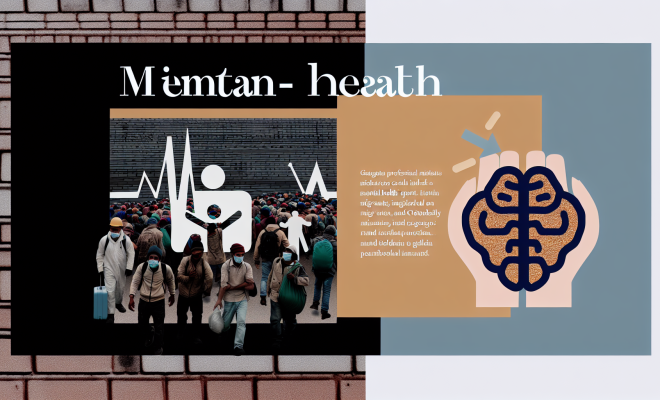
The mental health crisis facing Venezuelan migrants in Colombia has reached alarming levels, as revealed by a new study published in PLOS Mental Health. The report highlights the challenges encountered by community workers in Nariño, a region that has become a crucial point of refuge for approximately 2.86 million Venezuelans fleeing their homeland’s socio-economic turmoil. As these migrants grapple with precarious living conditions, the lack of mental health support is raising urgent concerns among professionals dedicated to their welfare.
The Struggles of Venezuelan Migrants
Venezuelan migrants in Colombia face a myriad of challenges that severely impact their mental well-being. Many arrive with insufficient resources, further complicated by their legal status. Those without official documentation face even greater barriers to accessing necessary services, which often leads to feelings of isolation and despair.
According to community workers, the following factors play a significant role in the deteriorating mental health of these individuals:
- Poverty: Many migrants live in extreme poverty, lacking the basic necessities to survive.
- Unstable Housing: Frequent displacement and lack of secure shelter contribute to chronic stress and anxiety.
- Transportation Issues: Limited access to public transport further isolates migrants from mental health services.
- Constant Movement: The transient nature of their lives prevents them from establishing stable support networks.
Impact of Funding Cuts
As funding for mental health services dwindles, the situation appears increasingly dire. Dr. Fitton, a key contributor to the study, emphasizes that irregular migrants are at risk of receiving no support at all. With the current system overwhelmed and unable to effectively address the needs of people in transit, many migrants are left to cope with their mental health issues in silence.
The implications of this funding crisis are profound. Community organizations that once provided essential services are now struggling to stay afloat, leading to a significant gap in care. As the economic climate fluctuates, the availability of resources for mental health support is becoming increasingly uncertain.
Consequences of Inadequate Support
The inadequacies in mental health support are not just a personal crisis for migrants but a broader societal issue. The lack of treatment can lead to an increase in substance use, as individuals turn to drugs and alcohol as coping mechanisms. Furthermore, the pervasive sense of isolation can exacerbate existing mental health conditions, leading to heightened rates of depression and anxiety.
Community workers have reported alarming cases of substance abuse and a rise in suicide ideation among migrants who feel abandoned by the system. The absence of a reliable support network makes it challenging for migrants to seek help, perpetuating a cycle of mental health decline.
Call to Action
To address this growing crisis, community workers and mental health professionals are calling for immediate action from local and national governments. They urge policymakers to:
- Increase funding for mental health services accessible to all migrants, regardless of their legal status.
- Implement programs that provide stable housing solutions and job opportunities to reduce economic stress.
- Establish transportation services that connect migrants with mental health facilities.
- Develop outreach programs that educate migrants about available mental health resources.
These measures could help create a more supportive environment for Venezuelan migrants, facilitating better mental health outcomes and fostering community integration.
Conclusion
The mental health crisis among Venezuelan migrants in Colombia underscores the urgent need for a comprehensive response. Without sufficient support, the well-being of millions hangs in the balance, risking not only their mental health but also their ability to contribute positively to society. The time for action is now, as community workers and advocates continue to champion the cause for improved mental health resources for this vulnerable population.
As the situation evolves, it remains critical for stakeholders to prioritize mental health in their agendas, ensuring that no one is left behind in the quest for safety and stability.