Unbelievable: New $2.1 Billion Bills Stadium Has a Monumental Design Flaw!
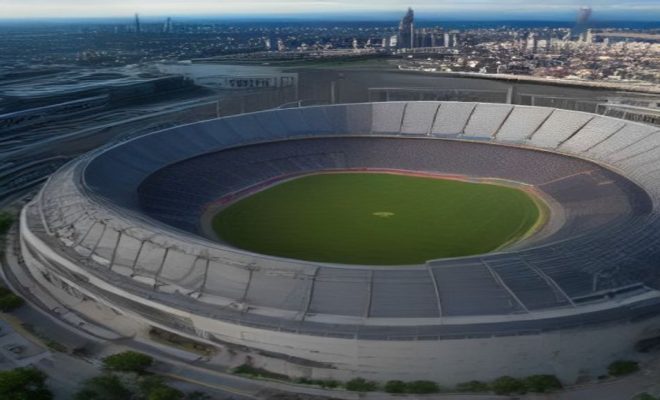
The Buffalo Bills faithful are known for their unwavering loyalty, their passionate tailgates, and their ability to brave the harshest winter weather. They’ve stood by their team through thick and thin, dreaming of a Super Bowl victory and a state-of-the-art home to match their dedication. So, when the wraps came off the brand-new, $2.1 billion Highmark Stadium, expectations were sky-high. This was supposed to be a monumental achievement, a shining beacon for the franchise and the city. Instead, an early preseason event on August 8, 2026, unleashed a wave of fury and disbelief, exposing a monumental Buffalo Bills stadium design flaw that has left fans utterly bewildered.
Imagine shelling out hundreds, even thousands, for tickets to see your beloved Bills play in their gleaming new arena, only to find your view of the action severely compromised. That’s precisely the nightmare scenario many fans encountered. Social media quickly became a firestorm of shared photos and videos, revealing numerous seats with glaringly obstructed views. Plexiglass barriers, imposing overhangs, thick railings, and even staircases were rudely blocking significant portions of the playing field, including crucial end zones. This isn’t just a minor inconvenience; it’s a fundamental failure in stadium design, especially for a facility boasting a $2.1 billion price tag. The outrage is palpable, and it raises serious questions about how such a basic, yet devastating, Buffalo Bills stadium design flaw could have slipped through the cracks.
1. The Price Tag vs. The Product: A $2.1 Billion Blunder?
Let’s start with the elephant in the room: two point one billion dollars. That’s not just a large sum; it’s an astronomical figure for a sports venue. When you invest that kind of capital, whether as a team owner, a public entity, or a fan contributing through taxes or future ticket purchases, you expect perfection. You anticipate a facility that sets new standards in comfort, technology, and, most critically, viewing experience. Anything less feels like a betrayal of that investment.
The sticker shock of the new Highmark Stadium was already a hot topic, with debates swirling around public funding and economic impact. But to then discover such rudimentary viewing problems, the kind you’d expect in an aging, poorly maintained ballpark, not a brand-new, cutting-edge arena, is simply astounding. It transforms a discussion about financial investment into a fierce debate about value for money. Fans aren’t just paying for a seat; they’re paying for an unobstructed connection to the game they love. When that connection is severed by a poorly placed beam or an opaque barrier, the perceived value plummets, and so does trust.
2. Social Media Eruption: The Digital Outcry
In today’s interconnected world, news travels at the speed of light, especially when it involves public outrage. The moment fans at the August 8, 2026, preseason event realized the extent of the viewing issues, their phones came out. Photos and videos, often accompanied by incredulous captions and angry emojis, flooded platforms like X (formerly Twitter), Instagram, and TikTok. These weren’t isolated incidents; the sheer volume of posts from different sections of the stadium painted a clear picture of a widespread problem.
The viral nature of this backlash amplified the issue exponentially. Each shared photo, each retweet, each comment fueled the fire, turning a local concern into a national talking point. It put immense pressure on the Bills organization, the stadium developers, and even local politicians. Social media effectively became a real-time audit of the stadium’s design, bypassing official channels and showcasing the raw, unfiltered disappointment of the fanbase. This digital outcry is a powerful force, and it’s making it impossible for anyone involved to ignore this glaring Buffalo Bills stadium design flaw.
3. The Obstructions: What Exactly is Blocking the View?
Let’s get specific about what’s causing all the grief. The reported obstructions aren’t just minor annoyances; they’re substantial visual barriers. Fans documented several recurring culprits:
- Plexiglass Barriers: While plexiglass is often used for safety, its placement in some sections appears to be at an unfortunate height or angle, cutting off lines of sight, particularly for those seated lower down or for children.
- Overhangs: In multi-tiered stadiums, overhangs are common, but they need to be meticulously designed to ensure they don’t block the view of the field, especially the end zones or high-flying kicks. It seems some of these overhangs extend too far or are too low.
- Railings: Safety railings are essential, but again, their design and placement are critical. Thick, opaque railings at eye level are a cardinal sin in stadium architecture, yet photos suggest this is happening in multiple sections.
- Staircases and Structural Elements: In some of the more egregious examples, entire staircases or other structural elements appear to be directly in the line of sight from certain seats. This is perhaps the most baffling obstruction, as it suggests a fundamental miscalculation in the initial architectural planning.
Each of these elements, while serving a purpose, becomes a significant Buffalo Bills stadium design flaw when it compromises the primary reason fans are there: to watch the game. It’s not just about a corner of the field being obscured; it’s about missing crucial plays, touchdowns, or field goals because of poor sightlines.
4. Emotional Investment: Fueling the Fan Fury
For many, being a Buffalo Bills fan isn’t just a hobby; it’s a core part of their identity. Sundays are sacred, tailgates are legendary, and the team represents a deep-seated connection to their community and heritage. This isn’t just about a sporting event; it’s about tradition, camaraderie, and hope. When that emotional investment is met with a tangible disappointment like an obstructed view in a brand-new stadium, the reaction isn’t just frustration—it’s genuine anger and a feeling of being let down. (See: Buffalo Bills stadium design flaw.)
Fans envision themselves cheering on their team, witnessing historic moments unfold before their eyes. They pay good money, they travel, they endure the elements. To have that experience diminished by a preventable design flaw feels like a slap in the face. It’s a breach of trust, especially given the narrative that this new stadium was meant to be a gift to the loyal fanbase, a symbol of future success. The deeper the emotional tie, the sharper the sting of this particular Buffalo Bills stadium design flaw.
5. The State-of-the-Art Paradox: How Could This Happen?
Here’s where the controversy truly deepens: how does a $2.1 billion, state-of-the-art facility, designed and built in the 21st century, end up with problems that plagued ballparks from a bygone era? We’re talking about a world where virtual reality tours, advanced 3D modeling, and sophisticated architectural software are standard tools. Architects and engineers can simulate every sightline, every structural element, and every potential obstruction long before a single shovel breaks ground.
This paradox is what makes the Buffalo Bills stadium design flaw so perplexing. It challenges the notion that higher cost equates to higher quality and more meticulous planning. Was there a rush to completion? Were corners cut in the design review process? Did the emphasis on aesthetics or other features overshadow the fundamental requirement of clear sightlines for all paying customers? These are the questions the public is demanding answers to, and they point to potential systemic failures in the project’s oversight and execution.
6. Economic Impact and Reputation: Beyond the Game
A stadium of this magnitude isn’t just about football; it’s a significant economic engine for the region. It generates jobs, attracts tourism, and boosts local businesses on game days. A major design flaw, however, can have ripple effects far beyond the immediate disappointment of fans. If the stadium gains a reputation for poor viewing experiences, it could impact future ticket sales, especially for less popular games or for non-NFL events that might seek to use the venue.
Moreover, the negative press and public outcry can damage the reputation of the involved construction companies, architectural firms, and even the Bills organization itself. In a highly competitive sports and entertainment market, a stadium’s functionality and fan experience are paramount. This Buffalo Bills stadium design flaw, if not adequately addressed, could become a lasting stain on what was intended to be a proud symbol of the community’s investment and future.
7. Potential Legal Ramifications: Consumer Rights and Contract Disputes
When fans pay for a ticket, they are entering into a contract for a service, which implicitly includes the expectation of a reasonable viewing experience. If a significant number of seats offer severely obstructed views, especially after assurances of a premium experience in a new facility, it opens the door to potential legal challenges. We’re talking about consumer rights issues and possibly even class-action lawsuits if the problem is widespread and unaddressed.
Beyond fan complaints, there could be legal implications for the entities involved in the stadium’s construction and design. Contracts for such massive projects typically include stringent performance clauses and design specifications. If the final product deviates significantly from these specifications, particularly in a way that impacts functionality and value, it could lead to contract disputes between the Bills organization, the public funding partners, and the construction/design firms. This Buffalo Bills stadium design flaw isn’t just an inconvenience; it’s a potential legal quagmire.
8. The Fix: What Happens Now?
The immediate question on everyone’s mind is: how will this be fixed? Rectifying a major design flaw in a completed, multi-billion-dollar structure is no small feat. Potential solutions range from the cosmetic to the structural, each with its own set of challenges and costs:
- Relocation or Removal of Obstructions: Can plexiglass barriers be reconfigured or replaced with more transparent materials? Can railings be redesigned or lowered? This might be feasible for some issues but difficult for structural elements.
- Seat Reclassification/Refunds: The simplest, though perhaps least satisfying, solution might be to reclassify obstructed view seats, significantly lowering their price, or offering refunds/credits to affected season ticket holders. This, however, doesn’t solve the fundamental problem of having unusable seats.
- Minor Structural Modifications: In some cases, minor adjustments to overhangs or other elements might be possible, but these are often complex and costly after construction is complete.
- Digital Enhancements: Could large, strategically placed screens be installed to provide alternative views for those in obstructed seats? While a band-aid solution, it might mitigate some of the frustration.
Any significant modification will be expensive and disruptive. The cost of rectifying this Buffalo Bills stadium design flaw will likely add to the already massive budget, and who bears that cost will be another contentious issue. The integrity of the new Highmark Stadium, and the satisfaction of its fans, now hinges on how effectively and transparently these issues are addressed.
9. Lessons for Future Stadium Projects: A Costly Reminder
The Buffalo Bills stadium design flaw serves as a stark and costly reminder for all future major sports venue projects. In an era where every dollar is scrutinized and fan experience is paramount, meticulous planning and rigorous quality control are non-negotiable. This incident highlights several key takeaways: (See: impact of stadium design on fans.)
- Early and Extensive Sightline Analysis: Employing advanced 3D modeling and virtual reality walkthroughs should be standard practice, with particular attention paid to every single seat, not just general sections.
- Fan Feedback Integration: Perhaps mock-up sections or even early access events with a critical eye for sightlines could have caught these issues before final construction. Engaging a diverse group of fans in the design review process could be invaluable.
- Independent Oversight: Beyond the design and construction teams, an independent third-party review of critical elements like sightlines and accessibility might be a wise investment for future projects.
- Prioritizing Core Functionality: While amenities and aesthetics are important, the primary function of a stadium is to provide an excellent view of the game. This fundamental requirement must never be overshadowed.
The fallout from this Buffalo Bills stadium design flaw is a wake-up call for the entire industry. It underscores that even with billions of dollars and cutting-edge technology, fundamental design principles cannot be overlooked. For the Bills Mafia, they just want to see their team play, clearly and without obstruction, in the home they’ve waited so long for. Let’s hope the necessary steps are taken to ensure this architectural misstep doesn’t become a permanent blight on their new domain.
10. The Role of Public Funding and Accountability: Whose Money Is It Anyway?
The funding model for the new Highmark Stadium is a mix of private and public investment, with significant contributions from New York State and Erie County. When public funds are involved, the expectation of accountability reaches another level. Taxpayers, who are ultimately contributing to this project, have a right to demand a functional and well-designed facility. The Buffalo Bills stadium design flaw, therefore, isn’t just a problem for the team; it’s a problem for the public officials who approved the funding and vouched for the project’s quality.
This situation brings to the forefront critical questions about oversight committees, feasibility studies, and the contractual obligations of the entities receiving public money. Were there specific clauses in the funding agreements that addressed sightline quality or fan experience metrics? What mechanisms are in place to hold the designers and builders accountable for delivering a product that doesn’t meet basic expectations, especially when public money is at stake? The answers to these questions will determine not only how this specific issue is resolved but also how future public-private partnerships for large infrastructure projects are structured and scrutinized.
11. Comparison to Other Modern Stadiums: A Troubling Anomaly
To truly understand the severity of the Buffalo Bills stadium design flaw, it’s helpful to compare Highmark Stadium to other recently built or renovated NFL venues. Take SoFi Stadium in Los Angeles, Allegiant Stadium in Las Vegas, or even the renovations at Lambeau Field. These stadiums, while varying in cost and scale, generally showcase a commitment to excellent sightlines from almost every seat. Architects and urban planners have spent decades refining stadium design to minimize obstructions and maximize the fan experience.
For a new stadium in 2026 to exhibit problems reminiscent of venues from the early 20th century is a troubling anomaly. It raises concerns that the design team either overlooked fundamental principles, faced unforeseen challenges that weren’t adequately addressed, or perhaps prioritized other design elements over clear views. This comparison highlights that the issues at Highmark Stadium aren’t simply unavoidable consequences of modern stadium construction; they appear to be a specific failure in this particular project’s execution, contrasting sharply with industry best practices.
12. Expert Perspectives: What Architects and Engineers Say
When a major design flaw surfaces in a project of this scale, it’s common for experts in architecture, engineering, and stadium development to weigh in. Many experienced professionals in the field would likely point to several potential breakdowns in the process. For instance, a common practice is to perform rigorous “sightline studies” using computer models and even physical mock-ups to ensure every seat offers an acceptable view. The fact that numerous obstructions were missed suggests either these studies weren’t conducted thoroughly, or their findings were disregarded.
Structural engineers might question the integration of architectural vision with practical construction realities. Sometimes, aesthetic choices or structural necessities can inadvertently create sightline issues if not carefully coordinated. Project managers might also highlight pressures related to budget, timeline, or design changes during construction that could lead to compromises. An expert perspective would emphasize that preventing such a widespread Buffalo Bills stadium design flaw requires constant communication, meticulous review at every stage, and a clear understanding of the fan experience as the ultimate goal.
Frequently Asked Questions About the Buffalo Bills Stadium Design Flaw
Q1: What exactly is the Buffalo Bills stadium design flaw?
A1: The primary design flaw refers to numerous seats in the new Highmark Stadium that suffer from severely obstructed views of the playing field. These obstructions include poorly placed plexiglass barriers, low-hanging overhangs, thick safety railings, and even structural elements like staircases, blocking significant portions of the action, particularly in the end zones.
Q2: When was this design flaw discovered?
A2: The design flaw became widely apparent during an early preseason event on August 8, 2026. Fans attending this event quickly took to social media to share photos and videos of their compromised views, leading to widespread public outcry. (See: stadium design and fan experience.)
Q3: How much did the new Highmark Stadium cost?
A3: The new Highmark Stadium has a reported price tag of $2.1 billion. This astronomical cost contributes significantly to the fan outrage, as such an investment implies a flawless, state-of-the-art viewing experience.
Q4: Who is responsible for the stadium’s design and construction?
A4: While specific names of architectural firms, construction companies, and oversight committees would be part of the project’s public record, typically, large stadium projects involve a consortium of design, engineering, and construction firms, working in conjunction with the team ownership and public funding partners.
Q5: What are the potential solutions to fix the obstructed views?
A5: Potential solutions range from reconfiguring or replacing physical obstructions like plexiglass and railings, to minor structural adjustments for overhangs. Other options might include reclassifying affected seats with lower prices or offering refunds, or even installing supplementary digital screens to provide alternate views. The feasibility and cost of these solutions vary greatly.
Q6: Could this lead to legal action?
A6: Yes, there are potential legal ramifications. Fans who purchased tickets expecting a clear view could pursue consumer rights claims or even class-action lawsuits. Additionally, the Bills organization and public funding partners might have grounds for contract disputes with the design and construction firms if the stadium deviates from agreed-upon specifications.
Q7: How does this flaw compare to other modern NFL stadiums?
A7: The widespread nature of these obstructed views is a troubling anomaly when compared to most modern NFL stadiums. Contemporary stadium design prioritizes clear sightlines from virtually every seat, utilizing advanced 3D modeling and virtual reality to prevent such issues. The Highmark Stadium flaw appears to be a specific failure in this project’s execution, rather than a common issue in new venues.
Q8: What impact could this have on the stadium’s reputation and economic viability?
A8: A significant design flaw like this can severely damage the stadium’s reputation, potentially impacting future ticket sales for both NFL games and other events. Negative press and fan dissatisfaction could also harm the reputations of the involved design and construction firms, and even the Bills organization itself, affecting long-term economic projections for the venue and the surrounding area.
Trending Now
Frequently Asked Questions
What is the design flaw in the new Buffalo Bills stadium?
The design flaw in the new $2.1 billion Highmark Stadium involves numerous seats having obstructed views due to plexiglass barriers, overhangs, and railings, which block significant portions of the playing field, including crucial end zones.
How much did the Buffalo Bills stadium cost?
The new Buffalo Bills stadium, known as Highmark Stadium, cost an astonishing $2.1 billion, making it one of the most expensive sports venues in history.
Why are fans upset about the new stadium?
Fans are upset because many experienced severely obstructed views during an early preseason event, which they feel is unacceptable for a facility with such a high price tag.
What issues did fans report at the Buffalo Bills stadium?
Fans reported issues with obstructed views from their seats, which were blocked by various structural elements like railings and overhangs, causing frustration among those who paid significant amounts for tickets.
How did social media react to the stadium's design flaw?
Social media erupted with outrage as fans shared photos and videos highlighting the obstructed views at Highmark Stadium, leading to widespread disbelief and criticism of the stadium's design.
What did we miss? Let us know in the comments and join the conversation.