Travel Trends Shift as Tourists Flock to Greece, Spain, and Beyond Amid Flight Cancellations
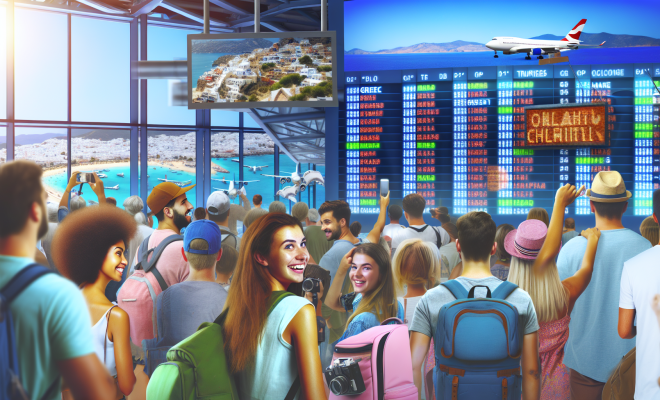
The global tourism landscape is witnessing a remarkable transformation as travelers pivot towards popular destinations like Greece, Spain, Vietnam, Thailand, the USA, and the UK. This surge in tourism is occurring in the wake of significant flight cancellations by major airlines, including Emirates, Qatar Airways, Lufthansa, and Air India, due to ongoing disruptions in the Middle East airspace.
Understanding the Shift in Travel Dynamics
Recent geopolitical tensions have led to a series of airspace restrictions in the Middle East, prompting international airlines to cancel numerous flights. This disruption has caused travelers to look for alternative vacation spots that are not only safe but also appealing. The result has been a pronounced uptick in tourism to various regions, particularly in Europe and Asia.
Popular Destinations on the Rise
- Greece: Known for its stunning islands, rich history, and vibrant culture, Greece has seen a notable increase in tourist arrivals. The summer season has been particularly strong, with visitors flocking to popular destinations like Santorini and Mykonos.
- Spain: With its diverse landscapes and culinary delights, Spain remains a favorite among travelers. Cities like Barcelona and Madrid are experiencing a renaissance of tourism, aided by favorable travel conditions.
- Vietnam: As Southeast Asia grows in popularity, Vietnam stands out with its unique blend of culture, history, and natural beauty. The influx of tourists is contributing to a booming hospitality sector.
- Thailand: Known for its breathtaking beaches and vibrant cities, Thailand continues to attract visitors from all over the world, solidifying its status as a leading travel destination.
- USA: The United States is witnessing a resurgence in domestic and international travel, with tourists eager to explore its national parks, iconic cities, and cultural landmarks.
- UK: The UK is seeing a revival in tourism, with attractions like London’s West End and the historic sites of Edinburgh drawing in visitors.
Impact of Flight Cancellations
The cancellation of flights by airlines such as Emirates, Qatar Airways, Lufthansa, and Air India is rooted in the complexities of Middle Eastern airspace management. These airlines have had to navigate a landscape fraught with uncertainty, leading to operational disruptions that directly affect travelers.
Such cancellations not only inconvenience passengers but also create a ripple effect throughout the global aviation network. Travelers who had planned to fly through the Middle East are now seeking alternative routes and destinations, resulting in a notable shift in travel trends.
Emerging Tourism Markets
In addition to established destinations, the current situation is also paving the way for emerging tourism markets to gain traction. Travelers are increasingly exploring lesser-known locales that offer unique experiences, often at lower costs compared to traditional hotspots. This trend is seen as a positive development for developing tourism economies, which can benefit from increased visitor spending.
Regions that were previously overshadowed by more popular destinations are now harnessing this opportunity to promote their offerings. By investing in infrastructure and marketing, these areas are positioning themselves as viable alternatives for travelers seeking new adventures.
The Broader Implications for Travel
The ongoing situation highlights the profound impact that geopolitical tensions can have on global travel patterns. As airlines adjust to new realities, the travel industry must be adaptable to changing circumstances.
Tour operators, travel agencies, and destinations are likely to reassess their marketing strategies in light of these developments. The focus may shift towards promoting safety, cultural richness, and unique experiences to attract travelers looking for alternatives.
Conclusion
The surge in tourism to countries like Greece, Spain, Vietnam, Thailand, the USA, and the UK underscores the resilience of the travel industry. While the airspace disruptions in the Middle East have posed challenges, they have also opened up new avenues for exploration and growth in the global tourism sector.
As travelers continue to seek out safe and exciting destinations, the landscape of international travel will undoubtedly continue to evolve, reflecting not only the preferences of tourists but also the broader geopolitical context in which they operate.